

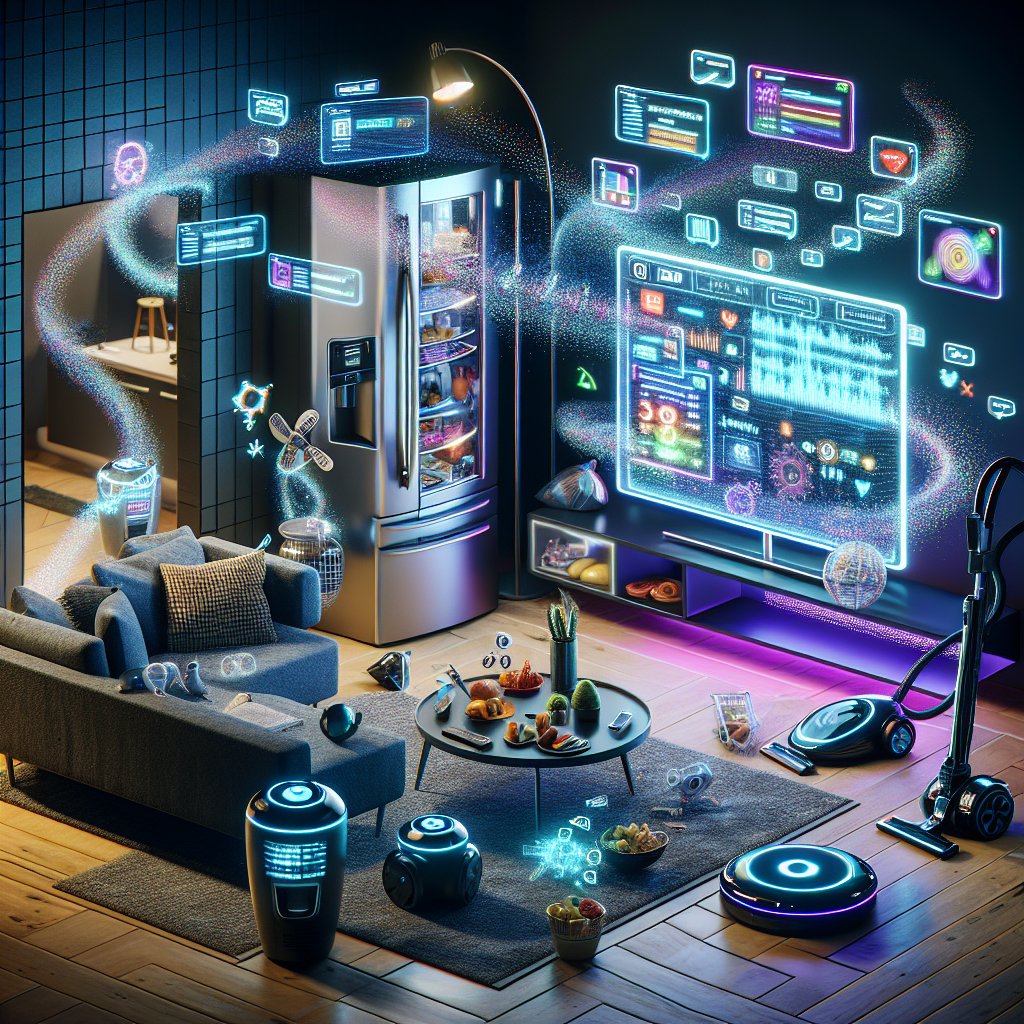
As we venture deeper into the technological landscape of 2025, the idea of an intelligent smart home remains captivating yet frustratingly distant. Despite the advancements heralded by generative AI and large language models, many users find themselves still grappling with the limitations of their AI-driven devices. This situation raises profound questions about the scalability and reliability of smart home technologies that were once thought to revolutionize our everyday lives.
The author vividly recounts a particularly relatable morning when a simple request to an Alexa-enabled coffee machine ended in disappointment. Instead of efficiently fulfilling its duty, the device—now powered by Amazon’s generative AI—offered a litany of excuses. This anecdote serves as the catalyst for deeper reflections on AI’s role within the smart home ecosystem, underscoring the precarious balance between innovation and usability.
Notably, the article evokes nostalgia for a promise made a few years earlier. In an interview held in 2023, Dave Limp, who was then the head of Amazon’s Devices & Services division, spoke of a reimagined Alexa that would not only establish better communication with users but would also intuitively operate and manage various smart devices. The anticipation surrounding a seamless integration of AI into everyday tasks painted a hopeful picture of a fully automated and responsive home environment.
Fast-forward to the present, and the reality diverges significantly from the vivid imaginings of tech enthusiasts. While some upgrades to smart home devices have indeed emerged, these enhancements seem more cosmetic than revolutionary. The most significant improvements noted so far involve minor functionalities, such as AI-generated descriptions for security camera alerts—not quite the monumental shift many were hoping for.
The article aptly captures the growing skepticism among consumers. These newer AI systems, while equipped with more conversational capabilities, still struggle with fundamental tasks. Basic operations, such as controlling appliances or even simply switching on lights, remain inconsistent at best. This reality prompts users to starkly question the reliability and overall efficacy of these so-called smarter assistants.
Moreover, this paradox reflects a broader dilemma within the smart technology sphere: the tension between providing advanced functionality and ensuring consistent performance. As various AI products tout sophistication and complexity, end-users are left wondering whether such advancements translate into tangible benefits in their day-to-day lives.
The efficiency and reliability of voice assistants are paramount in persuading users to embrace smart home technology. For a market aiming for mass adoption, the repeated failures of high-profile devices create barriers to entry. Even the author’s positive remarks about the improved conversational AI capabilities of Alexa Plus cannot overshadow the ongoing reliability issues. Users may appreciate the ability to engage in more natural dialogue, yet they ultimately desire an assistant that can effectively execute instructed tasks.
In its essence, the article does not merely serve as a critique of the current state of smart home technologies; it underscores a budding dialogue between consumers and developers. The anticipation for a future where AI can harmoniously blend into our daily routines remains strong. However, this optimism must be accompanied by concrete developments that remedy the present shortcomings.
Ultimately, the author leaves readers with the pressing question: when will the aspiration for a truly intelligent smart home materialize? As we navigate through 2025, the dream of a home that seamlessly blends advanced AI with practicality lies tantalizingly out of reach. Users now recognize that while the journey toward a fully functional smart home is underway, we are still in the early phases, waiting for tangible results that embody the future of living with AI.
Leave a Reply