

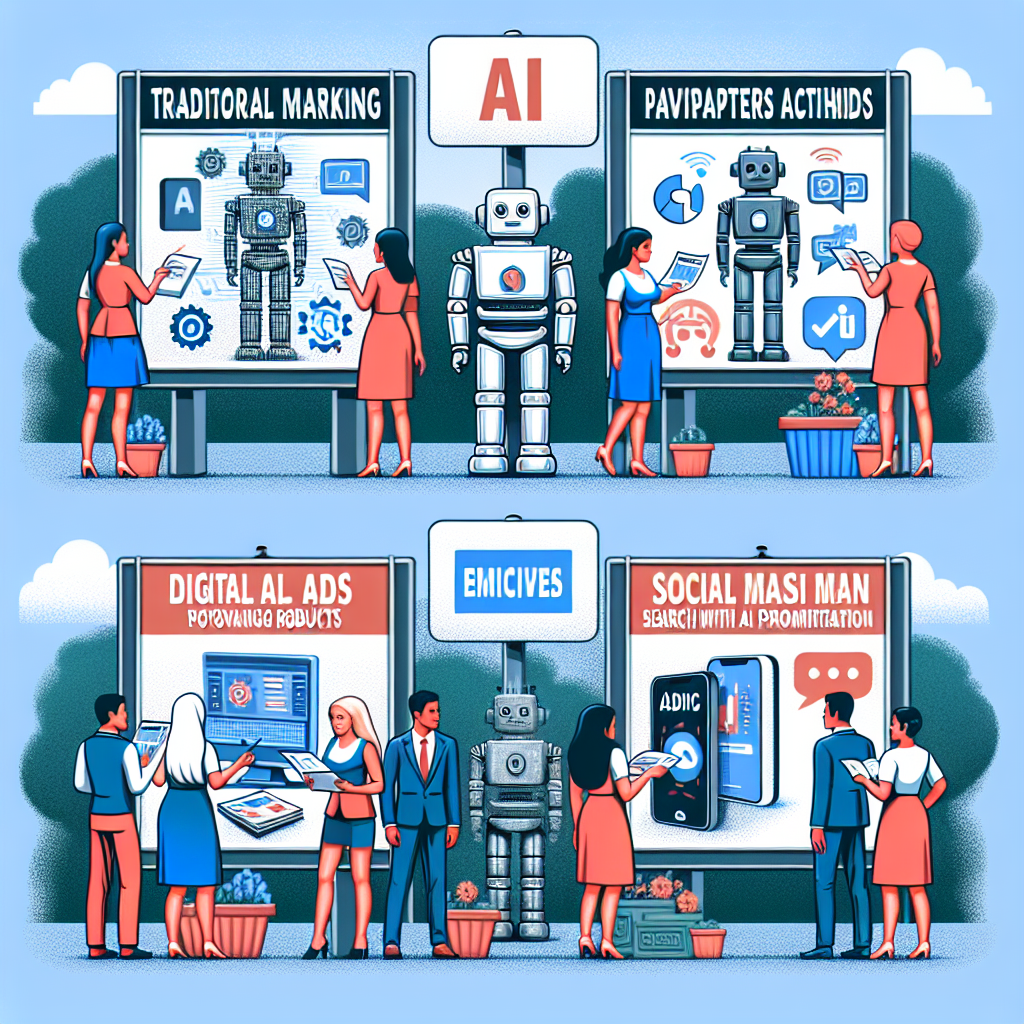
The rapid growth of the AI industry surpasses any previous technological advancement, but surprisingly, many AI companies face significant challenges in attracting users to their innovative products. The issue, however, is not the quality of the technology itself; rather, it lies in the marketing strategies currently employed.
Traditional advertising methods that have proven effective for consumer applications, Software as a Service (SaaS) tools, and e-commerce platforms fall flat in the realm of AI products. Common approaches such as banner ads often go unnoticed, social media campaigns do not yield desired conversions, and search engine advertising becomes costly with little return on investment.
For entrepreneurs and companies developing AI products, the experience can feel like tossing money into a void—many find themselves in the same predicament. This highlights a critical reality: the rules of marketing have evolved, leaving a considerable gap between AI innovations and effective promotional strategies.
The Core Problem: Traditional Ads Don’t Reach AI Users
A fundamental mismatch exists when it comes to the behavior of AI users compared to typical internet users. Traditional marketing approaches presume that users are actively browsing the web in search of solutions. However, AI users engage in a drastically different manner—they converse, ask questions, and delve into ideas through dialogue.
Your prospective customers are currently engaged in countless discussions with advanced AI interfaces like ChatGPT, Claude, and Gemini, as well as with a multitude of independent AI chatbots. Unfortunately, traditional advertising channels fail to penetrate these conversations. Your banner ad won’t pop up in a ChatGPT dialogue, nor will your Google ad reach someone who requests suggestions from an AI assistant. Conventional social media campaigns fall flat when they interrupt engaging discussions between users and their AI tools.
This creates a sizable disconnect: your ideal customers are actively searching for solutions, but they are doing so in environments where your advertisements have no presence.
Why Traditional Marketing Channels Miss the Mark
The assumption underlying traditional marketing strategies is that users navigate the internet in somewhat predictable patterns. They visit websites, scroll through social media feeds, search for keywords, and click on links. All major advertising platforms—such as Google Ads, Facebook Ads, and display networks—are designed around these behaviors.
However, AI users have shattered this conventional user journey. They now invest significant time interacting with conversational interfaces, obtaining recommendations from AI rather than from search engines, and discovering new tools through AI-driven suggestions rather than through passive ads. This shift has transformed the user journey:
- Traditional User Journey: Google search → Website → Ad click → Conversion
- AI User Journey: AI conversation → Direct question → Immediate recommendation → Conversion
The discrepancies are profound, with traditional marketing requiring multiple touchpoints for conversion compared to the single conversation point that AI users experience. This also results in higher acquisition costs for traditional advertising versus the more efficient spending opportunities available through properly targeted AI interactions.
High Costs, Low Returns
Implementing traditional advertising strategies for AI products comes at a higher cost than is often justified due to various factors. The primary concern is competition; numerous AI companies are vying for the same keywords on platforms like Google Ads. Popular terms such as “AI writing tool” or “chatbot platform” can command prices ranging from $10 to $50 per click, and a significant fraction of these interactions may not convert, as users are merely in the research phase and not ready to make purchases.
In addition, poor targeting compounds the challenges experienced by AI marketers. The inability to reach potential customers through effective channels leaves traditional marketing efforts falling short in terms of engagement and return on investment.
In summary, the AI landscape presents unique challenges for marketers accustomed to conventional strategies. The transition from traditional marketing methods to innovative approaches that resonate with AI users is not just advisable—it is essential for success in this increasingly competitive field.
Leave a Reply