

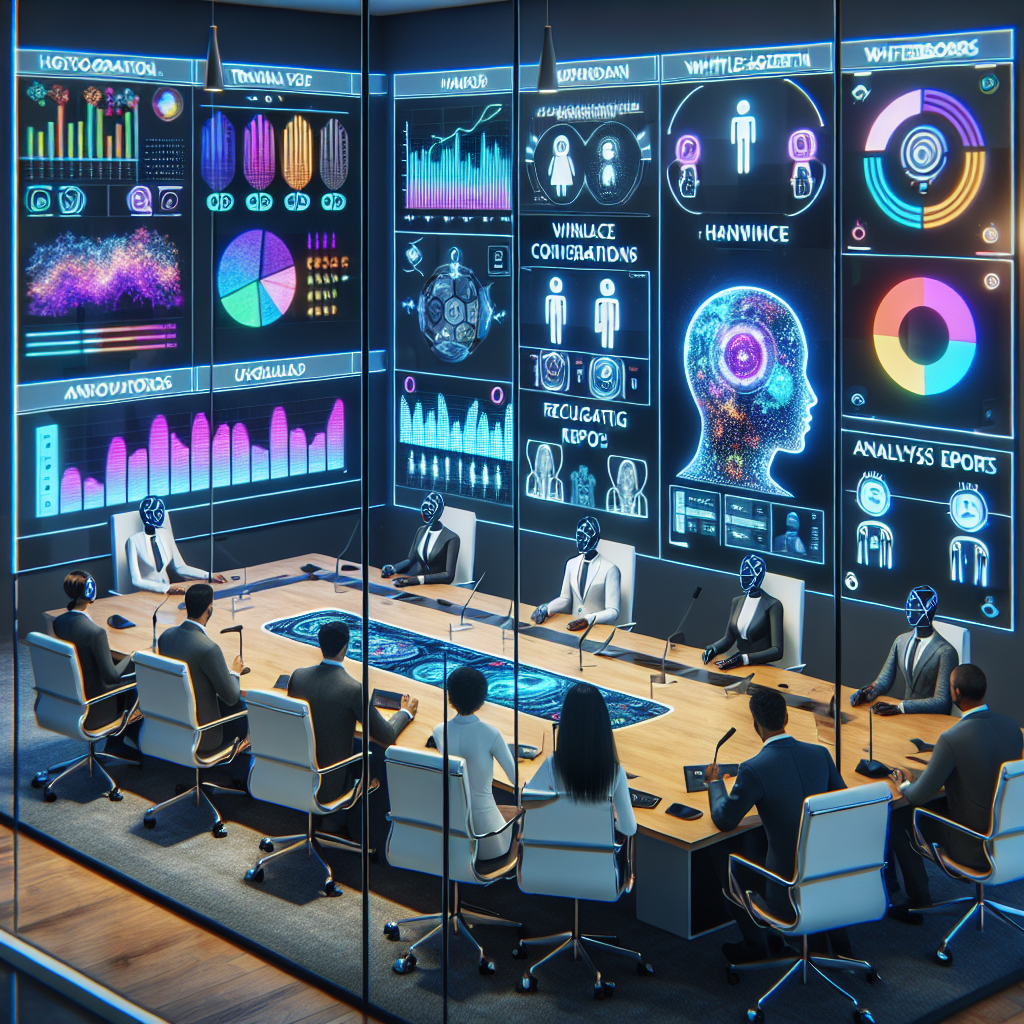
The landscape of business meetings has undergone a seismic shift in recent years. It’s no longer just a collection of linked conversations where ideas are noted and lost in the haze of human interaction.
In 2026, the tools we use to manage these interactions have become more sophisticated, elegant, and above all, functional. Imagine a scene not so different from the chaotic meetings of years past—except now artificial intelligence plays a crucial role in transforming how we communicate and recall vital information.
We’ve all felt the weight of interruptions during meetings when someone references a decision made weeks earlier, leaving the room scrambling through emails and messages to retrieve key information. This past scenario often led to what seemed like productivity black holes—the lengthy, aimless meetings where everyone walked away with different impressions of what had transpired.
As we venture further into 2026, we are witnessing the ascendance of AI tools that change the “meeting vibe,” departing from the dreary “bot fatigue” of previous years. Today’s meeting assistants act as unobtrusive yet indispensable members of the team, streamlining processes by managing the administrative burdens that previously took attention away from genuine conversation.
The Rise of the Invisible Assistant
In previous years, the introduction of a bot into a meeting was often met with apprehension. People felt the sudden scrutiny brought on by an AI presence. But as we now embrace 2026, the best technology is that which is wholly unnoticeable. The emergence of software that seamlessly captures system audio allows for flawless transcripts and organized notes without any visible digital presence monitoring participants in the meeting.
When the tech fades into the background, the conversations come to life, creating an atmosphere that encourages openness. Participants can engage in meaningful discussions—be it in high-stakes board meetings or personal one-on-one interactions—without the cognitive load of knowing an AI is observing and recording their words.
Intelligence Beyond the Transcript
The hallmark of 2026 is the introduction of Long-Term Memory within meeting assistant tools. Early models failed to build upon past conversations, often treating each meeting as an isolated event. In contrast, the tools of today possess the capability to tap into historical data, lending a new depth to discussions.
With live transcription capabilities streaming in real time, participants are empowered to verify information and catch key details effortlessly, even if they briefly lose focus. Not only can one refer back to past discussions, but an AI assistant now has the acumen to flag recurring issues, track concerns brought up previously, and suggest insightful talking points drawn from a well of contextual knowledge.
This level of intelligence doesn’t just enhance communication within teams; it serves to streamline sales processes and leadership decisions by grounding them in data-supported discussions. Armed with this capability, one enters meetings not just with notes but armed with insights that are directly tailored to support meaningful dialogue.
In short, as we embrace these advanced AI tools, the fabric of business meetings in 2026 becomes a much richer tapestry. By shedding the burdens of administrative constraints and elevating conversation through seamless integration of AI, professionals can focus on what truly matters: the quality of the exchange.
To maintain your competitive edge in this evolving landscape, leveraging the best available tools will be crucial. As we move forward, the question is not just how we utilize AI but also how we integrate its capabilities to foster better interactions, clearer understandings, and ultimately, smarter decision-making. The future of meetings is brighter, more productive, and deeply ingrained with the support of AI.
Leave a Reply