

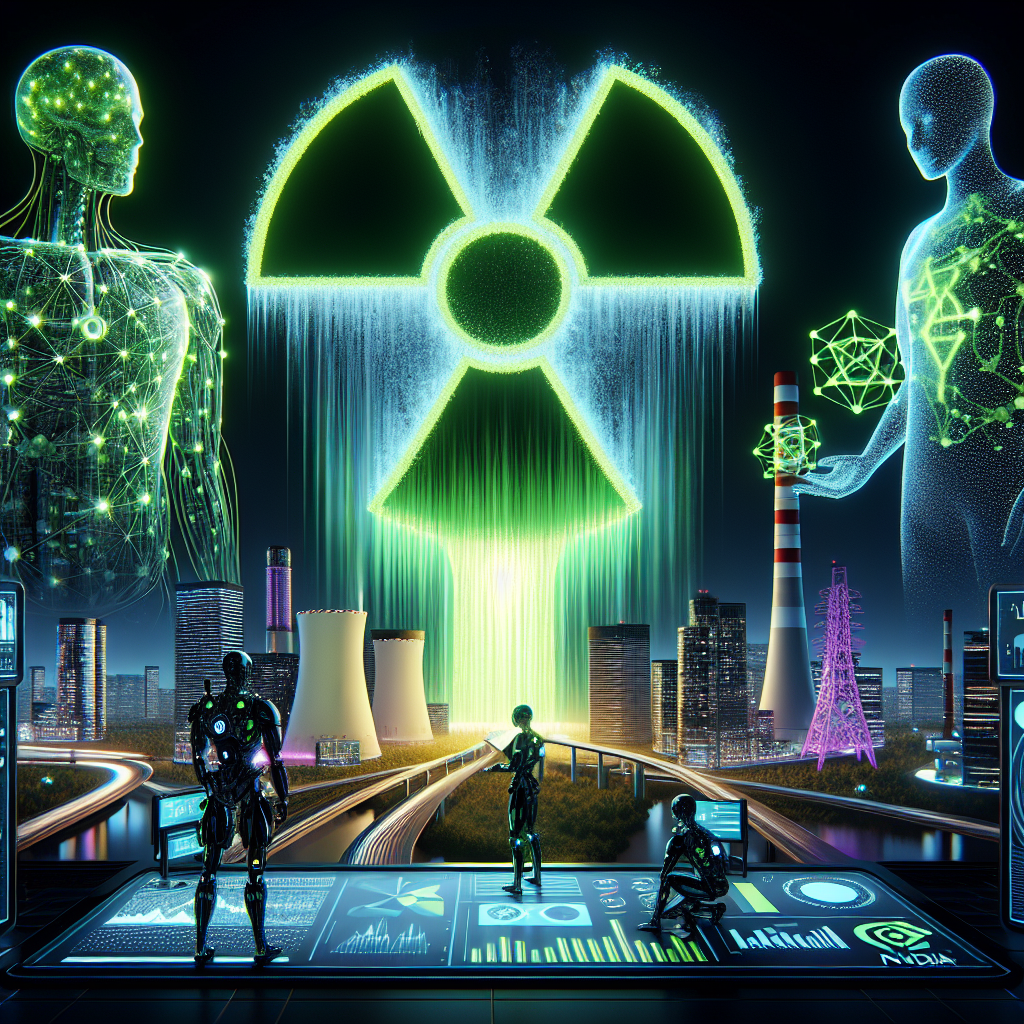
The collaboration between Microsoft and Nvidia represents a pivotal move in addressing the extensive delays faced by the nuclear power industry. As the global energy sector grapples with an unprecedented surge in power demand, the capabilities of AI emerge as a critical solution to streamline processes and enhance efficiency.
At the crux of the issue lies the complexity of nuclear power project execution. Customized engineering requirements, along with fragmented data sets, create challenges that inhibit timely deliveries. Engineers currently invest thousands of hours in meticulously drafting and reviewing vast documentation, making these projects vulnerable to inefficiencies that can lead to costly overruns.
By leveraging AI tools, Microsoft and Nvidia aim to tackle these delivery bottlenecks effectively. High-fidelity digital twins and AI-driven simulations will enable engineers to validate designs in a virtual environment, allowing for the reuse of proven engineering patterns. This proactive approach not only expedites project timelines but also ensures that inconsistencies are detected at an early planning stage.
Generative AI also plays a transformative role in automating critical documentation workflows. The time and resources spent on drafting, formatting, and cross-referencing can now shift towards evaluating safety measures and enhancing operational standards. According to Microsoft, this transition is vital in creating an infrastructure capable of meeting modern demands—a vision that emphasizes the need for reliability in nuclear energy as a backbone for power solutions.
“The world is racing to meet a historic surge in power demand with an infrastructure pipeline built for the analog age… Nuclear energy is the essential backbone for this future,” a Microsoft spokesperson asserted in a recent blog post. This sentiment captures the urgency and importance of innovation within the sector, setting a clear direction for future advancements.
Moreover, once nuclear plants are operational, the integration of AI-powered sensors and digital twins will continue to enhance performance monitoring. These technologies provide real-time visibility, enabling predictive maintenance and ensuring human operators can make informed decisions grounded in continuous data analysis. By linking design assumptions to operational performance, AI further fosters transparency among stakeholders, establishing a predictable environment that reduces overall risk.
Encouragingly, preliminary applications of these innovative tools by Southern Nuclear and the Idaho National Laboratory have illustrated their potential. By applying AI to streamline engineering and safety analysis reports, these organizations have achieved improved consistency and enhanced decision-making speed—a trend that could significantly reshape industry practices.
Ultimately, the collaboration between Microsoft and Nvidia signifies a critical step towards modernizing the nuclear power sector. As AI tackles the inherent complexities and inefficiencies current processes face, the industry can potentially overcome the delivery bottlenecks that have long hindered growth.
These advancements not only highlight the profound impact of AI within the energy sector but also point towards a future where nuclear power can play its rightful role in meeting the world’s escalating energy demands. As the drive for sustainable and reliable energy sources accelerates, innovations like these could serve as a model for revamping industries beyond nuclear energy.
Leave a Reply