

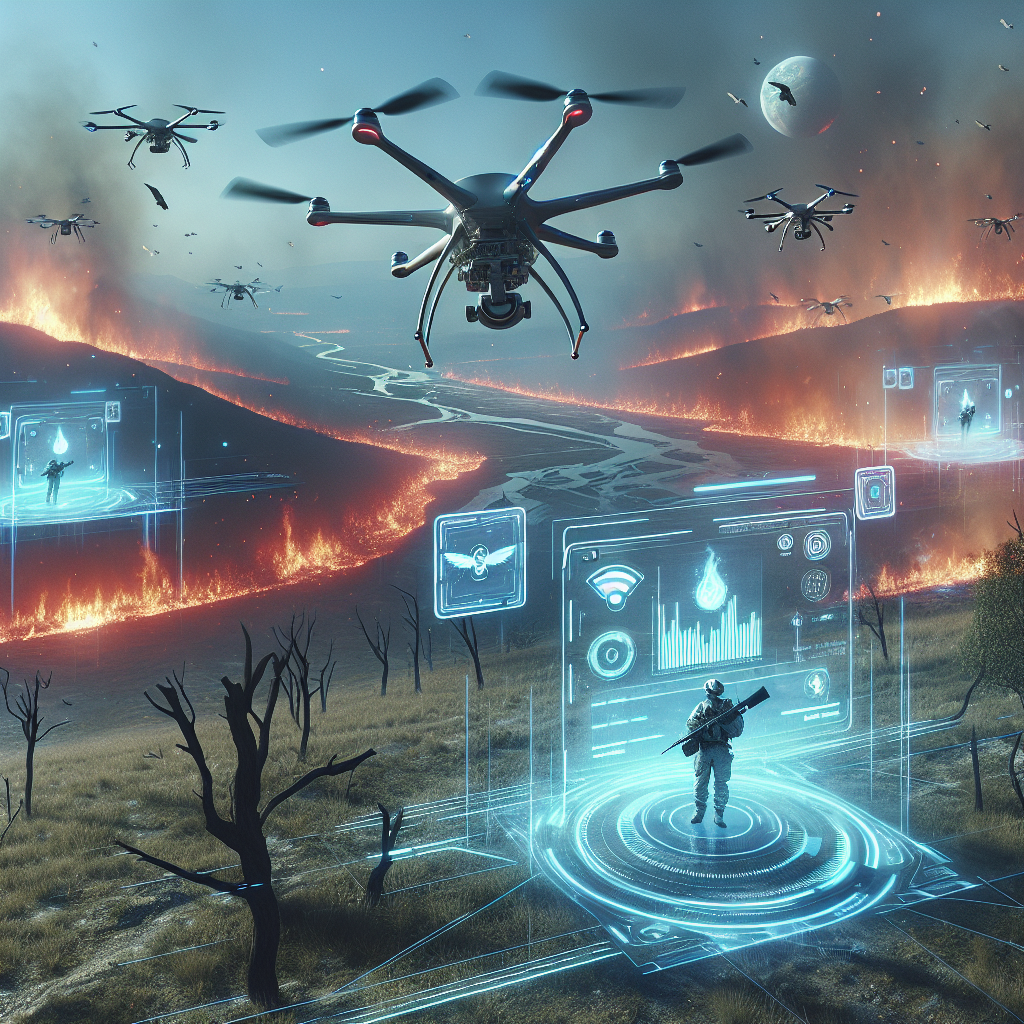
Wildfires, once considered a natural disaster we must simply endure, are entering a new era of response and management thanks to technological advancements. In the face of increasingly severe wildfire seasons, an influx of startups dedicated to combating these blazes is reshaping the landscape. More than 100 new wildfire-related technologies have emerged globally since 2023, emphasizing a newfound urgency to tackle these devastating events with innovative solutions.
The report from a leading source highlights various technological breakthroughs in wildfire detection and management. Among these innovations are unmanned lookout poles equipped with artificial intelligence capable of sensing smoke from significant distances. This proactive approach helps alert firefighters and resources before a small fire escalates into a larger catastrophe. The use of AI in these lookout systems represents not just an evolution in how we monitor wildfires, but a crucial shift in the timeframe for response.
Another groundbreaking advancement involves the use of military-grade drones. These swarms of drones are increasingly being deployed for real-time wildfire detection and management. Their ability to survey vast areas quickly and accurately enables faster detection of wildfires, which in turn leads to quicker interventions. This not only aids in controlling fires but also minimizes the detrimental effects on the environment and local communities.
Additionally, AI technology is being harnessed to track lightning strikes, which are known to ignite wildfires. By predicting potential hotspots for fire initiation through detailed data analysis of weather patterns and lightning activity, firefighting resources can be strategically deployed in advance, further enhancing their effectiveness.
This high-tech quest against wildfires illustrates a fundamental shift in how we perceive disaster management. The traditional approach often involved reacting to existing fires, but with the integration of cutting-edge technology, we are moving towards a preventative and predictive model. Reducing response times and improving detection accuracy are crucial steps in protecting lives, property, and ecosystems from the ever-looming threat of wildfires.
Moreover, the commercial implications of these developments are profound. With the growing frequency and intensity of wildfires attributed to climate change, municipalities and governments are increasingly investing in advanced firefighting technologies. This demand opens up numerous avenues for entrepreneurs and investors alike, guiding resources into the development of next-generation wildfire management solutions.
As we stand on the brink of a technological revolution in wildfire management, it becomes evident that these innovations are not merely gimmicks but essential tools in a broader environmental strategy. The race to develop effective strategies against wildfires is not just a competition among startups; it’s a collaboration between various sectors, from technology companies to government agencies and environmental organizations.
The social and environmental ramifications of effective wildfire management cannot be overstated. Communities that are better prepared with the latest technology stand to safeguard their resources, natural habitats, and, most importantly, the lives of individuals residing in vulnerable areas.
In conclusion, the emerging landscape of wildfire management shaped by drones, satellites, and artificial intelligence marks a critical turning point in our fight against these destructive blazes. By leveraging technology, we are not only enhancing our capabilities to manage existing fires but also taking proactive steps to prevent them before they begin. This evolution signifies a monumental shift in industry practices, prioritizing not just response but resilience against one of nature’s most formidable threats.
Leave a Reply