

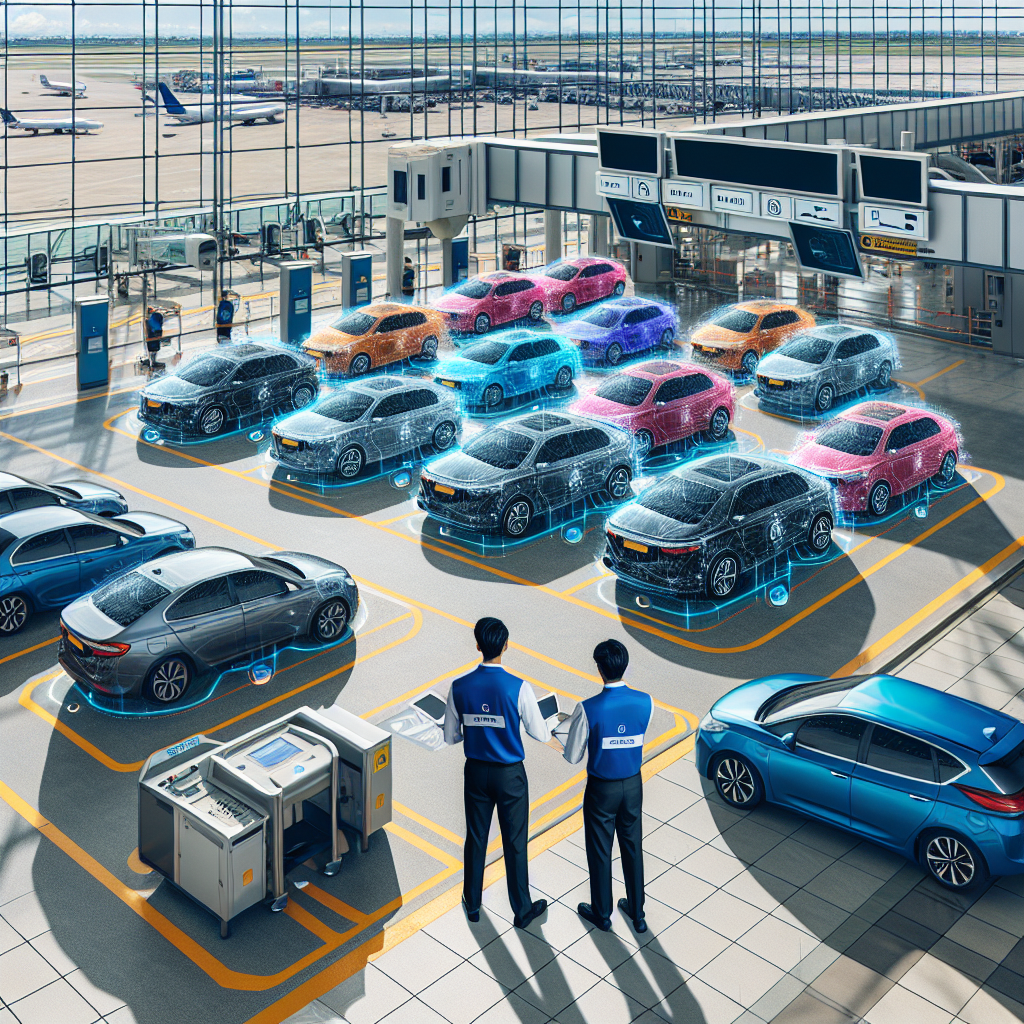
Hertz has made a significant move in revolutionizing the car rental experience by incorporating artificial intelligence (AI) technology at Tampa International Airport. This cutting-edge approach aims to enhance the accuracy and efficiency of vehicle inspections, specifically targeting potential damage on rental cars before they are handed over to customers.
The AI-powered 360-degree scanners utilized by Hertz are designed to detect a variety of issues, including dents, scratches, tire wear, and even undercarriage damage. Such precision not only streamlines the rental process but also addresses long-standing frustrations related to manual damage inspections. Traditionally, these inspections were rife with subjectivity and inconsistency, leading to concerns over erroneous charges for damages that may not have occurred during the rental period.
As Hertz continues to implement this technology, it sets a precedent that could influence the broader rental car industry. Other rental companies, such as Enterprise and Dollar, may follow suit, particularly in major travel hubs. The trend could even extend beyond vehicles, with hotel chains exploring similar AI tools. For instance, Hilton properties operated by 6PM Hospitality are experimenting with AI-powered sensors that monitor for smoke or vaping, which can automatically trigger fines.
According to Hertz, the integration of AI in the inspection process introduces essential elements of precision, objectivity, and transparency. In a statement, the company highlighted that the enhanced inspections could breed greater confidence among customers, ensuring they are not unfairly charged for pre-existing damages. This embrace of AI is timely, as the demand for seamless and trustworthy customer experiences continues to rise within the travel sector.
However, while the implementation of AI in inspections offers many advantages, it carries inherent risks. Experts warn that customers may still encounter issues, such as receiving fines for damage that they did not cause. As a precaution, renters are advised to document their vehicle thoroughly before and after use. Taking a video of the car’s condition and requesting a copy of the AI-generated inspection report can play a pivotal role in safeguarding against potential disputes.
This shift towards AI inspections could reshape customer expectations and operational standards in the rental car industry. With increasing consumer reliance on technology, companies that adapt and innovate stand to gain a competitive edge. The potential for AI systems to reduce wait times, enhance damage accountability, and improve overall customer satisfaction is poised to set new benchmarks within the travel sector.
In conclusion, Hertz’s initiative at Tampa International Airport is a landmark development in the intersection of AI and customer service. As technology continues to evolve, the implications for both consumers and service providers communicate significant opportunities for growth and improvement. This proactive approach to vehicle inspections not only enhances operational efficiency but could also serve as a catalyst for further technological adoption across the industry, redefining how customers interact with rental services in the future.
Leave a Reply