

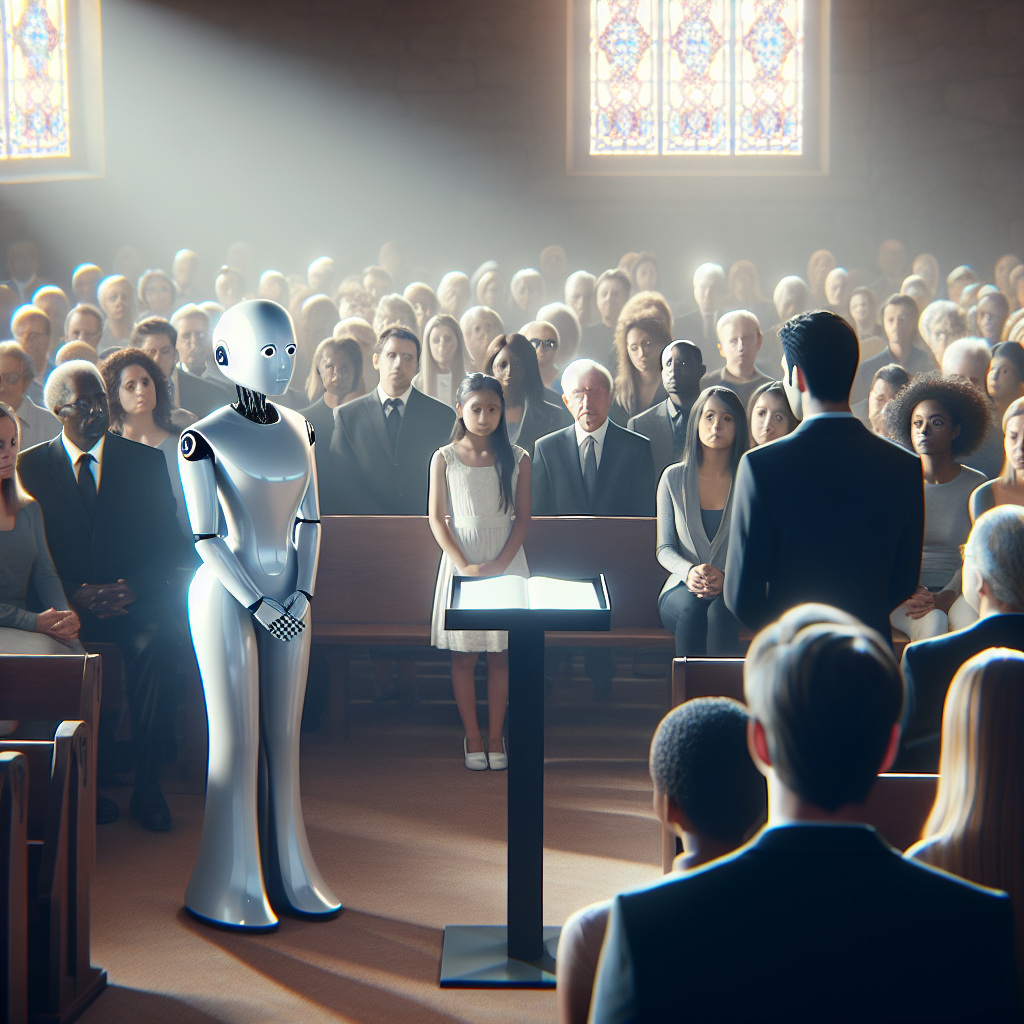
In an era where technology is increasingly intertwined with our daily lives, it seems fitting that it extends into the most poignant moments of our existence: the farewells we say to our loved ones. The advent of artificial intelligence (AI) has opened new avenues for grieving families, leading to a rise in the use of AI-generated eulogies. This innovative approach to honoring departed loved ones is starting to gain traction, showcasing how technology can bridge the gap between sorrow and celebration.
Many funeral directors, particularly in Ireland, have observed a growing trend of families turning to AI to assist in crafting personalized eulogies. These digital tributes allow those in mourning to articulate their feelings more eloquently, amidst the emotional turmoil that often accompanies the loss of a loved one. The use of AI for such a sensitive task may seem unconventional, but it reflects a broader shift in how technology can be utilized to enhance personal expression and memorial services.
The process often begins with families sharing memories, anecdotes, and attributes of the deceased with AI systems designed to generate text. The technology processes this input, producing a eulogy that resonates with the individual’s unique personality and the cherished moments they shared with family and friends. This creative outlet not only helps in easing the burden of crafting a speech during an emotional time but also enables families to preserve their loved one’s legacy in a meaningful way.
As this trend continues to evolve, funeral directors are being encouraged to educate themselves on the advantages and potential pitfalls of integrating AI into their services. A careful approach is necessary as families navigate through their feelings and the sentimental nature of preparing a eulogy. Guidance on the ethical considerations and emotional impacts surrounding AI-generated tributes will be critical as more families choose this modern approach.
This increase in AI utilization in the farewelling process poses questions about authenticity and emotional connection. While AI can generate impressive text, it lacks the inherent human touch that resonates deeply during such moments. Therefore, it becomes vital for users to remain mindful of how AI can complement rather than replace deeply personal expressions of sorrow and tribute.
Moreover, the use of AI in funeral services marks a progressive step in how society collectively approaches death and remembrance. As families become more comfortable with digital technologies, the need for human-like interfaces that provide assistance and support becomes ever more apparent. This progression not only enhances the funeral experience but also addresses the needs of a diverse population that may seek convenience without sacrificing authenticity.
Looking ahead, it will be interesting to observe how the industry adapts to this new demand. As more funeral homes begin to offer AI-generated eulogy services, a need for standards and best practices will emerge. Training for professionals in the funeral industry will likely shift towards understanding both the technology and its integration into the emotional landscape of memorial services.
This potential shift illustrates the broader implications of AI in sensitive fields, including healthcare, mental health, and end-of-life services. The challenge will be balancing technological advancement with the uncompromising need for human connection and empathy in sectors where emotions run high.
In conclusion, the use of AI to help compose eulogies brings forth a new dimension to how we express grief and celebrate lives. While it offers families an innovative tool for personal expression during their time of loss, it also calls upon society to contemplate the implications of integrating technology into deeply human experiences. As funeral directors and families explore these new possibilities, the goal remains clear: to honor the memory of loved ones in a way that is both personal and meaningful, ensuring their legacies endure through heartfelt tributes.
Leave a Reply