

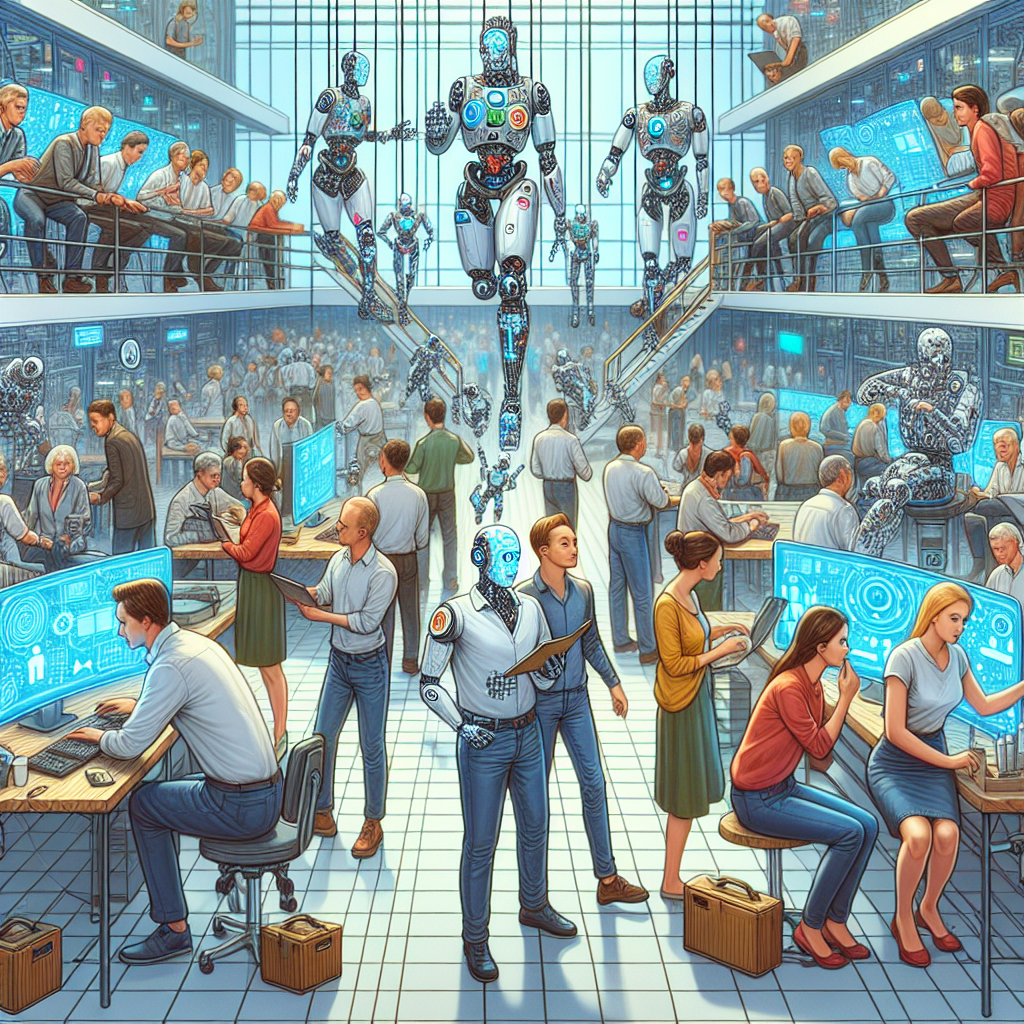
As artificial intelligence continues to permeate various sectors, a recent study highlights the growing presence of AI agents in the workplace, revealing both promises and challenges. Conducted by the HR software platform Workday, the survey involving nearly 3,000 business leaders worldwide uncovers a complex relationship with these technologies. While trust in AI agents is on the rise, it is notably selective for specific tasks, raising questions about their role in modern work environments.
The survey indicates that approximately 75% of business leaders are comfortable collaborating with AI agents. However, a significant divergence appears regarding authority; only 30% would feel at ease taking directives from these systems. The findings suggest that despite recognizing the potential for efficiency and productivity gains attributed to AI, hesitance lingers when it comes to ceding control over critical tasks.
Research from Stanford University corroborates these sentiments, showing that professionals are increasingly comfortable entrusting AI agents with menial responsibilities but draw a distinct line at more sensitive functions. This selective trust is indicative of the broader apprehension surrounding AI in workplaces, where the balance between leveraging technology and retaining human oversight is both crucial and contentious.
One key insight from the Workday survey is the correlation between familiarity and trust. Direct interactions with AI agents enhance employees’ confidence in their capabilities. This growing trust is essential since 90% of respondents acknowledged that AI could significantly enhance their productivity. However, they also expressed concerns that this dependence could lead to increased demands from management and a potential decline in critical thinking skills due to the diminishing need for personal judgment in decision-making.
This landscape creates a tension between business ambitions and employee apprehensions. Leaders are eager to adopt AI solutions to maximize efficiency and keep pace with competitors amid the ongoing AI revolution. Simultaneously, employees grapple with the implications of sharing key responsibilities with algorithms, prompting a reevaluation of workplace norms.
Casual use of AI agents appears to have a more pronounced acceptance, particularly for tasks like training and administrative functions. In contrast, high-stakes tasks such as hiring and legal responsibilities face considerable skepticism regarding AI involvement. This dichotomy calls for a nuanced understanding of where AI can genuinely add value without undermining essential human elements in critical operations.
As businesses navigate these changes, advisory companies like Workplace aim to guide organizations in adapting to the evolving AI landscape. Understanding the intricacies that AI introduces within workplace dynamics will be paramount for leaders seeking to foster a cooperative environment. The objective is to harness AI’s strengths while mitigating the risks that arise from dependence on technology.
This growing tension encapsulates the broader narrative of AI integration into everyday business. While AI agents can enhance productivity and streamline processes, they also challenge existing frameworks of trust, authority, and human interaction. Moving forward, it will be essential to strike a balance that accommodates technological benefits while preserving the fundamental human elements that drive creativity, collaboration, and critical thinking.
As the conversation surrounding AI continues to evolve, it remains imperative for leaders to foster transparent discussions around the implementation of AI agents. Addressing employee concerns openly and fostering an environment where humans and AI can coexist amicably will be vital in realizing the promised potential of AI technologies in the workplace.
Leave a Reply