

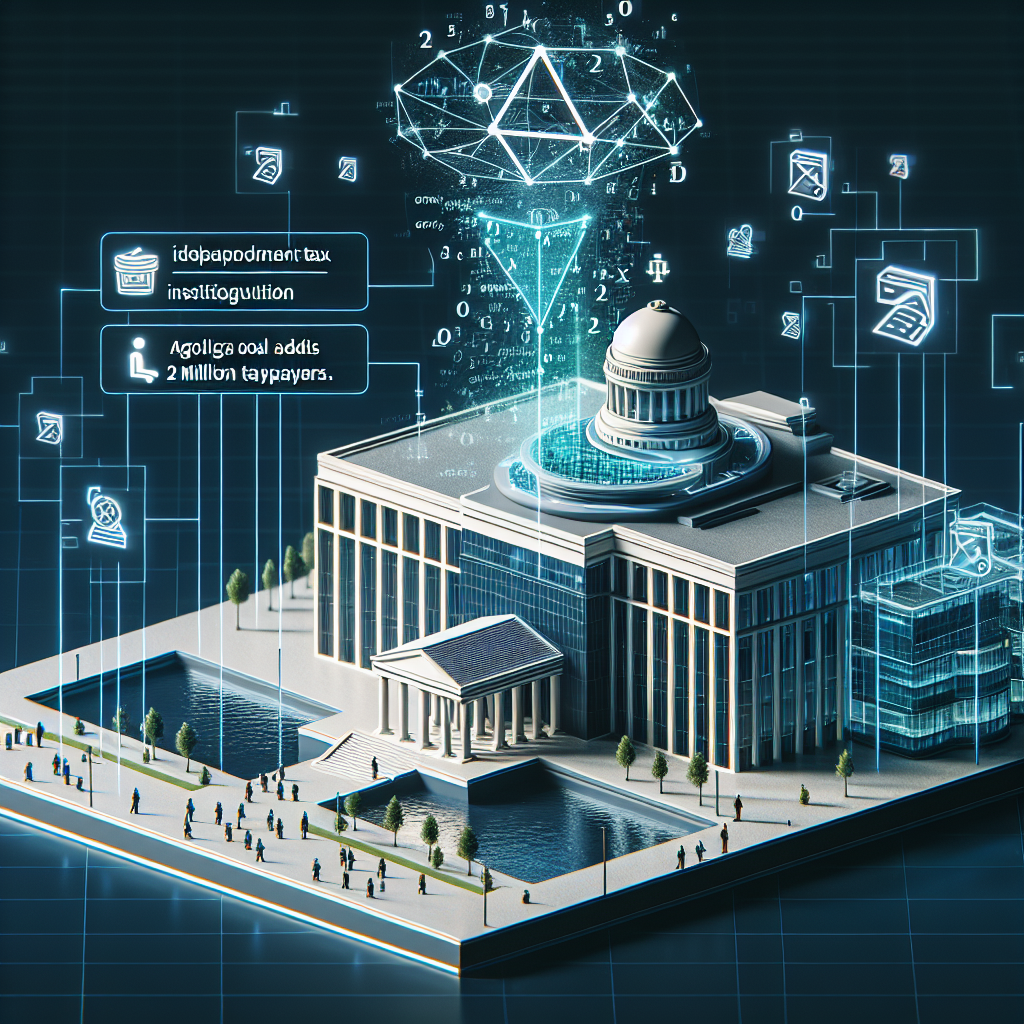
The implementation of artificial intelligence in tax collection by government agencies represents a significant shift in how taxation is approached, aiming to increase efficiency and broaden the tax base. A recent announcement detailed plans to deploy an AI algorithm specifically designed to identify and register an estimated 2.5 million potential taxpayers, individuals who currently operate outside the formal payroll system.
This initiative is particularly relevant for professionals such as doctors in private practice who may not have formal employment contracts, yet earn income comparable to their counterparts in established positions. The logic behind this endeavor rests on the principle that individuals within the same labor market—sharing similar education, skills, and living in the same areas—are likely generating similar income levels. By focusing efforts on these underrepresented groups, governments can not only enhance revenue collection but also create a more equitable tax system.
The AI algorithm in question aims to leverage existing data to pinpoint these individuals. The technology can analyze various indicators—such as residential address, professional networks, and economic activities—to create a profile of non-taxpayers who have the capacity to contribute to government finances. This strategy represents an intersection between advanced technology and public policy, showcasing how innovations in AI can have far-reaching implications for governance and economic development.
Furthermore, this move is part of broader efforts to modernize tax administration systems globally. As governments face increasing pressures to fund public services amid economic challenges, adopting AI technologies provides a pragmatic solution for tax compliance and enforcement. The shift towards digital infrastructure in tax collection could also streamline processes, reducing costs associated with traditional methods and improving accuracy in revenue estimates.
The anticipated 2.5 million new taxpayers could significantly impact government budgets, offering a potential increase in funding for essential services such as healthcare, education, and infrastructure. As these stakeholders are integrated into the tax system, they would be contributing their fair share while benefitting from the public services funded by this revenue. This model of inclusive economic participation could help foster a more invested citizenry, as individuals see the return on their contributions through enhanced public services.
However, the deployment of AI in tax collection also raises important considerations regarding privacy and data security. The collection and analysis of personal information necessitate robust safeguards to protect individuals’ rights and prevent misuse of data. Ensuring transparency in how data is utilized and providing avenues for recourse are crucial for maintaining public trust in these initiatives.
Additionally, while AI systems can identify potential tax liabilities, human oversight will remain critical in evaluating the accuracy of these findings. Governments must balance technology’s capabilities with expert judgement to ensure fair treatment of individuals and prevent any potential misclassification or errors in judgement.
In conclusion, the government’s decision to employ AI algorithms in tax collection exemplifies how technology can serve as a tool for economic expansion and fairness. By targeting untapped taxpayer populations, it not only aims to increase revenue but also emphasizes the importance of social equity in the tax system. This approach aligns both technological advancement and public service needs, signaling a forward-thinking shift in tax policy that could potentially inspire similar initiatives worldwide.
Leave a Reply