

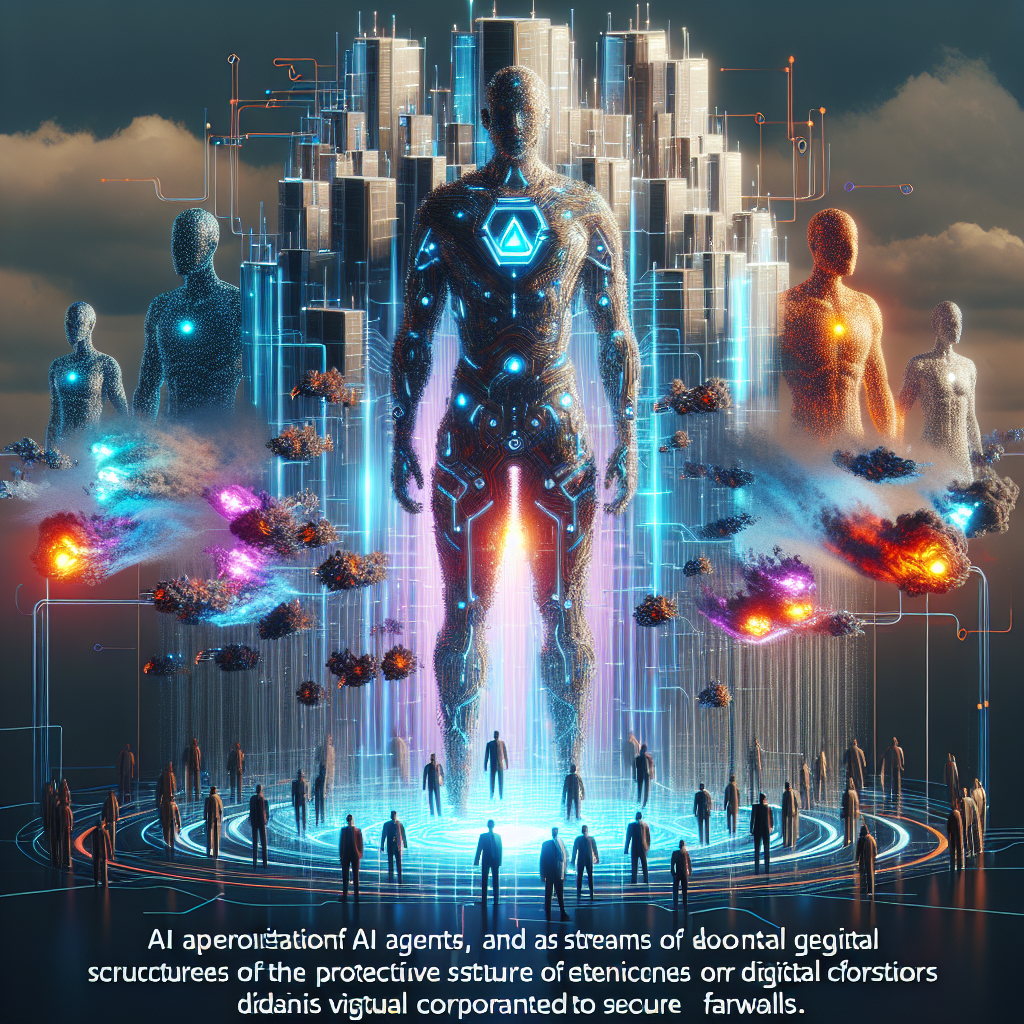
The emergence of generative AI and large language models has transformed the cybersecurity arena, equipping cybercriminals with tools that can generate sophisticated video and voice deepfakes, as well as personalized phishing schemes. This paradigm shift highlights the increased vulnerability of organizations, pushing them to explore AI-driven defenses to counteract these advanced threats.
With the escalation of cyber threats, corporate cybersecurity measures are evolving rapidly. CEO of cybersecurity technology firm ReliaQuest, Brian Murphy, emphasizes that AI is reshaping the landscape of corporate defense mechanisms. As AI technologies gain traction in various sectors, including finance and legal, their application in cybersecurity becomes ever more crucial. Cybersecurity AI agents are now key players, responsible for detection, analysis, and alert systems in organizations striving to maintain security amidst growing complexities.
Murphy elaborates on the challenges faced by security teams operating within larger corporations, stating, “It’s a massive challenge to detect, contain, investigate and respond…” He highlights how AI helps to filter out less important tasks—what he refers to as “tier one or tier two work”—allowing security personnel to focus on more pressing concerns that could pose a threat to the organization.
AI’s role in enhancing productivity within cybersecurity teams reflects a broader trend across various industries. In a communication to Amazon employees, CEO Andy Jassy expressed his belief in the transformative potential of AI agents, predicting that they will proliferate across diverse sectors. Jassy envisions a paradigm where workers spend less time on repetitive tasks and engage in more innovative, strategic thinking. He believes that these agents will not only enhance productivity but also make work more fulfilling and dynamic.
Murphy acknowledges the prevalence of burnout among cybersecurity professionals, exacerbated by the increasing volume of tasks they face. The evolution of AI may help alleviate some of this strain by automating tedious responsibilities, allowing professionals to enhance their focus on critical analysis and response efforts.
Meanwhile, the same advancements that aid defenders are also exploited by attackers. Cybercriminals leverage AI to enhance the quality of phishing emails, which have evolved from poorly crafted messages riddled with errors into sophisticated, authentic-looking communications capable of deceiving even experienced personnel. Murphy points out that AI empowers the average adversary, thereby necessitating that defensive teams employ AI to counteract these elevated threats.
ReliaQuest’s response to the changing landscape has been the development of GreyMatter Agentic Teammates, which serve as autonomous AI agents tailored for specific roles within security operations teams. These agents are essentially an extension of the human workforce, capable of executing a range of tasks traditionally performed by detection engineers or threat intelligence researchers. Murphy describes the dynamic as one where the human operator prompts the AI, likening it to a partnership where the AI “teammate” amplifies the capabilities of an incident response analyst.
An illustrative scenario provided by Murphy involves international executive travel. In instances where an executive’s laptop or smartphone connects to a network in a country like China, security teams receive alerts that require confirmation that the device is being used securely. Here, the incorporation of AI not only speeds up the verification process but also enhances the overall effectiveness of the security response.
In conclusion, as AI continues to permeate the cybersecurity landscape, it offers promising avenues for enhancing defensive strategies and reducing the burdens on human security professionals. As organizations face increasingly sophisticated threats, the adoption of agentic AI appears to be a crucial step toward maintaining robust cybersecurity defenses while also cultivating a more productive and focused work environment.
Leave a Reply