

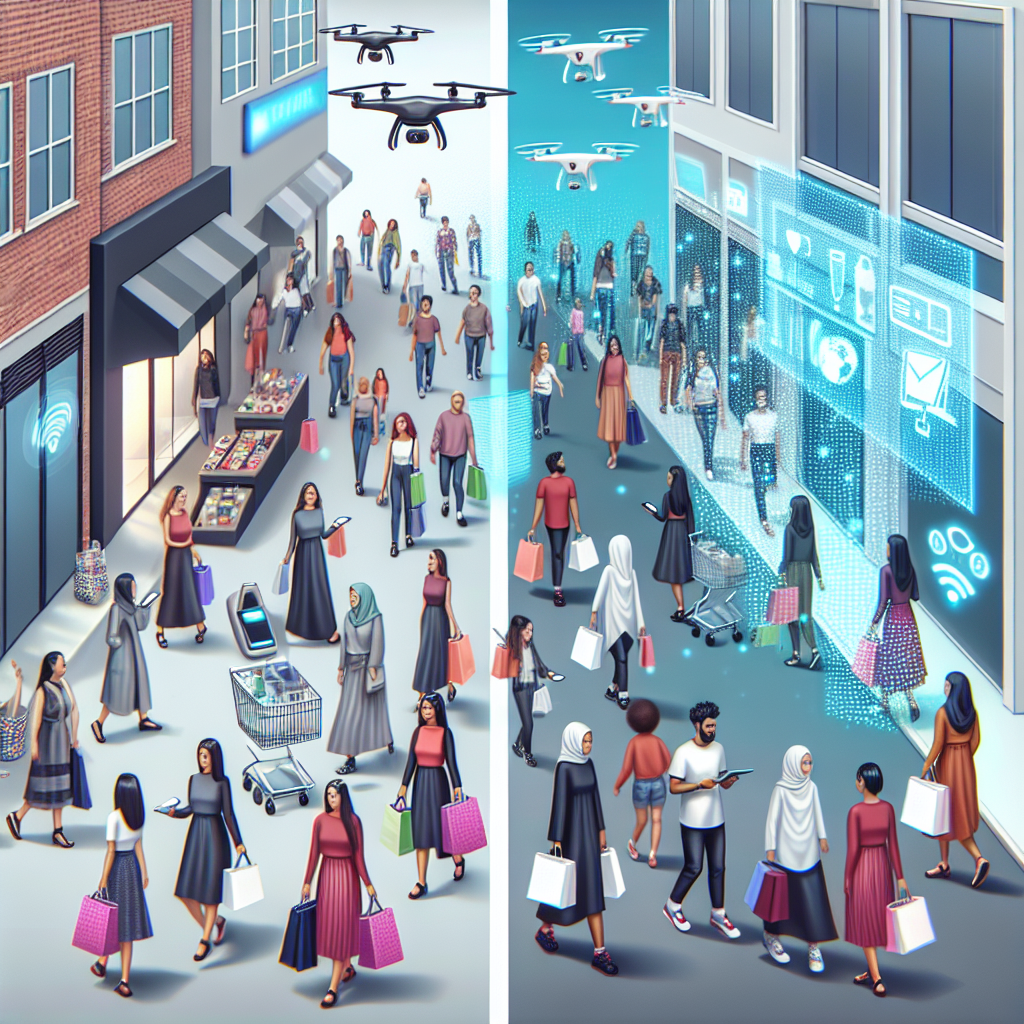
As digital commerce evolves, consumers are increasingly gravitating towards seamless purchasing journeys facilitated by artificial intelligence (AI). A recent PYMNTS Intelligence survey involving 1,425 adult consumers in the U.S. illustrates a significant shift in shopping behavior: over half of the respondents expressed a preference for completing purchases within an AI platform rather than being redirected to a traditional retailer’s website. This change underscores the growing trust in AI-powered shopping experiences and indicates a willingness to trade conventional browsing for enhanced convenience and personalized service.
The survey results reveal that 52% of AI users favor in-platform purchases, contrasting closely with 48% who prefer being directed to merchant sites for transactions. This near-even split marks a departure from prior eCommerce norms where product discovery and checkout were primarily tied to dedicated retailer platforms. The preference for integrated AI shopping experiences suggests that consumers are ready to embrace a more streamlined approach to online shopping, minimizing the typical friction involved in multi-site navigation.
Today’s AI solutions are evolving beyond simple recommendation engines and growing into comprehensive end-to-end commerce interfaces. This development allows consumers to conduct shopping more fluidly, reducing their desire to exit these AI environments. The trust consumers place in AI is deeply intertwined with the platforms’ ability to provide relevant product suggestions, compare options effortlessly, and anticipate needs, thereby enhancing the overall shopping experience.
Interestingly, the findings also reveal that practical incentives significantly influence consumers’ willingness to engage with AI-native commerce. Approximately 70% of AI users stated they would be amenable to seeing sponsored products in AI-generated lists if these resulted in exclusive discounts. This inclination showcases how value defines consumer expectations in the realm of AI-driven shopping.
Similarly, a compelling offer like free shipping reinforces this trend. The survey shows that about seven in ten AI users are open to accepting sponsored entries in exchange for free shipping, whereas less than 30% prefer to see ad-free results even without such benefits. This pattern indicates that consumers have a pragmatic approach to advertising in these new shopping interfaces, provided that the payoff is tangible and immediate.
Another critical factor driving interest in AI utilities is personalization. The survey points towards a growing appreciation for tailored shopping experiences that resonate with individual consumer demands. When consumers are presented with options that reflect their preferences and past behavior, their probability of purchasing significantly increases. AI’s capability to curate these personal experiences is a pivotal element in redefining customer engagement.
The implications of these findings for retailers and investors are profound. Marketers and business owners must recognize this shifting landscape and modify their approaches to capitalize on the increased comfort consumers have with AI-integrated shopping. As AI becomes an integral part of the shopping ecosystem, traditional eCommerce strategies may need to be reevaluated in favor of models that emphasize AI-driven interfaces where convenience, personalization, and value markedly enhance the consumer experience.
In conclusion, the transition towards AI-driven shopping presents both opportunities and challenges. For businesses willing to adapt and leverage advanced technologies, the potential for growth is enormous. Retailers can engage their audiences more effectively by integrating AI into their commerce strategies and streamlining the purchasing journey, creating a win-win for consumers seeking convenience and businesses aiming to thrive in a competitive market.
Leave a Reply