

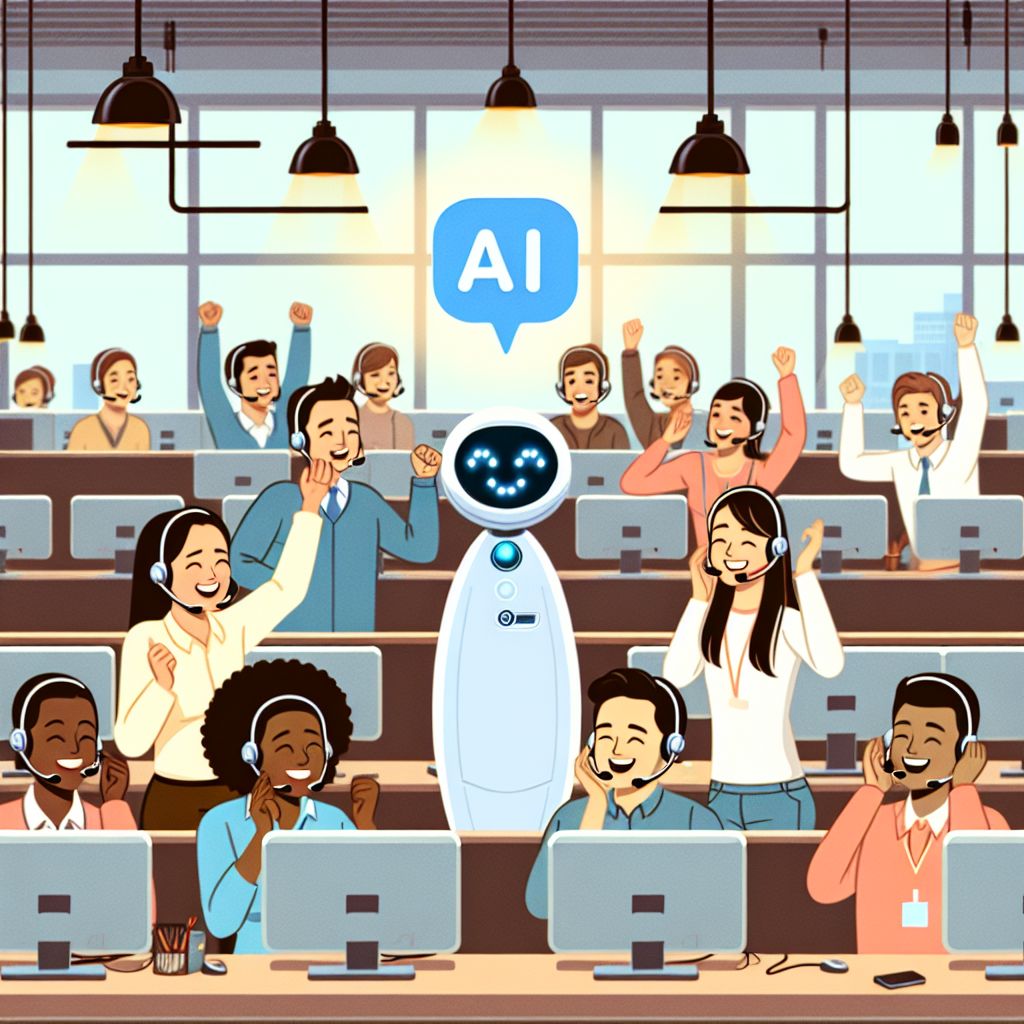
The integration of artificial intelligence into customer service has been a point of both excitement and trepidation for many businesses. However, an inspiring story from IKEA illustrates how embracing AI can lead to innovative solutions rather than workforce reductions. On March 31st, 2026, a post by Brian Solis on X showcased IKEA’s successful deployment of an AI chatbot named Billy, which transformed the company’s customer service strategy.
Billy, designed to handle level-one customer service inquiries, proved remarkably effective, resolving approximately 47% of these engagements without needing human intervention. At first glance, this seems like a typical success story where companies might celebrate cost savings and increased efficiency. But unlike many organizations that could have treated this as a simple win, IKEA took a more thoughtful and strategic approach by leveraging the insights derived from the interactions with Billy.
Instead of viewing the ongoing need for human personnel as a setback, IKEA analyzed the unresolved cases and discovered that many customers were not just seeking answers to basic inquiries; they were looking for assistance with interior design. Recognizing this opportunity, IKEA pivoted its strategy and launched a design consultancy, which not only reskilled many of its customer service employees but also opened up a new revenue stream.
In its first year, the AI-powered design consultancy reportedly generated around €1 billion. This staggering figure signifies more than just a financial boon; it highlights IKEA’s commitment to innovation and employee development in the face of technological advancement. By reskilling staff rather than laying them off, IKEA exemplified a forward-thinking approach that aims to complement rather than replace human roles with AI.
This groundbreaking approach led to widespread recognition, with Solis’s post going viral within 24 hours, garnering nearly half a million views, 275 reposts, 2.2k likes, and over 60 comments. The post resonated with numerous stakeholders in the business community, inspiring discussions across various platforms, including LinkedIn and international media outlets such as India Today and People Matters.
The implications of IKEA’s strategy extend far beyond its own business. The blend of automation with human augmentation opens the door to exponential growth, advancing the interactions between consumers and businesses in a more meaningful way. This case serves as a critical reminder to organizations that the integration of AI does not have to spell doom for employees but can lead to innovative reskilling opportunities that benefit both the company and its workforce.
As companies worldwide continue to grapple with the rapid pace of change in technology, IKEA’s story offers a compelling blueprint for success. As businesses consider implementing AI solutions, they should take a page from IKEA’s playbook—conduct thorough analyses of customer needs, adapt strategically based on the data collected, and ensure that their staff are not left behind in the age of automation.
Moving forward, businesses can significantly enhance their competitive edge by remembering that the future will favor those organizations willing to innovate not just with technology but also with their workforce’s potential. The lesson here is clear: AI can serve as a powerful tool for growth when integrated thoughtfully, keeping employees at the forefront of the conversation instead of relegating them to the sidelines.
Leave a Reply