
-
New AI model could cut the costs of developing protein drugs

The pharmaceutical industry constantly seeks innovative methods to reduce the costs of drug development, particularly in the realm of protein-based therapeutics. A groundbreaking study from MIT chemical engineers unveils a new artificial intelligence model that has the potential to significantly streamline the production of proteins used in vaccines and biopharmaceuticals. By optimizing protein manufacturing processes, this AI advancement promises not only to cut costs but also to enhance efficiency in drug development.
Industrial yeasts, particularly the species Komagataella phaffii, play a critical role in the production of a variety of essential proteins. These organisms are utilized to manufacture vaccines, biopharmaceuticals, and other valuable compounds. The MIT team employed a large language model (LLM) to analyze the genetic sequences of K. phaffii, focusing specifically on the usage patterns of codons—the three-letter DNA sequences that encode amino acids. With every organism exhibiting unique codon utilization, the challenge lies in determining which specific codons are optimal for producing a particular protein.
The innovative MIT model learned the codon usage patterns for K. phaffii, enabling researchers to predict the most effective codons for manufacturing different proteins. This capability led to improved efficiency in the production of six distinct proteins, among them human growth hormone and a monoclonal antibody designated for cancer treatment. According to J. Christopher Love, a prominent chemical engineering professor at MIT, having reliable predictive tools drastically reduces uncertainties in the production process, thereby saving both time and financial resources.
The findings of this study are published in the prestigious Proceedings of the National Academy of Sciences. Lead author Harini Narayanan, alongside Professor Love, emphasizes the significance of their research amid a landscape where traditional drug development remains labor-intensive and fraught with uncertainty.
This process involves multiple steps, including the integration of a gene from another organism into the yeast’s genome and ensuring favorable growth conditions for the production of the target protein. Traditionally, these procedures represent 15 to 20 percent of the overall costs associated with bringing new biologic drugs to market. The emphasis here is on optimizing the DNA codon sequences that make up a protein gene, which can drastically improve production efficiency.
Current methodologies necessitate strenuous experimental trials, leading to prolonged timeframes for getting promising drugs into production. The MIT team aims to leverage advancements in machine learning to streamline these processes, making them more predictable and efficient. As Love notes, this approach could transform how researchers engage with the production of protein drugs.
The commercial implications of this research are immense. If this AI model can be effectively integrated into the pharmaceutical manufacturing landscape, it could lead to reduced costs for producing critical biologics, thereby making treatments more accessible to patients. This could have a transformative impact not only on the health sector but on the broader economy by potentially lowering healthcare costs.
Moreover, as the pharmaceutical industry faces increasing pressure to develop drugs more swiftly and cost-effectively, tools like this AI model could become essential for maintaining competitiveness. The ability to predict successful protein production pathways using artificial intelligence merges computational power with bioproduction knowledge, creating a nexus of innovation that could redefine the biopharmaceutical landscape.
In summary, the MIT study stands as a testament to the potential of artificial intelligence in revolutionizing the field of biopharmaceuticals. By marrying advanced algorithms with biological processes, researchers are poised to make substantial strides in drug development efficiency and cost-effectiveness. The significance of these findings cannot be overstated as they lay the groundwork for future advancements that will ultimately benefit the health and well-being of countless individuals.
-
Build a Safer OpenClaw Alternative AI Assistant Using Claude Code
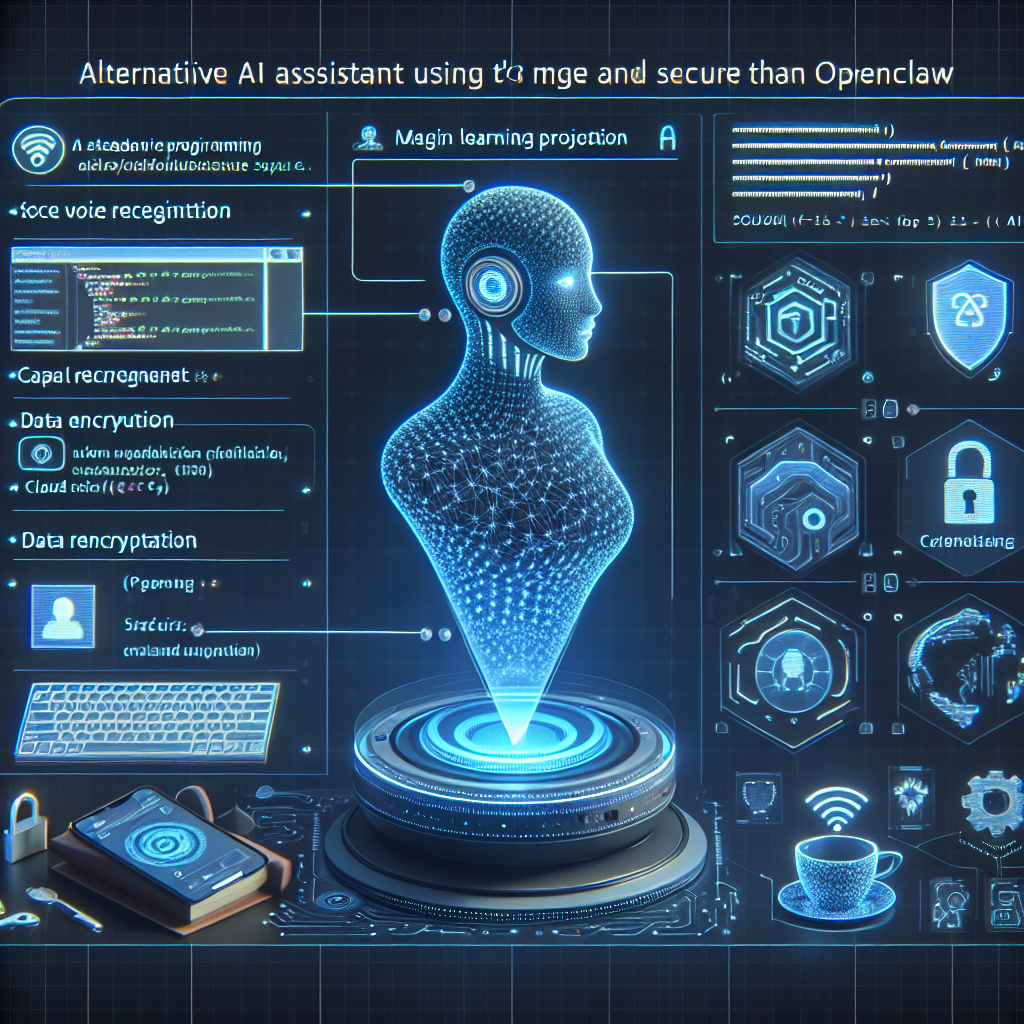
In today’s rapidly evolving technological landscape, building secure AI systems that prioritize user data protection is crucial. The article highlights a significant development in creating a safer alternative to OpenClaw, an open-source AI assistant. This initiative utilizes Claude Code to address several critical security vulnerabilities associated with OpenClaw while maintaining its core functionalities.
OpenClaw has garnered attention for its automation prowess and ability to integrate seamlessly across various tasks. However, its design is not without flaws. Security issues, such as the plain-text storage of sensitive credentials and a heavy reliance on third-party components, expose users to significant risks. The aim of this project is to create a version of OpenClaw that enhances security and reduces these vulnerabilities, ensuring users can benefit from its functionality without compromising their data.
The article provides a comprehensive guide on replicating OpenClaw’s features while implementing critical security measures. By focusing on elements such as a secure memory system, customized platform adapters, and an in-house skills framework, developers can stay in control of their workflows and data integrity. These proactive steps are designed to balance operational capabilities with enhanced safety, paving the way for a more secure AI assistant.
Building a Secure AI Assistant
The summary of key takeaways from the article presents a stark contrast between the utility and risks associated with OpenClaw. While it is lauded for its personalization and task automation features, its architecture poses severe threats, including:
- Security Vulnerabilities: OpenClaw is susceptible to remote code execution attacks, putting users’ data at risk.
- Plain-Text Storage of Credentials: The storage of sensitive information, including API keys and user tokens, in a non-encrypted format significantly increases the chance of data breaches.
- Dependence on Third-Party Components: The reliance on third-party libraries, such as Claw Hub, raises the stakes for exposure to malicious code or poorly vetted packages.
These issues highlight the importance of building a customized assistant that minimizes dependencies on external repositories. The development of a secure AI assistant using Claude Code directly addresses these concerns while ensuring that functionality remains intact. A key advantage of this approach is that developers can integrate enhanced security practices without sacrificing the user experience.
Key Features to Consider
When designing a secure alternative to OpenClaw, developers should focus on several core features:
- Encrypted Memory Systems: Implement a secure memory system that safeguards user data, ensuring that sensitive information is protected against unauthorized access.
- Robust Task Automation: Retain the ability to automate tasks effectively while ensuring that the system is resilient against potential vulnerabilities.
- Seamless Platform Integration: Create custom platform adapters to facilitate effective communication and reduce reliance on third-party components.
- In-House Skills Framework: Develop an in-house skills framework that eliminates external risks associated with third-party dependencies.
Recommended Development Steps
The article outlines a structured approach to develop this secure AI assistant, starting with an analysis of OpenClaw’s architecture. Developers are encouraged to utilize secure tools and implement a scalable technology stack. Suggested technologies include Markdown for data storage, databases like SQLite or PostgreSQL for efficient data management, and custom adapters to ensure smooth communication.
By following these steps, developers can create a secure AI assistant that meets specific needs while maintaining user data integrity. This initiative represents a significant step forward in the efforts to prioritize security in AI applications, demonstrating that it is possible to create robust, well-functioning systems without compromising safety.
In conclusion, the push towards building safer AI solutions reflects a growing awareness of security issues in technology. The endeavor to create a secure alternative to OpenClaw using Claude Code not only addresses existing vulnerabilities but also sets a precedent for future developments in the field of AI. Developers are urged to consider these vital aspects as they navigate the complex interplay between functionality and security in the design of AI assistants.
-
Enterprise AI Architecture with Vector Database, Metadata, RAG, Dynamic Context Discovery (DCD), and Backup Strategy

In the evolving landscape of artificial intelligence, modern applications necessitate a robust architecture that goes beyond conventional Large Language Models (LLMs). The integration of various components such as Vector Databases, metadata filters, RAG services, and Dynamic Context Discovery (DCD) mechanisms has emerged as essential for crafting scalable and effective AI solutions. This cutting-edge architecture enables systems to retrieve critical domain-specific knowledge efficiently while maintaining accuracy and relevance with live enterprise data.
The discussion surrounding AI architecture focuses heavily on solving several intrinsic problems. Traditional LLMs are often criticized for their tendency to hallucinate or generate inaccurate information. They also struggle with accessing private enterprise knowledge, which is crucial for rendering precise responses in a business context. By seamlessly embedding a Vector Database into the architecture together with RAG services, AI applications enhance their capability to pull up relevant, context-rich information right before generating user-facing answers. Moreover, leveraging metadata not only hones in on the accuracy of the results (through filters such as department or date) but also ensures that organizations have the necessary governance over the data.
Consider the specific problems this architecture addresses:
- Reducing the occurrence of hallucinations through grounding answers in reliable documents.
- Facilitating domain-specific responses powered by enterprise knowledge.
- Employing metadata constraints to filter outputs effectively.
- Managing vast document repositories with ease and efficiency.
- Ensuring resilience and continuity through robust backup mechanisms.
- Dynamically optimizing context selection using DCD tailored to user intent.
- Upholding compliance and access control across the system.
These factors collectively forge a pathway for overcoming the hurdles that AI applications frequently encounter, making them more scalable and contextually relevant.
In terms of implementation, executing this sophisticated architecture is systematic yet crucial for achieving the desired outcomes. Initially, the process begins with document ingestion, where diverse formats (like PDFs or databases) are uploaded into the system. Following ingestion, the documents are chunked and converted into embeddings—numerical vector representations designed to encapsulate the essence of the text or images for enhanced processing.
These embeddings, accompanied by structured metadata attributes, are then securely stored in a Vector Database. This step is pivotal as it serves as the backbone for subsequent retrieval processes. Implementing a RAG service is essential, enabling the system to execute a top-k retrieval of relevant chunks based on a similarity search, effectively filtering through the metadata. This combination ensures that the context presented to the LLM resonates well with user inquiries, creating a more human-like interaction.
Dynamic Context Discovery plays a central role in adapting the retrieval strategies according to the nuanced understanding of user intent. By analyzing and evaluating the query at hand, DCD enhances the truthfulness and relevance of responses by choosing the most applicable data chunks to inform the LLM’s generation process.
Finally, to guarantee that the system remains resilient against unforeseen challenges, integrated backup mechanisms are employed. These stratagems involve periodic snapshots of both vector and metadata installations, enabling data recovery and reliability without compromising speed and efficiency.
The overarching architecture is typically deployed in a scalable cloud-native environment, allowing businesses to capitalize on the flexibility of cloud services. Companies can maximize this integrated system by ensuring that their AI applications not only serve immediate operational needs but continuously adapt to the evolving dynamics of their specific industries.
In conclusion, the synergy among Vector Databases, metadata, RAG services, and Dynamic Context Discovery represents a significant advancement in the construction of AI architectures. By addressing common challenges and focusing on domain-specific requirements, these systems promise to enhance performance and reliability, guiding enterprises towards more intelligent and insightful decision-making.
-
Wesfarmers to deploy agentic AI in retail operations
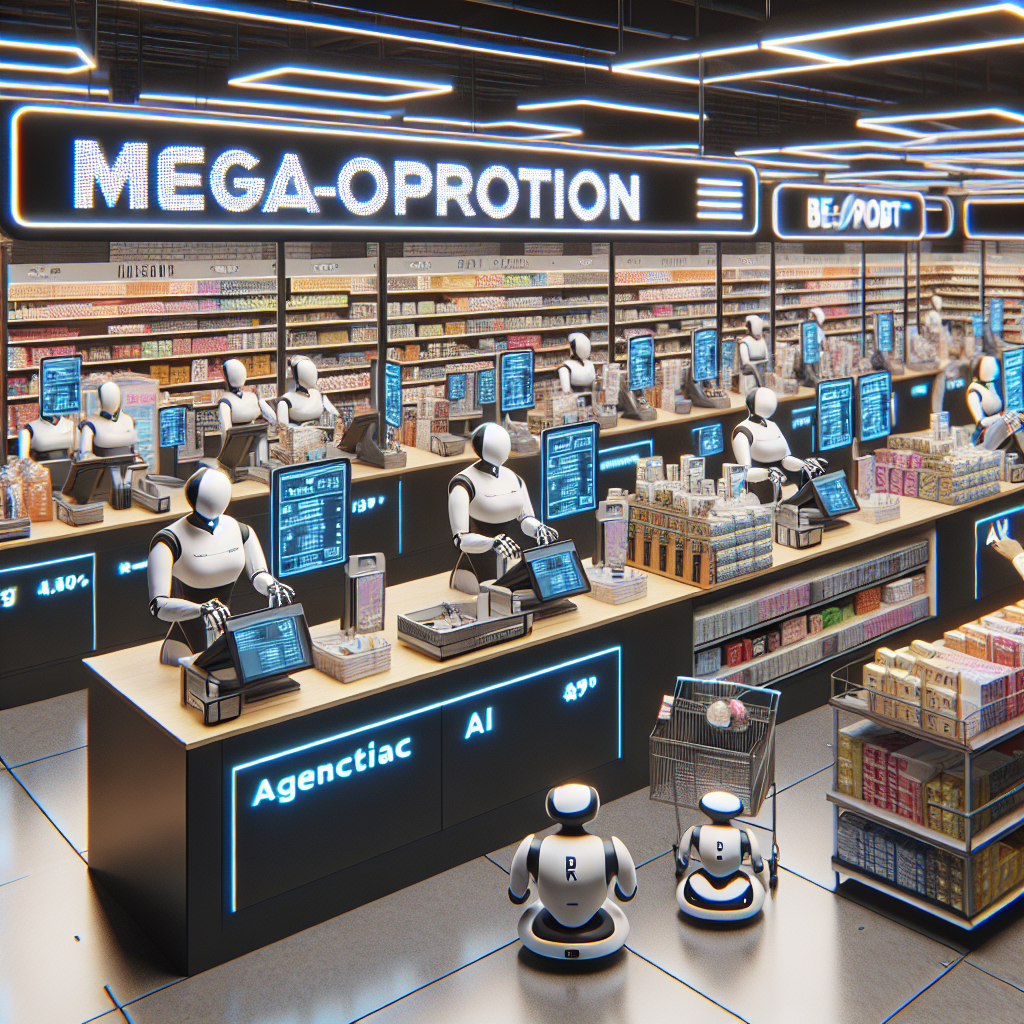
Australian retail giant Wesfarmers is taking a bold step towards digital transformation by signing a multi-year agreement with Google Cloud to roll out agentic artificial intelligence (AI) across its diverse portfolio that includes brands like Kmart, Officeworks, Priceline, and OnePass.
This strategic partnership will leverage Google’s Gemini Enterprise platform, a cutting-edge system designed to create AI agents capable of reasoning and executing complex, multi-step tasks. The primary goal of this initiative is to address the growing operational complexities inherent in managing a sizable multi-brand retail organization, all while meeting the escalating consumer demand for speedier and more personalized service.
Rob Scott, the managing director of Wesfarmers, emphasized the importance of leveraging AI responsibly at scale, stating, “As we expand the use of AI across areas such as forecasting, design and customer engagement, it’s important that we do so responsibly, at scale and with the right partners.” This partnership aims not just for efficiency, but also for enhancing customer experiences and enabling teams to concentrate on high-value tasks.
A remarkable feature of this rollout is the pilot for Search with OnePass, which allows consumers to engage in conversational shopping across various divisions. This means a customer can inquire about products available at both Kmart and Bunnings in a single query, significantly streamlining the shopping experience.
Moreover, AI assistants are being integrated into customer support systems to resolve queries more efficiently. By understanding the historical context of conversations, these AI agents can foster effective communication and service, saving valuable time for both consumers and the support teams. Internally, the Gemini Enterprise platform will facilitate the utilization of AI by retail teams in operations, engineering, marketing, and finance, aiding in data analysis and the automation of monotonous administrative tasks.
Thomas Kurian, CEO of Google Cloud, pointed out that AI is deeply transforming the retail landscape, enabling companies to forge deeper connections with customers through each interaction. By embedding Google’s agentic AI within Wesfarmers’ celebrated brands, they aim to revolutionize not just the digital storefront but every customer touchpoint and internal process.
To facilitate this transition, Google Cloud will implement a custom AI upskilling program tailored for Wesfarmers’ staff. This initiative will train employees to identify and deploy AI agents in their day-to-day responsibilities, significantly enhancing customer service and overall experiences.
Wesfarmers isn’t alone in this AI venture. Other retailers are also collaborating with Google Cloud to harness cloud and AI technologies effectively. Notably, Woolworths became the first in the Asia-Pacific region to adopt the Gemini Enterprise for Customer Experience platform, transforming its Olive chatbot into a proactive shopping companion.
Additionally, major Australian establishments are fusing Google Cloud’s capabilities into their operations. Australia Post, for instance, employs BigQuery, a cloud-based data analytics platform, to gain comprehensive insights into the mail delivery stages, dramatically reducing analysis time. In the financial sector, ANZ is utilizing Google Cloud’s data analytics prowess to process substantial banking data more efficiently.
As businesses across sectors become more reliant on AI to address operational challenges and improve customer interaction, Wesfarmers’ initiative exemplifies how strategic partnerships with technology leaders can accelerate this transformation. The deployment of agentic AI not only signifies a leap forward in operational capabilities but also sets a benchmark for other organizations aiming to seize the opportunities presented by AI in enhancing customer experiences and driving growth.
-
India plans vast AI ‘data city’ in major digital push

In a bold initiative to position itself as a global leader in the artificial intelligence sector, India is set to establish a massive AI “data city” in the state of Andhra Pradesh. This plan is part of a larger digital push aimed at leveraging the growing demand for AI infrastructure and services.
The vision for this data city extends beyond merely building data centers, as Lokesh, a key proponent of the plan, emphasizes a holistic approach. Andhra Pradesh has gained notable traction in attracting foreign direct investment (FDI), accounting for nearly 25 percent of total FDI into India in 2025. The state’s government is not just about passive real estate offerings; they’re actively pursuing tech companies, particularly those involved in server manufacturing and support systems required for robust data center operations.
Lokesh, a Stanford-educated minister who is the son of the state’s Chief Minister, has drawn inspiration from the rapid technological advancements achieved in regions like Silicon Valley and similar global tech hubs. With Prime Minister Narendra Modi slated to host the AI Impact Summit, the timing for such an ambitious initiative couldn’t be better. India’s current position as the third-largest AI power—surpassing nations like South Korea and Japan—highlights the potential this nation holds in the AI landscape.
The announcements come in the wake of significant investments from major corporations. Microsoft recently pledged $17.5 billion, marking its largest single investment in Asia, targeted at nurturing the country’s AI ecosystem. This influx of capital is expected to catalyze the growth of local tech industries and contribute significantly to India’s emerging AI framework.
However, the shift towards becoming a leader in AI is not without its challenges. Critics have raised concerns regarding India’s limited access to high-performance computing resources and the country’s current role as predominantly a consumer rather than a creator of cutting-edge technology. There are also doubts about whether the establishment of data centers will generate meaningful job opportunities. Nonetheless, Lokesh firmly counters these arguments by citing historical precedents, asserting that industrial revolutions tend to generate more jobs than they destruct if embraced properly.
One of the more striking elements of Andhra Pradesh’s growth strategy is the offering of land at a subsidized rate of one US cent per acre for corporations willing to invest in the region. This aggressive incentive underscores the state’s commitment to creating a thriving ecosystem for tech companies. Furthermore, Lokesh believes that the economic benefits from such decisions will outweigh the costs involved, arguing that the state is well-prepared to handle the substantial energy and water intensiveness required for these facilities.
Highlighting India’s ample water resources, Lokesh notes the potential for utilizing surplus monsoon water for cooling purposes, aligning sustainability with technological advancement. His admiration for China’s rapid industrialization and poverty alleviation strategies indicates a roadmap that Andhra Pradesh aims to emulate. The plan includes the establishment of industrial clusters designed to promote synergy among various tech entities operating in close proximity, fostering an innovative culture.
With ambitious plans to generate six gigawatts of capacity through data centers in the near future, and with several projects already underway, Andhra Pradesh is undeniably on a trajectory aimed at implementing these strategies at an unprecedented pace. The central government’s in-principle approval for nuclear power plants underscores the foundational support necessary to ensure that energy standards meet the demands of this burgeoning sector.
In conclusion, the establishment of an AI data city in Andhra Pradesh represents a transformative opportunity for India. By strategically aligning its resources and infrastructure, while attracting substantial investments, India is poised to not only enhance its digital capabilities but also create pathways for economic prosperity through technological innovation.
-
AI boosts productivity, not triggering mass layoffs: ICRIER-OpenAI report
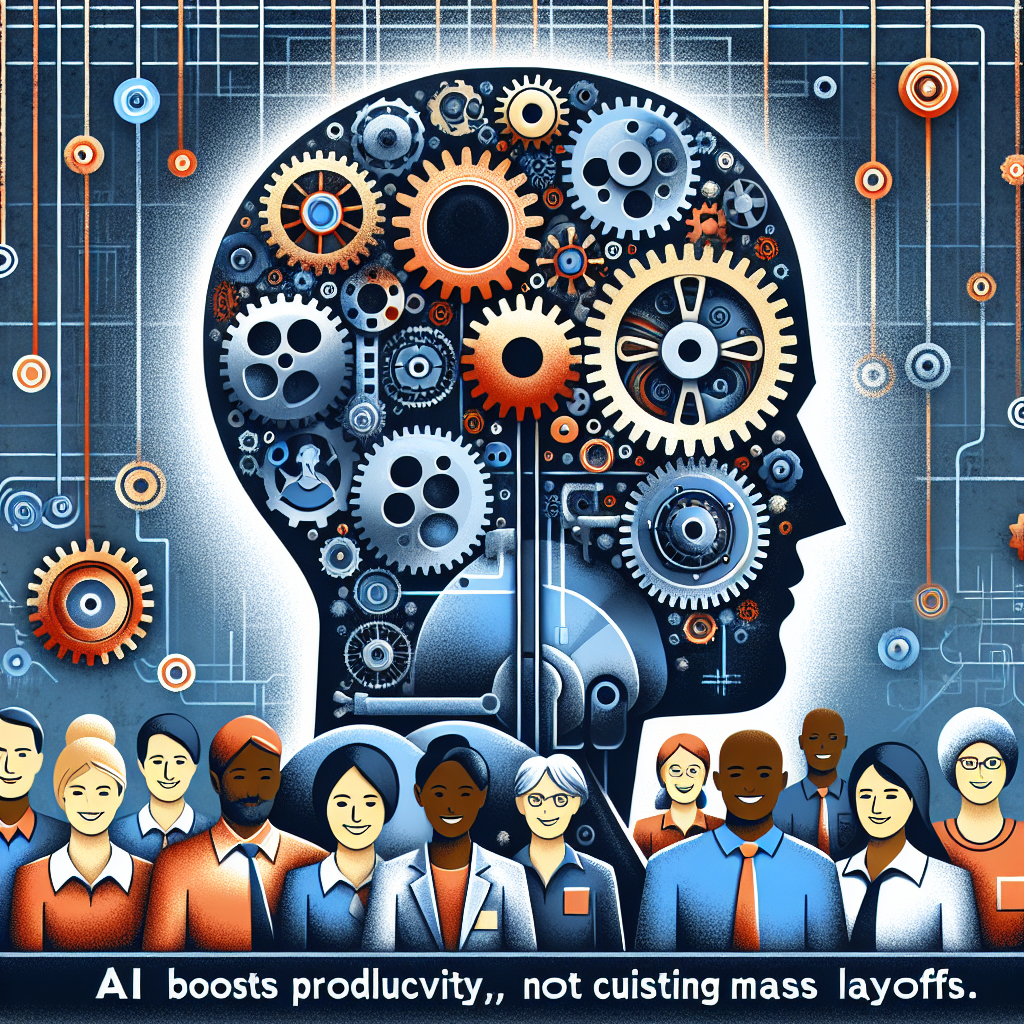
A collaborative study conducted by the Indian Council for Research on International Economic Relations (ICRIER) and OpenAI challenges the alarming narrative surrounding Artificial Intelligence’s impact on employment. The report, titled ‘AI and Jobs: This time is no different’, suggests that while generative AI is transforming workplaces, it is not leading to widespread job losses. Instead, it is enhancing productivity and reshaping roles within organizations, particularly in the IT sector.
Spanning a comprehensive survey of 650 IT firms across ten cities in India, conducted between November 2025 and January 2026, the study aims to analyze the evolving hiring patterns, occupational demands, productivity outcomes, and workforce skilling amidst the rise of AI technologies. This timely investigation aims to shed light on whether fears of mass layoffs due to AI are well-founded or exaggerated.
Key insights from the study indicate that AI is more an ally than a replacement for human talent. According to Ronnie Chatterji, Chief Economist at OpenAI, the data collected reflects a significant shift in work organization, where AI tools complement and enhance human capabilities rather than displace them. Chatterji emphasizes the data reveals a “transition underway in India,” suggesting a future where AI enhances the skill set of the workforce rather than threatens its stability.
Despite reports of a modest slowdown in hiring—primarily at entry-level positions—the stability observed at mid and senior levels paints a picture of resilience within the industry. Researchers propose that this moderation correlates more with post-pandemic trends rather than being solely attributable to AI’s impact. Interestingly, roles often perceived as vulnerable to automation, such as software developers and database administrators, are noted as experiencing substantial growth in demand.
During a critical moment for India’s workforce, the study conveys that a mere 4 percent of firms have trained more than half their workforce in AI, revealing a pressing opportunity for skills development. Shekhar Aiyar, Director and Chief Executive of ICRIER, stressed that while opinions on AI’s impact may vary, this study presents factual evidence. In-depth interviews with leaders in the Indian IT sector supplement survey findings to paint a clearer picture of generative AI’s real implications.
Aiyar also warned that while the Indian IT industry appears to be managing AI adoption reasonably well, the potential for disruption remains. Many firms are inadequately prepared for the next phase of AI integration. This concern beckons the necessity for policymakers to monitor advancements and facilitate necessary training for employees to embrace the changes ahead.
The findings of the ICRIER-OpenAI report provide a critical perspective for business leaders, product builders, and investors navigating the future of work in a world increasingly influenced by AI. The study emphasizes the need for a balanced view regarding AI’s role in the labor market—recognizing its capability to augment productivity while fostering new job opportunities rather than exacerbating unemployment fears.
In summary, this report brings forth a nuanced understanding, providing stakeholders with evidence-based insights that could serve as a foundation for strategic planning in the face of AI advancements. By steering the conversation away from panic and towards proactive training and skill development, there is potential to harness the power of AI in ways that bolster, rather than undermine, the workforce.
-
AI-Led Learning Revolution: DeepGrade Platform Scales Across 3,000 Indian Schools

The landscape of education is undergoing a profound transformation, driven by innovative technologies and partnerships that bridge the gap between traditional learning methods and advanced AI capabilities. A notable development in this arena is the collaboration between BharathCloud, a leading Indian AI-ready cloud services provider, and Smartail AI, recognized as Asia’s first AI-powered grading company. Together, they are embarking on an ambitious mission to revolutionize education in over 3,000 schools and universities across India by 2026.
This partnership is particularly significant as it aims to enhance the adoption of secure, scalable, and data-sovereign artificial intelligence in educational institutions. Recognizing the critical importance of data sovereignty and security, BharathCloud’s robust AI cloud infrastructure powers Smartail’s flagship product, DeepGrade. This partnership not only propels the use of AI in grading but also ensures that these technological advancements are made without sacrificing data security or educational integrity.
DeepGrade serves as an automated grading system that provides real-time student performance analytics and personalized learning insights. This innovation is crucial in an age where the need for efficient and accurate assessments is paramount. Currently, Smartail has achieved remarkable results, grading over 3 million marks monthly with an accuracy rate of approximately 97%. Additionally, the platform has successfully increased the generation of question papers by 17%, producing over 500 papers monthly in various curricula, including CBSE, ICSE, IGCSE, IB, and Cambridge.
Swaminathan Ganesan, the Co-Founder and CEO of Smartail, emphasizes the mission-critical nature of their cloud choice. The evaluation of several providers culminated in the recognition of BharathCloud as the optimum partner due to its high availability, scalability, low latency, and cost efficiency. The secure infrastructure provided by BharathCloud enables Smartail to manage over 100,000 answer evaluations daily while maintaining strict data security protocols, ensuring not just compliance but also superior educational outcomes.
This partnership extends beyond the immediate enhancement of Smartail’s operations. It establishes a pathway for educational institutions to access secure AI cloud infrastructure, further enabling the deployment of AI technologies while simplifying cloud management. The collaboration draws on both companies’ strengths, positioning them for mutual growth. BharathCloud’s expertise in sovereign AI cloud solutions complements Smartail’s established presence in international markets such as the UK and UAE, allowing both companies to extend their influence beyond the Indian market.
As the partnership unfolds, there are exciting possibilities ahead, particularly regarding the role of AI in transforming educational experiences. By supporting institutions with tailored cloud solutions, BharathCloud and Smartail are not just improving grading systems but also enhancing the entire learning environment for students across diverse educational settings.
The initiative highlights a growing recognition of AI’s potential to reshape education by providing tools that empower both educators and students alike. This partnership reflects a proactive approach to integrating technology within learning institutions and serves as a model for similar initiatives. As the education sector evolves, embracing innovations like DeepGrade will be crucial for institutions, as they navigate the complexities of modern learning environments.
In conclusion, the collaboration between BharathCloud and Smartail AI is a pivotal moment in the adoption of AI in education in India. By setting a foundation for scalable, secure, and efficient AI deployment, this partnership promises to accelerate educational transformation, rendering learning more accessible and tailored to individual needs. It represents a clear step forward in realizing the potential of AI to improve educational outcomes and prepare students for the careers of the future.
-
All-in on AI: what TikTok creator ByteDance did next

In recent years, ByteDance has made headlines for more than just its wildly popular social media platform, TikTok. As the world becomes increasingly fascinated with artificial intelligence (AI), the Chinese tech giant is boldly stepping into this arena, positioning itself as a major player second only to industry leaders like OpenAI and Google. This evolution reflects not just a chance for growth, but a strategic pivot that signifies the company’s desire to engage in the next chapter of technological advancements.
The recent launch of Doubao, ByteDance’s AI chatbot, has already garnered over 100 million daily users since its introduction in early 2023. This staggering number highlights Doubao’s status as China’s most frequently used AI chatbot, making it one of the top processors of AI queries globally. This sudden rise in user engagement indicates that ByteDance isn’t just a follower in the AI space; they’re establishing themselves as a formidable competitor, eager to innovate and expand their technological footprint.
In addition to Doubao, ByteDance has rolled out its video generator, Seedance 2.0, which has received acclaim for its ability to create cinematic clips. This product not only elevates the company’s profile but also showcases its technological prowess beyond the traditional media landscape. By venturing into AI-generated content and applications, ByteDance signals a commitment to leveraging its existing user base while also addressing the growing trend of automation and AI consumption.
Despite these victories, ByteDance faces significant obstacles as it navigates international markets. The company has had ongoing legal and privacy issues surrounding TikTok, with various governments raising concerns about data privacy and potential foreign influence on users. The European Commission recently reprimanded TikTok for features deemed “addictive,” warning ByteDance that failure to adapt its platform could lead to substantial fines. Similarly, the United States has previously threatened bans over accusations that TikTok could compromise user data or disseminate harmful propaganda. The company’s decision to create a joint venture for TikTok’s U.S. operations, where ByteDance holds a minimal stake, has allowed them to operate while alleviating some of these regulatory pressures.
Amidst these challenges, users like Rocky Lee, who leverage TikTok for international sales, express optimism about ByteDance’s division of its operations. With AI tools like Doubao, sellers can streamline their activities, covering tasks like market research and sales script development using fewer team members. Lee asserts that automation has significantly reduced the need for a large workforce, exemplifying the practical impact of AI on business models and operations.
Furthermore, the financial strategies of ByteDance indicate that the company is not merely participating in the AI sector but is heavily investing in its future. ByteDance has emerged as the largest Chinese client for Nvidia, one of the leading chip makers specializing in AI technology, suggesting a long-term commitment to building a robust AI infrastructure. The company is projected to spend billions on AI microchips by 2026, indicating a serious and aggressive strategy to enhance its capabilities and maintain a competitive edge in artificial intelligence.
Technologically, the Doubao model is positioned to handle more than 50 trillion tokens daily, a monumental figure that underscores its capability to process complex queries akin to those managed by Google, which announced handling over 1.3 quadrillion tokens monthly. This juxtaposition of metrics illustrates the potential acceleration of Doubao’s growth in responding to more nuanced queries and the necessity for continued innovation in AI technology.
Looking ahead, ByteDance’s strategy signifies a broader movement within tech companies to innovate and adapt amid rising competition and regulatory pressures. As the company continues to expand its AI offerings and rethink its operational structures, it remains to be seen whether they can sustain their momentum amidst the evolving landscape of digital technology.
-
Mike Cannon-Brooks CEO Atlassian on Why B2B Software Isn’t Dead, But Many Won’t Thrive In The Age of AI, and What Actually Matters Now

In a recent deep dive discussion with 20VC x SaaStr, Mike Cannon-Brooks, co-founder and CEO of Atlassian, addressed the prevailing concerns surrounding the future of B2B software in the context of artificial intelligence. The conversation gained urgency as Atlassian reported impressive growth figures, achieving a 23% increase with an annual recurring revenue (ARR) of $6.4 billion and an even more notable 44% increase in remaining performance obligations (RPO). Ultimately, Cannon-Brooks confronted the skepticism swirling around the B2B and SaaS sectors, particularly the notion that software is becoming irrelevant.
The phrase “software is dead” is a tired refrain that Mike Cannon-Brooks closely scrutinizes. He states, without hesitation, that such assertions are “ludicrous.” His perspective hinges on a fundamental truth: businesses have always sought out pre-built technology solutions rather than constructing every element of their systems from the ground up. The transformation propelled by AI does not signify the end of software; it merely accelerates the natural evolution of the industry. Acknowledging that some companies may falter in the coming years, he emphasizes that many will continue to evolve and prosper. This reality reflects patterns observable over the past decade, dispelling fears that AI will universally obliterate the landscape.
Cannon-Brooks implores founders to dismiss the “SaaS is dead” narrative. Instead, the primary focus should lie in evaluating whether a company has the potential to succeed in the coming era. He points out historical data, revealing that many companies from earlier competitive analyses have since vanished—absorbed by others or faded away entirely. This relentless churn is characteristic of the tech industry, and AI is not the harbinger of a new reality; it’s merely quickening a familiar cycle.
A standout moment in the conversation occurred when Cannon-Brooks articulated what should be the anthem of every B2B founder: “You just have to be good.” When discussing Atlassian’s competition with companies such as Anthropic for CIO budgets, he reiterated that the company’s focus should not be on frantically pivoting towards AI or adopting a generalized agent platform. Instead, the mantra is clear: deliver superior value to customers compared to the competition.
Atlassian employs a substantial research and development team, comprising about 10,000 dedicated individuals. They internally leverage advanced AI tools like Claude Code, leading to notable reductions in inference costs even while deploying increasingly sophisticated AI-driven features. Cannon-Brooks highlights that some new features are 1,000 times cheaper to operate now than when they first rolled out, showcasing tangible improvements in gross margins over recent quarters. This embodiment of “being good” transcends mere rhetoric; it signifies a relentless pursuit of execution excellence and value delivery.
The thesis that businesses must fundamentally be good is underscored by the pressing reality of the revenue stacking problem confronts the industry giants. Mike points to projections for Anthropic and OpenAI, suggesting that combined, these two companies could generate roughly $350 billion in ARR by 2029. This staggering figure is juxtaposed against a global software market valued at around $700 billion. Cannon-Brooks raises eyebrows as he notes that this scenario is challenging for smaller players in the B2B SaaS ecosystem. For many, revenue stacking by such titans may render the competitive landscape even more complex.
The entirety of this discussion leads to a critical takeaway that resonates deeply: B2B founders must recalibrate their strategies not by clinging to fear or misinformation but by doubling down on quality and value. As artificial intelligence continues to reshape industries, those who remain steadfast and committed to delivering genuine solutions rather than succumbing to ephemeral trends will emerge victorious. The clarity with which Cannon-Brooks articulates these insights serves as a beacon of practical wisdom for executives navigating the turbulent waters of technological advancement.
-
Measuring AI use becomes a business requirement

The rise of artificial intelligence (AI) in enterprise operations has introduced a new layer of complexity and urgency to business management. As organizations increasingly integrate AI tools into their daily workflows, a pressing need emerges to measure their effectiveness and oversee their deployment. A recent survey by Larridin highlights that while many executives feel confident about their organization’s engagement with AI, the reality, as perceived by operational teams, tells a more nuanced story.
Executives often express assurance in their awareness of AI activities, but the perspective shifts dramatically for directors and managers responsible for the day-to-day work. This disparity in perception reveals a concerning 16-point gap in confidence regarding AI visibility. This inconsistency, observable across various sectors and company sizes, has deep implications for how organizations strategize their AI use.
One of the most significant contributors to this gap is the phenomenon known as Shadow AI—where employees employ personal or unsanctioned AI tools. More than one-fifth of leaders view this misuse as a barrier to successful AI integration. Interestingly, despite these concerns, many leaders maintain a high confidence level in their oversight of AI usage. Tool procurement might show which licenses are purchased, but it fails to deliver insights into how these tools are utilized on a daily basis.
Russ Fradin, CEO of Larridin, encapsulates the dilemma succinctly: “The C-suite believes AI is visible, valuable, and under control, while adoption is racing ahead of measurement and governance is inconsistent. Until enterprises can organize their efforts around real-time data, AI could be a strategic liability as well as a strategic asset.”
This stark division in confidence levels—robust at the executive level but shaky in operations—calls for more structured AI governance and measurement strategies. The survey indicates that enterprises leveraging multiple AI products tend to perform better, with an average of 2.7 tools yielding noticeable returns compared to just 1.1 tools for those underperforming. This data points to the advantages of utilizing diverse, specialized tools tailored to specific workflows.
However, this diversification does not come without challenges. Too many overlapping tools can lead to budget inefficiencies, and as various embedded AI features within SaaS platforms continue to proliferate, the average large enterprise now finds itself managing around 23 AI tools. Alarmingly, nearly 45 percent of these tools are adopted outside the formal IT procurement channels, complicating oversight.
Moreover, only 38 percent of organizations maintain a comprehensive inventory of AI applications in use. These inventory gaps pose significant hurdles for governance and budgeting, particularly in light of evolving regulatory frameworks such as ISO 42001, which mandates continuous awareness of deployed systems. Without a reliable inventory, organizations risk inadvertently exposing themselves to liability and missed opportunities for optimal AI utilization.
The variation in return on investment (ROI) across different sectors further complicates the AI landscape. Sectors such as retail, software, manufacturing, and telecommunications report a notably high likelihood of realizing ROI within a six-month window. In contrast, industries such as hospitality, restaurants, and healthcare have lower expectations for return on their AI investments. This disparity often stems from workflow structures that either facilitate or hinder automation and efficiency.
In knowledge work sectors that can break down tasks into discrete, automatable components, rapid progress is evident. However, industries anchored in physical operations or tightly controlled processes often experience slower advancements in AI integration. Healthcare, for example, presents a dichotomy—executives exhibit a high degree of confidence in AI visibility and control, while operational realities may indicate otherwise.
This evolving landscape underscores the mounting pressure on business leaders to establish robust measurement practices around their AI tools. As reliance on these technologies deepens, organizations must be vigilant in monitoring their AI investments, ensuring they align with overarching goals while adhering to compliance and governance standards. In an era where AI is a critical driver for success, understanding its usage and effectiveness will be paramount for enterprises aiming to capitalize on its transformative potential.