
-
AI Helps Doctors Detect More Breast Cancer Cases in Landmark Trial

In a significant advancement in medical technology, a groundbreaking study published in The Lancet has demonstrated the potential of artificial intelligence to improve breast cancer detection rates during routine screenings. This landmark trial represents the first completed randomized controlled trial in this field, marking a substantial step forward in the integration of AI within healthcare.
The trial involved an extensive sample of over 100,000 women who underwent routine breast cancer screenings in Sweden during 2021 and 2022. Participants were randomly assigned to two groups: one where a single radiologist was supplemented by AI technology while examining mammograms, and a control group following the traditional method involving two radiologists. The results were striking, showing that the AI-assisted group identified nine percent more breast cancer cases than those in the control group.
Moreover, the advantages of AI support extended beyond mere detection rates. Women in the AI-assisted group experienced a twelve percent lower incidence of interval cancers—cancers diagnosed between routine screenings, which often pose greater risks. Importantly, this improvement was observed consistently across varying ages and levels of breast density, which are recognized risk factors in breast cancer detection.
Kristina Lang, the senior author of the study from Lund University in Sweden, emphasized the potential of AI to alleviate the workload pressures that radiologists currently face. She noted that implementing AI-supported mammography could transform breast cancer screening programs globally but warned that such changes must be approached with caution and require ongoing monitoring to ensure patient safety.
While the study presents promising results, concerns about the integration of AI into radiological practice persist. Jean-Philippe Masson, head of the French National Federation of Radiologists, pointed out the need for the experiential judgment of radiologists to complement the findings of AI. He cautioned that there are instances where AI might misinterpret changes in breast tissue, potentially leading to overdiagnosis.
Stephen Duffy, an expert in cancer screening from Queen Mary University of London, echoed these sentiments, acknowledging the study’s contribution to the evidence supporting AI-assisted cancer screening. However, he noted that the reported reduction in interval cancers among the AI group lacks significance at this stage and called for further follow-ups to monitor and evaluate long-term outcomes.
The AI technology utilized in this trial, known as Transpara, was developed using a comprehensive dataset of over 200,000 previous examinations across ten countries. This extensive training enables the AI to assist radiologists effectively, significantly reducing the time spent on interpreting scans—nearly by half, according to interim results from the trial released in early 2023. This boost in efficiency could profoundly impact the capacity of healthcare systems to manage workload while improving patient outcomes.
The global statistics around breast cancer highlight the urgency of advancing detection methods. The World Health Organization reports that in 2022, over 2.3 million women were diagnosed with breast cancer, resulting in approximately 670,000 fatalities. Such alarming figures underline the pressing need for innovations in screening techniques, further reinforcing the importance of this study.
In conclusion, the integration of AI in breast cancer screening represents a significant milestone in healthcare technology. By enhancing detection rates and potentially reducing the burden on radiologists, AI may play a vital role in shaping the future of cancer screening. However, as with any new technology in medicine, ensuring patient safety and accuracy remains paramount. Ongoing research and careful implementation will be critical as we move forward into this new era of medical diagnostics.
-
Chinese RISC-V Chipmaker SpacemiT Launches K3 AI CPU, Highlighting the Rise of Open-Source Hardware in Intelligent Computing
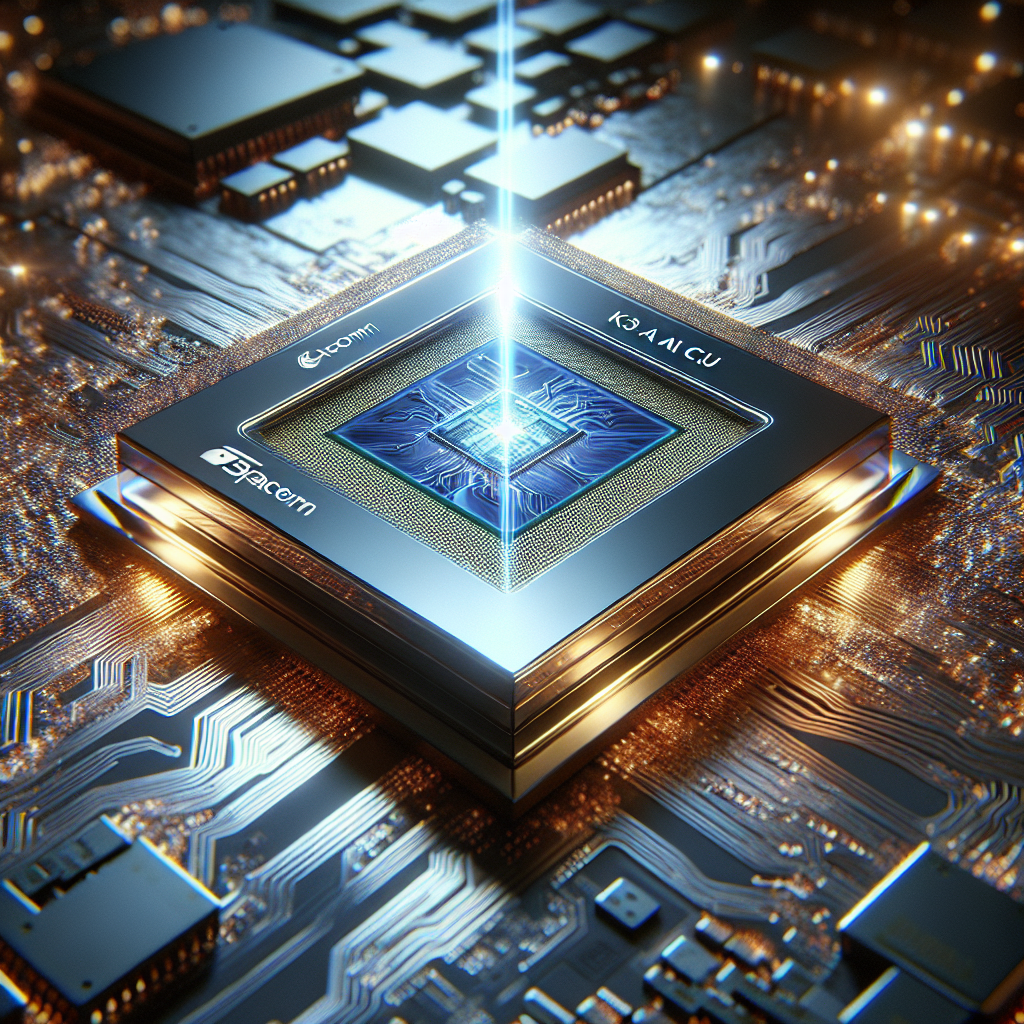
The technology landscape is rapidly evolving, especially in the realm of artificial intelligence and computing architectures. Chinese RISC-V chipmaker SpacemiT is at the forefront of this innovation, having recently unveiled their K3 AI CPU on January 29, 2026. This significant launch highlights both the rise of open-source hardware and the industry’s shift towards more flexible, powerful computing solutions tailored for intelligent devices.
The K3 AI CPU represents a convergence of high-performance computing and artificial intelligence, aiming to enhance how devices perform complex tasks. SpacemiT is leveraging the open RISC-V instruction set architecture, which is increasingly being recognized as a game changer for the next era of computing. For years, the market has been dominated by x86 and Arm architectures, but as AI workloads migrate from centralized cloud environments to local devices, the need for customizable and open computing platforms has soared. RISC-V stands out as an ideal foundation for these evolving ecosystems.
Founded in 2021 and situated in Hangzhou, SpacemiT is one of the few companies committed to a purely RISC-V strategy. This approach seeks to integrate general-purpose computing with specialized AI capabilities on a single chip, marking a departure from conventional designs. The K3 AI CPU, emerging from over 1,200 days of rigorous development, is among the first of its kind to be production-ready, adhering to the RVA23 specification.
Among its impressive specifications, the K3 features eight high-performance X100 RISC-V CPU cores, achieving a maximum clock speed of 2.4GHz. Performance wise, it’s designed to rival Arm’s Cortex-A76, making it a formidable presence in the semiconductor market. In terms of raw compute power, the K3 stands out by delivering up to 60 TOPS of AI performance, enabling it to handle substantial AI models locally. Notably, it caters to applications requiring medium-scale AI computations, supporting models with parameter counts ranging from 30 to 80 billion, all while maintaining a power consumption between 15 and 25 watts.
The K3 also embraces a co-design strategy, integrating hardware and software development to optimize user experience. It supports major AI frameworks and compilers, including Triton and TileLang, and works seamlessly with well-known open-source AI ecosystems and Linux distributions. This dual focus on hardware and software aims to dismantle barriers to deploying AI models on RISC-V, making the transition smoother for developers familiar with x86 and Arm environments.
Chen Zhijian, the founder and CEO of SpacemiT, articulated a compelling vision during the product launch, stating that the long-term trajectory of computing architectures is a shift from closed to open systems. In this context, RISC-V serves as a fully open instruction set compared to the highly closed nature of x86 and the semi-open structure of Arm. This strategic pivot towards open-source frameworks represents not just a technological evolution but also a cultural shift within the computing industry.
The implications of SpacemiT’s K3 unlock numerous possibilities for businesses leveraging AI and machine learning. When combined with its cost-effectiveness and energy efficiency, the K3 CPU could pave the way for smaller enterprises and startups to adopt advanced computational capabilities without incurring the high costs associated with traditional high-end processors. As industries from automotive to consumer electronics begin integrating more local AI functionalities, SpacemiT’s innovations could disrupt established norms and democratize access to powerful AI tools.
In summary, the launch of the K3 AI CPU from SpacemiT marks a crucial step in the evolution toward more open and adaptable computing architectures. This development not only reshapes competitive dynamics within the semiconductor industry but also propels advancements in intelligent computing solutions. It underscores the importance of open-source standards in fostering innovation and highlights the potential rewards awaiting businesses that embrace these new technologies.
-
MITO AI raised $4.5 million to launch project-management software for filmmakers. Read its pitch deck.

In an era where technology is rapidly transforming creative industries, a new player is emerging in the form of MITO AI, a startup that has recently secured a significant $4.5 million in pre-seed funding led by Lightspeed Venture Partners. This innovative platform is set to revolutionize the way filmmakers work, offering a comprehensive project management tool specifically designed to cater to the evolving demands of generative AI filmmaking.
As artificial intelligence increasingly influences video production capabilities, MITO AI provides filmmakers with a unique platform to storyboard, organize, and generate AI assets all in a single, cohesive environment. The startup is launching its platform after extensive testing with approximately 200 beta partners, paving the way for a novel approach to content creation.
According to cofounder Iñaki Berenguer, MITO’s tools integrate seamlessly with various machine learning models related to video, audio, and imagery, thereby creating an “infinite canvas for collaboration and experimentation.” This innovative approach allows creators to craft longer projects by assembling shorter AI-generated segments, a feature that sets MITO apart from other AI video generators that typically limit creators to short-form content.
Among its offerings, MITO AI includes collaborative functionality, such as commenting features, allowing team members to easily communicate and share ideas throughout the creative process. Furthermore, it provides direct integrations with platforms like Runway, Veo 3, ComfyUI, and Pika, which supply creators with tools to define and produce AI assets that align with their film projects’ unique styles.
The context in which MITO AI is launching is notable. The media industry is currently experiencing significant shifts as Hollywood and advertising professionals begin to explore the potential of AI tools for digital effects and advertising. Independent creators are also eager to leverage AI technology to enhance their video productions without incurring excessive costs. However, the rise of such advancements in AI has raised concerns among actors, animators, and other creative professionals who are apprehensive about the technology’s capacity to replace traditional jobs.
Despite the competitive landscape dominated by established institutions like Adobe, MITO AI is carving out its niche within a burgeoning category that includes a wave of new startups. One such competitor, FLORA, recently raised a whopping $42 million in funding, underscoring the high stakes and immense interest in AI-assisted creative tools.
The successful fundraising and upcoming launch of MITO AI give it a distinctive advantage in the creative technology market, aiming to streamline operations and enhance productivity for filmmakers in the process. As the project management software becomes available, those in the industry will undoubtedly be watching to see how it can facilitate innovative storytelling while addressing the real concerns about job displacement and the implications for creators.
For those interested in diving deeper into MITO’s vision and the funding process that brought it to life, the startup has shared its pitch deck, which outlines its business model and strategic direction, although some details have been omitted for confidentiality reasons.
The launch of MITO AI is a timely reminder of the ever-evolving landscape of AI in creative fields. As filmmakers and other creators begin embracing these new tools, the balance between harnessing technology and preserving the essence of creative work remains a crucial dialogue in the industry. In many ways, MITO AI is not only poised to be a valuable resource for filmmakers but also to play a vital role in shaping the future of video production by merging creativity with advanced technological capabilities.
-
Kearney turns to AI to eliminate human bias in consulting hiring

Kearney, a leading global consulting firm, has embarked on a groundbreaking initiative to revolutionize its hiring processes through the application of artificial intelligence (AI). What began as a pilot program in India is poised to redefine how Kearney evaluates candidates and ultimately selects talent, aiming to eliminate human biases that have historically influenced hiring decisions.
This innovative approach involves meticulously mapping the career trajectories of thousands of candidates who have applied to Kearney over the years. As part of the effort to enhance selection accuracy, the firm is leveraging AI tools to conduct interviews, ensuring a more objective assessment of potential hires. Siddharth Jain, the managing partner and country head at Kearney India, highlighted the significance of this initiative, stating that it offers valuable insights into their past hiring processes, allowing the firm to understand the effectiveness of its selection methods.
The primary objective behind Kearney’s new hiring mechanism is to eradicate hiring mistakes, specifically what are known as type-1 and type-2 errors. Type-1 errors occur when promising candidates are overlooked, while type-2 errors refer to the selection of unsuitable candidates. By employing AI tools, Kearney aims to create a nearly perfect recruitment process that identifies the best-fit candidates. With many firms in the consulting sector grappling with fierce competition for talent, it’s imperative for them to perfect their hiring strategies to secure the brightest minds in the industry.
Experts in the field, such as Kaushik DasGupta, managing partner for executive search firm Odgers, have noted that AI tools are instrumental in eliminating biases based on social, gender, or conceptual preconceptions. These tools not only aid in recognizing inconsistencies in candidate responses but also automate the initial sifting process, ensuring a fairer evaluation. As companies adopt AI assessments in later interview rounds, they are validating the effectiveness of their prior selections and aiming for unbiased hiring outcomes.
The adoption of this AI-driven hiring method comes at a critical moment in the consulting sector. Major firms like Bain & Co., Boston Consulting Group, McKinsey, and Accenture are also actively recruiting fresh talent from prestigious institutions such as the Indian Institutes of Management (IIMs). With the increasing complexity of AI-driven projects, India is gaining prominence, and many global initiatives are spearheaded by teams from the country. This scenario has intensified the competition for top talent, emphasizing the need for innovative hiring strategies.
Kearney’s pilot program is not just focused on enhancing accuracy through technology—it also streamlines the recruitment process. Candidates will be required to upload their resumes and video messages, with AI handling the initial evaluations. Jain pointed out that studies undertaken during this pilot have indicated a higher accuracy in candidate assessments, largely due to the elimination of human bias during the evaluation process.
As Kearney continues to refine its AI-driven hiring practices, it is important to note that the full implementation of this program is still underway. While the initiative began in 2025, the firm is working diligently to integrate AI tools into various stages of recruitment. This progressive approach signals a shift in the consulting industry’s hiring paradigm, where data-driven methods are becoming increasingly vital.
The implications of Kearney’s experiments go beyond merely enhancing hiring accuracy; they underscore a growing trend towards using technology to cultivate a more equitable and transparent hiring landscape within the consulting sector. As AI tools gain traction in recruitment, the potential for a more diverse and capable workforce increases, fostering a competitive advantage in the fast-evolving landscape of consulting services.
Overall, Kearney’s innovative steps toward eliminating hiring biases through AI represent a significant leap forward in consultancy recruitment. This initiative not only has the potential to transform their internal processes but could also set a new standard in the industry, benefitting businesses and candidates alike.
-
Congatec conga-TCRP1 COM Express Type 6 module features AMD Ryzen AI Embedded P100 SoC with 50 TOPS NPU

The world of embedded computing continues to evolve at an astonishing pace, and a remarkable new entrant has emerged on the stage: the Congatec conga-TCRP1. This COM Express 3.1 Type 6 Compact module is powered by the latest AMD Ryzen AI Embedded P100 Series processors, marking a significant leap forward in computing performance and efficiency.
The Ryzen AI Embedded P100 processors harness the advancements of AMD’s Zen 5 architecture, integrating cutting-edge RDNA 3.5 graphics and an XDNA 2 Neural Processing Unit (NPU) capable of delivering up to 50 TOPS (Tera Operations Per Second). All in all, it provides a total of 59 TOPS of combined AI performance. This level of capability is crucial for applications requiring intensive data processing, machine learning tasks, and artificial intelligence, making it an ideal choice for developers looking to harness AI in their products.
One of the standout features of the Congatec conga-TCRP1 is its flexibility in configuration. It supports up to 96 GB of DDR5-5600 memory, making it suitable for high-performance tasks that demand significant memory bandwidth. The module is offered in both 4-core and 6-core variants, with a configurable Thermal Design Power (TDP) range of 15 W to 54 W. This adaptability allows designers to take advantage of either passive or active cooling solutions, depending on their application’s needs.
Beyond raw processing capabilities, the Congatec conga-TCRP1 module is designed with practical use cases in mind. It supports an impressive selection of input/output options, including connectivity for up to four independent display outputs, PCIe Gen4 interfaces for high-speed data transfer, and multiple USB ports including USB 3.2 Gen 2 and USB 2.0. This versatility enables the module to be integrated seamlessly into a variety of systems, enhancing its value proposition for businesses focused on developing industrial and embedded solutions.
Another notable aspect of this module is its networking capabilities. The onboard Intel i226 2.5GbE Ethernet controller offers enhanced connectivity, allowing for greater data throughput and faster communication between devices. Given the increasing demand for high-speed networking in industrial applications, this feature positions the Congatec conga-TCRP1 well within the competitive landscape.
The module is not just about performance; it also emphasizes reliability and security. With features like TPM 2.0 for enhanced security, UEFI firmware, and hardware monitoring capabilities, companies can ensure that their systems remain robust and secure. This is of paramount importance in industrial applications, where downtime can have significant financial repercussions.
Operating temperature is another critical factor for many embedded systems, and the Congatec conga-TCRP1 does not disappoint. It is available in commercial variants with a temperature range of 0°C to +60°C, while industrial variants expand that range to withstand temperatures from -40°C to +85°C. Such a wide operational range makes it suitable for a myriad of applications in challenging environments.
In terms of commercial implications, the advancements offered by the Congatec conga-TCRP1 are poised to make a substantial impact in sectors such as robotics, automation, smart factories, and edge computing. Companies looking to deploy AI-driven systems will find this module offers the processing power necessary to operate sophisticated algorithms and data models effectively.
In conclusion, the Congatec conga-TCRP1 COM Express module is a quantifiable step forward in embedded computing technology, equipped with high-performance capabilities that cater to the needs of today’s industrial applications. Its blend of significant processing power, memory capacity, flexible design, and robust security features makes it a strategic asset for any business leader, product builder, or investor keen on leveraging AI technologies in their solutions.
-
AI reveals 800 never-before-seen ‘cosmic anomalies’ in old Hubble images

The vast expanse of the universe holds countless mysteries, many of which are hidden in the historical data collected over decades. However, the complexity of analyzing this data is akin to finding a needle in a cosmic haystack. Recently, astronomers have turned to artificial intelligence, leveraging its power to uncover over 800 never-before-seen ‘cosmic anomalies’ from archival images captured by the Hubble Space Telescope.
Researchers at the European Space Agency (ESA) implemented an advanced AI tool designed to carefully sift through nearly 100 million image cutouts within the Hubble Legacy Archive, a repository of astronomical data that dates back as far as 35 years. Astonishingly, this remarkably efficient AI completed the analysis in just two and a half days—a task that would have taken human researchers years to achieve, showcasing the transformative potential of AI in space science.
This groundbreaking study revealed more than 1,300 ‘anomalous objects,’ which included various captivating formations such as galaxy mergers and jellyfish galaxies, aptly named for their trailing streams of gas. Among the numerous discoveries were significant numbers of potential gravitational lenses, which are regions in space where a massive object distorts the light from a background source. The AI unveiled over 800 phenomena that had never been previously cataloged or described, expanding our understanding of cosmic structures and behaviors.
This innovative approach not only demonstrates the capabilities of AI in astronomical research but also sets a precedent for future studies in other scientific fields. ESA data scientist and co-author of the study, Pablo Gómez, noted that this method could serve as a model for exploring other large datasets in space science. By employing machine learning algorithms, researchers can delve into the extensive archives that have accumulated over the years, opening new pathways for exploration and discovery.
Published last month in the journal Astronomy & Astrophysics, this research continues to build on the legacy of the Hubble Space Telescope, which has revolutionized our understanding of the cosmos since its launch in 1990. The telescope has provided invaluable insights into the formation, evolution, and behavior of galaxies, stars, and other celestial objects. By utilizing AI, scientists are now capable of analyzing vast amounts of data at unprecedented speeds, potentially leading to discoveries that could reshape our understanding of the universe as we know it.
Moreover, the implications of this research extend beyond astronomical exploration. The techniques developed for analyzing cosmic images have potential applications in various industries and domains. For instance, similar AI methodologies could be applied to medical imaging, environmental monitoring, or even financial data analysis, enabling organizations to gain insights from complex datasets efficiently.
With over 800 new cosmic anomalies identified from historical datasets, this study underscores the importance of innovative technologies in uncovering the secrets of the universe. The intersection of artificial intelligence and astrophysics presents a promising avenue for future discoveries, demonstrating that there are still countless mysteries waiting to be revealed in the cosmic tapestry.
As this technology matures, we expect to see an increase in collaborative projects between astronomers and AI specialists, ensuring that the rich data collected over decades will continue to yield exciting new findings. The union of AI and astronomy could lead to a new era of scientific inquiry, one where the challenges posed by vast datasets are met with cutting-edge technological solutions. This promising synergy not only benefits scientific endeavors but also stands to increase our collective understanding of the universe’s intricate workings.
In conclusion, the intersection of artificial intelligence and cosmic exploration highlights the profound potential that technology holds for uncovering the mysteries of the universe. The power of AI to analyze and extract valuable insights from complex datasets paves the way for an exciting future in astrophysics and beyond, where the pursuit of knowledge remains relentless and awe-inspiring.
-
Ivanti expands Neurons platform with agentic AI and autonomous endpoint management

In a significant advancement for IT and security teams, Ivanti announced new features for its Ivanti Neurons platform that leverage AI-driven intelligence to facilitate impactful business outcomes. This latest iteration introduces agentic AI capabilities for IT Service Management (ITSM), alongside pioneering autonomous endpoint management (AEM) and enhanced asset visibility via Ivanti Neurons for Discovery. These innovations are designed to drive greater efficiency, deliver deeper insights, and minimize risk for organizations navigating the challenges of modern technology management.
As articulated by Dennis Kozak, CEO of Ivanti, the company’s vision aims to revolutionize how organizations utilize intelligence to achieve tangible results. He emphasizes that Ivanti’s focus is on practical innovation, embedding AI directly into the daily workflows that customers depend on. The Ivanti Neurons platform stands as a unique offering, combining autonomous endpoint management, IT service management, and security into a singular, AI-powered solution. This comprehensive approach allows businesses to enhance their AI capabilities while adapting to evolving operational demands.
The introduction of agentic AI for ITSM is particularly noteworthy. Built on Ivanti’s Conversational AI Framework, this feature introduces persona-based agents that will streamline the service management experience. These intelligent agents are set to provide autonomous, goal-oriented interactions, drastically improving resolution times and alleviating the burden on service desk teams. By shifting from reactive support to proactive, context-aware service, these agents will handle incidents and requests seamlessly via natural conversational interfaces. A customer preview of this solution is expected to launch in the first quarter of 2026, with general availability anticipated later that same year.
Moreover, Ivanti’s Autonomous Endpoint Management brings a transformative approach to how IT teams oversee and secure devices within their network. By integrating Digital Employee Experience (DEX), Unified Endpoint Management (UEM), and security into one framework, AEM utilizes AI-driven automation paired with real-time data to manage and remediate endpoints autonomously. This proactive management enhances risk reduction, augments efficiency, and ultimately improves the employee experience by ensuring that devices are secure and functional.
Another critical addition is the asset visibility and exposure aggregation capabilities that unify software estate data with exposure management. Through Ivanti Neurons for Discovery, teams will gain comprehensive insights into their asset landscape. This feature includes embedded license management tools and unified risk insights, allowing organizations to maintain real-time visibility, enhance cost control, and centralize vulnerability management efforts across all assets. Such visibility is crucial for mitigating risks and ensuring optimal operational performance.
Robert Hanson, the Chief Information Officer at Grand Bank, underscores the importance of integrating agentic AI into the ITSM framework, noting that this advancement signifies a transformative leap in service delivery. With a focus on self-service automation powered by natural language processing, as well as intelligent auto triage and routing features, Ivanti aims to provide uninterrupted support while enabling service desk teams to concentrate on more complex challenges.
Overall, Ivanti’s latest advancements signify a substantial leap towards intelligent automation in IT service management and endpoint management, addressing the practical needs of organizations in today’s complex technology landscape. As AI continues to reshape business processes, Ivanti’s innovations highlight the importance of embedding intelligence into everyday operations, offering organizations the tools necessary to not only respond to challenges but to anticipate and navigate them effectively.
-
Nvidia unveils AI models for faster, cheaper weather forecasts

In a groundbreaking announcement at the American Meteorological Society’s annual meeting, Nvidia has unveiled three innovative open-source artificial intelligence models designed to revolutionize the field of weather forecasting. The development, showcased on January 26, positions Nvidia as a pivotal player in labor-intensive sectors like meteorology, aligning with its broader strategy to lend its advanced computational power to various applications, ranging from conversational AI to autonomous vehicles.
The newly introduced AI models aim to significantly reduce the time and costs associated with traditional weather simulations, which are often both cumbersome and expensive. By harnessing AI, Nvidia proposes an alternative that not only rivals but in some cases exceeds the accuracy of established methods. This advancement addresses the critical need for more agile and cost-effective solutions in predicting weather phenomena, a necessity given the increasing frequency of extreme weather events.
Mike Pritchard, Director of Climate Simulation Research at Nvidia and a professor at the University of California, Irvine, emphasized the practical implications of these models for industries like insurance. Understanding extreme outlier events—be it catastrophic floods or hurricanes—has historically demanded significant resources. Traditional forecasting, which relies heavily on generating multiple predictive simulations known as ensembles, can hinder timely decision-making due to its inherent complexity and cost.
With AI’s capabilities, Pritchard notes a remarkable evolution: “The tension is gone, because once trained, AI is 1,000 times faster.” This immense speed allows for the operation of large ensembles with thousands of member predictions, drastically improving the granularity and depth of forecasts. Insurance companies, which often rely on these detailed predictions to assess risk and manage claims, can now implement ensembles surpassing 10,000 members, resulting in enhanced precision for forecasting extreme weather events.
Nvidia’s flagship AI models, branded as the “Earth-2” models, include a suite of tools tailored for diverse forecasting needs. One model focuses on creating detailed 15-day weather forecasts, while another specializes in real-time predictions of severe storms, effective up to six hours in advance across the United States. The third model is designed to integrate data from various weather sensors, enhancing the input quality for more accurate predictive modeling.
This initiative underscores a much-needed shift in the meteorological domain, moving away from outdated, labor-intensive methodologies towards a future driven by cutting-edge AI technology. The implications extend beyond merely providing weather forecasts; they set the stage for transformative practices across multiple sectors where weather impacts decision-making, including agriculture, logistics, tourism, and emergency services.
Moreover, the open-source nature of these AI models signifies Nvidia’s commitment to democratizing access to advanced modeling tools, fostering collaboration within the scientific community, and encouraging other entities to build upon their framework. By making these models available, Nvidia allows institutions, researchers, and businesses to tailor the technology to their specific needs, effectively customizing forecasts that address localized phenomena.
In conclusion, as climate variability continues to pose unprecedented challenges globally, Nvidia’s AI-driven models represent a critical advancement toward more efficient and reliable weather forecasting. By lowering costs, increasing speed, and enhancing accuracy, these tools could herald a new era in meteorological science and its applications, particularly in fields such as insurance that hinge on timely and accurate weather data.
-
Thaipusam: AI tracking added to 132-year-old Penang silver chariot procession

The integration of artificial intelligence into traditional events represents a significant advancement in cultural practices. This year, the Thaipusam festival in Penang takes a technological leap with the introduction of an AI-enhanced chariot tracking system for the historic Silver Chariot procession. This initiative, officially launched by the Penang Waterfall Nattukotai Chettiar Temple, underscores the blend of tradition and innovation, allowing devotees to stay connected with the procession in real-time.
Managing trustee PRC Veerappan announced the new tracking system, which provides real-time location updates and estimated arrival times for followers of the procession. This feature aims to enhance the experience for devotees, ensuring they can time their arrivals and participate without the uncertainty that typically accompanies large gatherings. The system, launched under the new domain “Silver Chariot Penang,” utilizes data collected over the past two years, ensuring highly accurate timing predictions.
The Silver Chariot itself is a monument of heritage, having been built in Karaikudi, Tamil Nadu, India, and transported to Penang in January 1894. Celebrating its 132nd year, the chariot visually and spiritually represents the convergence of community, devotion, and culture. This year’s procession showcases not only the longevity of the event but also its ability to evolve in the face of modern technologies.
Veerapan highlighted the deep-rooted cultural significance behind the chariot, which stands at an impressive height of 23.9 meters and weighs five tonnes. The historical narrative is maintained through the dedication of volunteers who engage in meticulous upkeep of the chariot’s silver components. Families have passed down the responsibility of maintaining the chariot across generations, emphasizing a commitment to heritage intertwined with community participation.
In preparation for Thaipusam, volunteers have been working tirelessly for weeks, ensuring that the chariot is in flawless condition, performing tasks such as greasing and polishing the silver components. This serves as not just a preparation ritual, but also as a means to reaffirm their cultural identity within the community.
The procession features 16 pairs of bulls, rotated every 500 meters to prevent fatigue and ensure the welfare of the animals. This practice counteracts misinformation that suggests a limited number of bulls are used throughout the journey. The route of the procession remains unchanged, winding through key streets in Penang, illustrating the significant role of local geography in the cultural narrative.
As the temple has formally requested an earlier start time of 5:30 am on January 31, the organizers aim to reduce delays and facilitate smooth conduct of religious rituals at the temple. This consideration for logistics, paired with technological innovations, demonstrates a keen understanding of the dynamics involved in managing large-scale cultural events.
The return journey is equally planned, with the chariot expected to leave the Nattukotai Chettiar Temple at 6:30 pm on February 2, reaching the Nagarathar Kovil Veedu Temple by the following morning. This meticulous planning ensures that devotees participating in the festival experience joy and reverence throughout the celebrations.
One distinguishing element of the Thaipusam celebration in Penang is its unique observation date, noted as ‘Chetti Pusam,’ which showcases a separate procession by the Chettiar community. This procession features approximately 90 peacock kavadis, further enriched since 2017 by the introduction of a golden chariot bearing the vel, the sacred weapon of Lord Murugan. These elements contribute to the vitality and vibrancy of the festival, bringing an added dimension to the experience.
In conclusion, the combination of a rich heritage with cutting-edge technology such as AI not only revitalizes traditional practices but also engages a broader audience in cultural celebrations. This innovative tracking system symbolizes modernization, ensuring that time-honored traditions remain relevant in the evolving landscape of societal practices.
-
Microsoft unveils first robotics model targeted at boosting physical AI in a bid to free robots from the production line

Microsoft is ringing in a new era for robotics with the introduction of its first model, Rho-alpha, designed to integrate advanced language understanding directly with robotic motion control. Traditionally, robots have thrived in controlled environments such as assembly lines, where every element is predictable, resulting in high reliability. However, their performance often deteriorates in less structured settings. This limitation highlights a critical gap in robotic capabilities that Microsoft aims to address.
Rho-alpha stands as a pioneering example within Microsoft’s Phi vision-language series, demonstrating a significant shift in how robots perceive and execute tasks. Instead of functioning solely on rigid pre-programmed instructions, this innovative model is positioned to adapt to dynamic and varied environments, thus enhancing its utility beyond conventional manufacturing settings.
The core of Rho-alpha lies in its capacity to merge language, perception, and action into a seamless workflow. This means that natural language commands can be translated into robotic controls, effectively allowing the robots to perform complex bimanual manipulation tasks that depend on the coordination of dual robotic arms. The implications of this advancement are vast, potentially enabling robots to assist in rehabilitation, domestic chores, or other hands-on applications requiring adaptability and finesse.
In a world where the convergence of AI and robotics is not just imminent but transformative, the announcement of Rho-alpha is particularly timely. Ashley Llorens, Corporate Vice President at Microsoft, underscored that the emergence of vision-language-action (VLA) models is pivotal for enhancing autonomy in robotic systems when engaging with humans in less structured contexts. This leap towards physical AI represents an interdisciplinary approach concentrating on deepening the interaction between software intelligence and physical actions.
Rho-alpha also leverages tactile sensing alongside visual inputs, incorporating modalities like force feedback as part of its ongoing evolution. This design decision could significantly bridge the experiential divide that currently exists between simulated intelligence and real-world physical interaction. However, the effectiveness of these new features continues to be evaluated, and empirical data on their real-world applicability is essential.
One of the significant hurdles in advancing robotic systems is the lack of extensive and diverse real-world datasets, particularly involving tactile data. To mitigate this shortcoming, Microsoft employs sophisticated simulation techniques, utilizing Nvidia’s Isaac Sim to generate synthetic datasets that mirror real-world scenarios. By implementing reinforcement learning strategies alongside actual physical demonstrations, Microsoft Research is aiming for a robust data foundation necessary for training versatile robotics models like Rho-alpha.
Deepu Talla, Vice President of Robotics and Edge AI at Nvidia, pointed out that creating foundation models capable of reasoning and acting autonomously necessitates overcoming the scarcity of diverse, real-world data. This is where the integration with Azure and Nvidia’s simulation tools plays a crucial role, allowing for the rapid creation of physically accurate synthetic datasets. This blending of simulated and real data is poised to accelerate the effective development of robotic capabilities, significantly enhancing flexibility and application across sectors.
As businesses observe the evolution of robotics intertwined with advancements in AI, the path laid out by Microsoft through Rho-alpha not only promises operational improvements but opens avenues for innovative applications in numerous fields. The aim is clear: to evolve the concept of robotics from simple, predictable tasks into intelligent systems that can adapt, learn, and collaborate with humans in varied environments, heralding a new dawn for automation.