
-
Hangzhou debuts first robot traffic officer powered by AI

In a significant advancement in urban management, Hangzhou has introduced its first AI-powered traffic officer, Hangxing No. 1. This innovative robot is designed to enhance road safety and streamline traffic flow, marking an important shift toward automation in city infrastructure.
Launched under the auspices of the Hangzhou Traffic Police Tactical Unit, Hangxing No. 1 made its debut on December 1, specifically in the bustling Binjiang district. This cutting-edge robot is strategically positioned at one of the city’s busiest intersections, adding a contemporary and futuristic element to urban transport management.
Equipped with high-definition cameras and an array of sensors, Hangxing No. 1 has been programmed to assist human officers in directing both pedestrian and vehicular traffic. The robot’s movements in directing traffic—such as gestures for “go straight” or “stop”—are directly modeled on the actions of real traffic officers. This design choice not only lends credibility to its authority but also facilitates seamless integration with existing traffic signal systems.
One of Hangxing No. 1’s most impressive features is its real-time violation detection capability. The AI system is adept at identifying various traffic infractions, such as motorcyclists riding without helmets, vehicles that breach stop lines, and pedestrians who jaywalk. In instances of rule-breaking, the robot engages its intelligent voice system to deliver immediate and polite reminders, helping to foster a culture of compliance amongst road users.
What sets Hangxing No. 1 apart is its potential for continuous learning. As the robot operates at real-life intersections, it is designed to refine its capabilities based on the traffic patterns it encounters. Currently, its primary function is traffic management, but future enhancements could see it gaining advanced Large Language Model (LLM) capabilities. These improvements would allow the robot to provide directions, disseminate safety educational content, and engage in more complex interactions with drivers and pedestrians alike.
Despite the groundbreaking nature of Hangxing No. 1, specific details regarding its battery life have not been disclosed. However, it has been reported that similar robots in other provinces typically have an operational lifespan of 6 to 8 hours per charge, indicating that Hangxing No. 1 will likely possess comparable endurance.
The deployment of this AI-powered traffic robot highlights the evolving landscape of urban management and the increasing role of technology in enhancing public safety. As cities worldwide grapple with traffic congestion and safety issues, innovations like Hangxing No. 1 offer promising solutions. The integration of AI in everyday functions provides a clear example of how automation can improve efficiency and effectiveness in public services.
Not only does Hangxing No. 1 symbolize a leap forward for Hangzhou, but it also sets a precedent for other cities considering the adoption of similar technologies. The ripple effect of such advancements could lead to widespread changes in how urban environments manage traffic, contributing to safer and more efficiently run cities.
As Hangzhou continues to test and refine Hangxing No. 1, the observations and data collected during trial runs will be invaluable. They will serve to inform future enhancements and adaptations of robotic assistance in traffic management and potentially beyond, laying the groundwork for a future where AI plays an integral role in urban living.
-
AI-powered studio Mugafi partners with Avalanche to tokenize entertainment IP

Mugafi, a pioneering AI-driven platform based in India, is making headlines with its recent partnership with Avalanche, a leading blockchain network. This collaboration aims to revolutionize the entertainment industry by tokenizing intellectual property (IP) related to films, anime, music, and other media assets. By leveraging blockchain technology, Mugafi is set to enable creators to finance and distribute their projects directly on-chain, which is expected to facilitate a major shift in how entertainment assets are managed and monetized.
The initiative is not merely theoretical; according to early projections, Mugafi and Avalanche are planning to finance over $10 million in entertainment IP, with ambitious long-term goals that target more than $1 billion in annual financing throughput. Such numbers indicate a substantial investment in digitizing and tokenizing entertainment assets, signaling a new era for creatives and investors alike.
Mugafi’s approach utilizes advanced AI systems trained on thousands of scripts and narrative structures. These systems play an essential role in evaluating potential projects, ensuring that only the most promising and viable ideas are brought on-chain for financing. This AI-driven evaluation mechanism is designed to identify the requisite criteria that make projects successful, reducing risks for investors and increasing the likelihood of project success.
One of Mugafi’s notable projects is ‘Kuberaa’, slated for release in 2025, which has already garnered attention with a reported $35 million in box office collections. The film was also distributed via popular streaming platform Amazon Prime Video. This success showcases the potential of integrating AI and blockchain technology within the traditional dynamics of the entertainment industry.
Beyond merely financing projects, the Mugafi-Avalanche partnership represents a broader trend in the entertainment sector as numerous creators and platforms increasingly explore the utility of tokenization and blockchain for rights management. By bringing entertainment IP on-chain, the collaboration could streamline processes and create a more effective means of managing IP rights, potentially reshaping the dynamics of creative work ownership.
The blockchain industry has seen numerous initiatives striving to tokenize entertainment content. For example, Animoca Brands recently partnered with Ibex Japan to launch a Web3 entertainment fund aimed at securing Japan’s anime and manga IP. Through such initiatives, there’s a concerted effort to unlock value from previously underutilized IP catalogs, thereby democratizing access for creators.
Mugafi’s innovative strategy illustrates how AI and blockchain can intersect to open new avenues for creators and investors. The company plans to create over 1,500 opportunities for creators and studios across various regions, including India, North America, Japan, and Korea. This expansion into diverse markets will likely foster cross-cultural collaborations, enhancing the variety and richness of the content produced.
As the partnership progresses, new roles across multiple disciplines—including AI specialists, production experts, blockchain developers, and compliance officers—will emerge. This presents not only a significant development in the employment landscape within creative industries but also highlights the ongoing need for expertise in navigating this new tech-driven future.
Furthermore, the partnership stands as a testament to the growing recognition among traditional media players about the potential benefits of integrating AI and blockchain technologies. As AI continues to demonstrate capabilities in content evaluation and decision-making, and blockchain offers a transparent and efficient method for managing IP, the combined strengths of both technologies may redefine the entertainment landscape forever.
While the specifics of how the partnership will function remain to be seen, its potential impact on the financing, distribution, and management of entertainment assets promises to reshape the industry. Through the synergy of AI insights and blockchain efficacy, Mugafi and Avalanche are poised at the forefront of this transformative journey, paving the way for a more accessible, equitable, and innovative entertainment future.
-
Cristiano Ronaldo invests in Perplexity AI, announces brand collaboration for digital hub — What we know

In a remarkable fusion of sports and technology, Cristiano Ronaldo, the legendary footballer, has announced his investment in the artificial intelligence startup Perplexity AI. This strategic partnership emerged on December 4th, when Perplexity officially revealed Ronaldo’s involvement. The collaboration is described as a significant step in aligning Ronaldo’s legacy of self-improvement with advanced AI technology, specifically a platform that serves as an AI answer engine.
The motivation behind this partnership is intriguing; Perplexity AI claims that Ronaldo is not just a financial backer but also a user of their platform. He reportedly relies on Perplexity AI during crucial moments, such as award speeches and high-profile announcements, where timely and accurate information is paramount. This endorsement from a figure as prominent as Ronaldo adds substantial credibility to the startup’s technology.
Ronaldo took to social media to express his enthusiasm, stating he is “proud” to be associated with Perplexity AI. This announcement marks the beginning of a long-term vision, one crafted to integrate Ronaldo’s illustrious football journey into the digital age. The initiative includes the launch of the “Perplexity x CR7” digital hub, which promises an immersive experience for fans of the football superstar.
The “Perplexity x CR7” hub is designed to be an interactive space where fans can engage with over two decades of Ronaldo’s career. Visitors can explore rare images, browse curated questions, watch iconic goals, and uncover the stories behind these memorable moments. The digital hub symbolizes a convergence of technology and sports, offering fans a new way to connect with their idol.
In addition to the exciting collaboration with Ronaldo, Perplexity AI recently announced the launch of a conversational shopping assistant. This feature, which debuted on November 26th, is built to enhance the user experience on both desktop and mobile platforms. It utilizes natural language processing to provide tailored product recommendations based on individual user queries.
This AI shopping assistant is innovative in that it adapts to users’ preferences and remembers their past searches. For instance, if a user inquires about a desk lamp, the assistant will recommend options that align with the user’s aesthetic rather than generic options based on advertiser priorities. This personalized approach not only reflects the advancement of AI in retail but also positions Perplexity AI as a forward-thinking player in the tech landscape.
With both the partnership with Ronaldo and the launch of the AI shopping assistant, Perplexity is poised to make a significant impact in the technology sector. Ronaldo’s brand is synonymous with excellence, ambition, and global reach, and his association with Perplexity will likely amplify the startup’s visibility and credibility.
This endeavor signifies a trend where high-profile individuals are increasingly investing in technology companies that promise to reshape industries. It underscores the potential for AI to not only improve user experiences in everyday life but also to serve as a valuable asset in brand partnerships. As the digital landscape continues to evolve, collaborations like this might pave the way for more sports and entertainment figures to engage with technology platforms, creating a mutually beneficial ecosystem.
The implications of this partnership extend beyond just fan engagement. As AI technologies like Perplexity gain traction in various fields, they can revolutionize how consumers interact with brands, tailored experiences becoming the norm rather than the exception. Moreover, this collaboration could serve as a blueprint for other athletes and celebrities seeking to bridge the gap between their personal brands and the technology industry.
For more details, interested parties can explore the dedicated platform at this link. As we observe the outcomes of Ronaldo’s investment, it remains to be seen how this dynamic integration of sports and technology unfolds in practice.
-
The AI race explodes as HPE deploys AMD’s Helios racks, crushing limits with Venice CPUs and insane GPU density
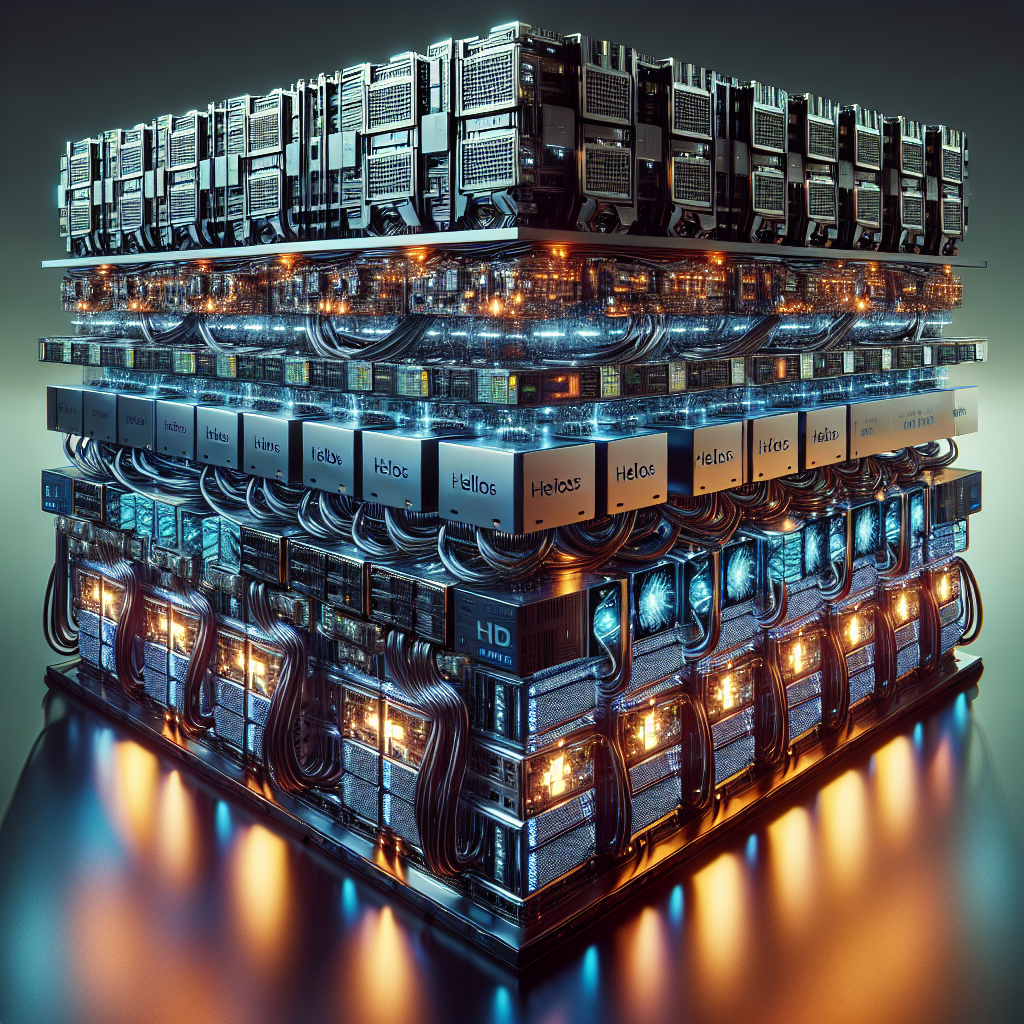
The landscape of artificial intelligence infrastructure is stirring with excitement as HPE, in collaboration with AMD, unveils its ambitious plans to deploy the cutting-edge Helios rack-scale AI architecture. Set to hit the market in 2026, this initiative is aimed at redefining the capabilities of AI workloads by integrating next-generation AMD Instinct accelerators with high-performing Venice CPUs, all delivered in an unparalleled GPU-dense environment.
At the heart of this ground-breaking design is the Helios architecture, which will feature full 72-GPU AI racks. These racks are designed to push the boundaries of performance, targeting an impressive 2.9 exaFLOPS of FP4 compute per rack. With a staggering 31TB of HBM4 memory, the Helios-based systems signify a major leap towards exascale AI performance, providing robust computational resources necessary for advanced AI applications and research.
A key element of Helios’ innovative design is its thermal management system, which leverages liquid cooling and a double-wide chassis to effectively handle the intense heat generated by such high-density configurations. This environmentally conscious approach not only enhances performance but also contributes to sustainability; waste heat from HPE’s GX5000 racks is planned to be utilized for heating campus buildings, showcasing a commitment to energy efficiency in high-performance computing.
One of the noteworthy aspects of the Helios architecture is its ability to integrate workloads across all GPUs seamlessly within a single pod structure. This capability alleviates local bottlenecks that can hinder processing efficiency, thereby enabling smooth execution of complex AI tasks. The system also features a purpose-built HPE Juniper switch that supports Ultra Accelerator Link over Ethernet, establishing a high-bandwidth interconnect for the GPUs, which stands in contrast to Nvidia’s NVLink-centric approach. This new method promises to facilitate scale-out designs that adhere to an open standards framework, making it a more versatile option for enterprises and research institutions.
The increasing performance of HPE’s AI solutions places it in direct competition with industry stalwart Nvidia, whose rack-scale platforms have long dominated the market. The integration of Meta’s Open Rack Wide standard into the Helios reference design reflects a trend toward more open and accessible hardware frameworks, breaking the mold of proprietary systems.
The future will reveal how effectively the Helios architecture performs under sustained multi-node workloads, as results of real-world applications remain untested at this stage. While theoretical comparisons suggest that these systems could match other high-end AI racks in terms of GPU counts, the reliance on a single Ethernet layer raises potential concerns about latency and bandwidth limitations that could affect real-world performance.
As the technology industry gears up for the global availability of Helios-based systems in the coming year, excitement builds among business leaders, product builders, and investors. This announcement underscores a pivotal moment in the AI race, revealing HPE’s strategic intent to expand its offerings and make high-performance AI hardware accessible to a wider array of users. Research institutions and enterprises alike stand to benefit from this enhanced access, propelling innovation and development in artificial intelligence applications.
As HPE and AMD prepare for the rollout of this ambitious architecture, all eyes will be on how effectively Helios can meet its performance targets and carve out a significant presence in the competitive landscape of AI infrastructure. The evolution of technologies like Helios not only signals advancements in computing power but also paints a picture of a future where AI integration into various sectors becomes increasingly practical and efficient.
-
Make Claude Code, 55 Percent Faster at AI Assisted Coding

In the realm of modern programming, speed and efficiency are paramount. What if you could drastically reduce your coding time without sacrificing precision or clarity? For developers working specifically with React, this visionary concept is transforming from hopeful aspiration into tangible reality. Introducing React Grab, an innovative solution designed to redefine the landscape of AI-assisted coding. By leveraging React’s private fiber architecture, this groundbreaking tool doesn’t merely enhance efficiency—it revolutionizes it.
Picture a world where navigating a complex codebase becomes a walk in the park, where pinpointing specific elements takes mere seconds, and where the overall token usage is remarkably reduced—all while preserving the integrity of your development workflow. React Grab brings this vision to life, boasting performance benchmarks that highlight an incredible 55% boost in coding efficiency. It’s not just fast; it’s lightning fast.
This detailed breakdown by the Better Stack team explores the impressive mechanics behind how React Grab achieves these remarkable results. This tool proves to be a game-changer for developers, offering an array of features that streamline complex component hierarchies and enable seamless integration with existing workflows. However, React Grab’s transformative potential comes with its complexities—its dependence on React’s private architecture prompts significant questions about security for conscientious teams.
When working on large-scale applications or tackling intricate UI modifications, React Grab promises a shift in how developers approach coding. Its visually striking performance and advanced capabilities beckon the question: What makes this tool indispensable for modern developers, and is it a perfect fit for your unique workflow? Let’s delve into both the capabilities and considerations associated with this remarkable tool.
Key Features That Set React Grab Apart
To distill the essence of React Grab, here are the key features that contribute to its escalating acclaim in the developer community:
- Increased Coding Efficiency: React Grab enhances coding productivity by an astonishing 55%, streamlining the process of locating elements and reducing token usage—particularly valuable for those utilizing AI-enhanced coding solutions.
- Detailed Component Hierarchies: Utilizing React’s private fiber architecture and integrating the Bippy library, React Grab provides granular insights into component structures, HTML previews, and file location metadata, facilitating precise navigation.
- Customizable Features: The flexibility of React Grab allows developers to adjust overlays and customize actions according to their specific workflows and project requirements, enhancing its versatility.
- Security Awareness: While it offers substantial efficiency benefits, React Grab’s reliance on private architecture raises potential security concerns, making it ideal for developers working within secure environments.
- Framework-Specific Utility: It is important to note that while React Grab excels within React applications, its benefits may be limited for small scale changes or in scenarios where advanced code-scanning tools are already in use.
The true strength of React Grab lies in its ability to expedite the coding process. By eliminating time-consuming file searches and directly identifying the locations of elements within a React application, it saves precious time and minimizes token usage, contributing to cost savings when implementing AI-powered coding tools.
Performance benchmarks vividly illustrate React Grab’s robust capabilities, showcasing up to a 55% enhancement in coding efficiency. This positions it as an undeniably appealing choice for developers seeking to optimize their workflows without compromising precision. Furthermore, its seamless integration into established development processes enhances its status as an invaluable tool in a developer’s toolkit.
In conclusion, React Grab exemplifies the cutting-edge intersection of AI innovation and coding methodology. As developers continue to navigate the complexities of modern programming, tools like React Grab will play an increasingly pivotal role in shaping the future of code development. With its exemplary skills of boosting efficiency, maintaining clarity, and enhancing the user workflow, React Grab stands as a vital asset in the quest for effective coding solutions.
-
Micron To Discontinue Crucial RAMs And SSDs, Pivot Focus To AI Data Centres
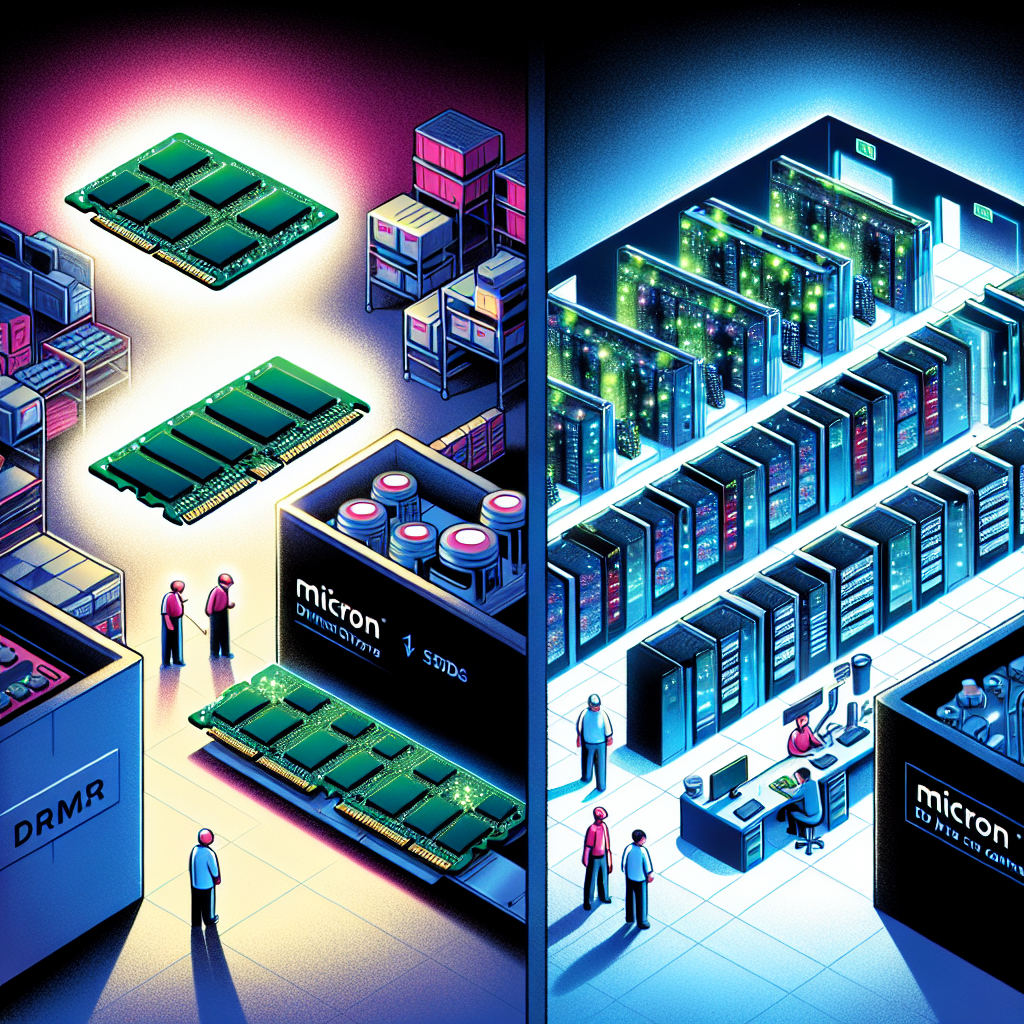
In a significant shift within the tech industry, Micron Technology has announced a strategic move that will greatly impact the consumer memory market. The company is to discontinue its Crucial brand, widely recognized for its RAM and SSD products, in response to the soaring demand for high-performance memory necessary to support burgeoning artificial intelligence (AI) applications.
Micron, a pivotal player in the global semiconductor supply chain, has decided to pivot away from the Crucial consumer brand. This decision means that consumers will no longer find Crucial’s extensive lineup of memory and storage solutions at major retail outlets around the globe. However, Micron has assured existing customers that they will continue to honor warranty services and technical support for products already in circulation.
This major announcement is tied closely to the increasing requirements of AI technologies, which have created an insatiable demand for advanced memory solutions capable of managing complex data workloads. Reports indicate a drastic surge in pricing for RAM, with costs in India skyrocketing from ₹3,000 to ₹10,000 for certain units, demonstrating how strained the market has become under the pressure of AI advancements.
Sumit Sadana, Micron’s executive vice president and chief business officer, elaborated on the reasoning behind this choice, indicating that the demand from data centers necessitated a restructuring of priorities. He stated, “Micron has made the difficult decision to exit the Crucial consumer business in order to improve supply and support for our larger, strategic customers in faster-growing segments.” This remark encapsulates the company’s shift towards aligning its efforts with the needs of the more lucrative data center segment, which is anticipated to experience sustained growth.
The discontinuation of the Crucial brand brings an end to a notable 29-year legacy that resonated with PC enthusiasts and DIY builders alike. Established as a staple in the consumer market, Crucial’s products were synonymous with reliability and performance, often favored by users looking to enhance their desktop systems.
As the dust settles on this transformative announcement, industry observers are left to speculate on the implications for other RAM manufacturers. Competitors such as GSkill and Adata are now under scrutiny, as they may need to reconsider their strategies in light of Micron’s significant pivot. The lasting effects on the broader memory market could be profound, with many questioning whether more companies will follow in Micron’s footsteps.
Moreover, considerations regarding how established brands like Corsair and Gigabyte will respond to these changes are also of utmost importance. With the entire supply chain in flux, the actions taken by these major players will likely influence market dynamics going forward.
Looking ahead, the intersection of hardware and AI technology continues to evolve, shaping an environment ripe with opportunities as well as challenges. As Micron focuses on enhancing its capacity to meet the needs of AI workloads, one can expect a significant reshaping of the tech landscape. Companies aiming to harness the power of AI will require robust memory solutions, and Micron’s strategic pivot signals its determination to capitalize on this emerging demand.
This transition away from consumer products highlights a broader trend within the tech industry: the increasing prioritization of specialized solutions tailored to niche markets. As the competition heats up and the landscape evolves, it remains essential for businesses and investors to stay attuned to these developments, particularly as the AI sector continues to gain momentum.
-
Finexio and RipplePoint Launch Integrated AP Automation for Hospitality

In an era where operational efficiency is key to maintaining profitability, Finexio and RipplePoint have announced a crucial partnership aimed at transforming accounts payable (AP) processes in the hospitality sector. This collaboration brings together Finexio’s innovative Payments-as-a-Service model and RipplePoint’s expertise in expense analytics, resulting in an integrated platform designed specifically for hotels, resorts, and restaurant groups.
According to reports, the hospitality industry, valued at approximately $570 billion, continues to face challenges, particularly with fragmented supplier relationships and cumbersome ownership structures. Operators often find themselves spending an estimated 10 to 15 hours weekly managing manual AP processes. This partnership seeks to alleviate such burdens by automating these workflows, enabling businesses to cut operating costs and potentially unlock new revenue streams.
Finexio’s CEO, Ernest Rolfson, articulated the vision for this partnership, highlighting its role in fundamentally transforming how hospitality businesses manage their financial operations. The initiative promises to reduce costs by 30% to 60% while transitioning AP from being merely a cost center into a source of profit—an appealing proposition amid the increasing pressures of labor costs and financial complexities.
Dustin Reineke, president and CEO of RipplePoint, echoed this sentiment, referring to the partnership as a “watershed moment” for the industry. By combining their resources, the two companies are streamlining expense management and payment processes, which could significantly enhance operational efficiency in the hospitality sector.
A standout feature of the integrated platform is its capability to generate revenue through optimized virtual card programs. By targeting at least 1% cash back on eligible AP expenditures, the solution provides a tangible financial incentive. Beyond this, the automation of AP workflows could cut processing time by an impressive 70%, allowing staff to focus on more strategic tasks rather than getting bogged down in manual data entry and invoice approval.
Enhanced security is another vital aspect of the solution. Utilizing bank-grade fraud protection developed on JPMorgan’s robust infrastructure, hospitality operators can be assured that their financial transactions are safeguarded, reducing the risk of financial loss due to fraud. The integrated analytics and payment data further streamline operations by providing operators with greater visibility into spending patterns and optimization opportunities.
As the solution rolls out, early adopters have reported saving double-digit hours on manual processes weekly, along with immediate cost reductions. This anecdotal evidence speaks to the potential efficiency gains that other hospitality businesses could reap by embracing this technology.
The increasing complexity faced by AP teams—illustrated by research indicating that nearly two-thirds of these teams have reported expanded manual workloads over the past year—underscores the growing urgency for automation in this area. For businesses within the hospitality sector, adopting Finexio and RipplePoint’s integrated solution could unlock significant operational improvements and financial benefits.
The need for effective AP automation solutions is pressing, especially given the continuous evolution of the industry landscape. With technology such as this at their disposal, operators can expect not only to manage costs more effectively but to enhance their value proposition to customers as well. The realignment of AP from a back-office function to a strategic profit generator aligns with the broader trend in business toward leveraging technology for improved operational outcomes.
In conclusion, the collaboration between Finexio and RipplePoint stands as a critical milestone for the hospitality sector. With a well-defined target to aid operational efficiency, reduce costs, and improve financial trackability, the integrated AP automation solution seeks to redefine how hospitality operators manage their financial landscapes. As more businesses grapple with rising costs and seek ways to optimize their operations, solutions like this may become not just beneficial but essential.
-
AI Agent Designed To Learn How You Work – Inside Amazon’s ‘Kiro’ Project

In a groundbreaking announcement, Amazon Web Services (AWS) unveiled its latest advancement in artificial intelligence: a series of agentic AI models known as “frontier agents.” At the forefront of this initiative is “Kiro,” a software-oriented AI agent designed to learn from the user’s workflow, thereby intelligently informing its operations. This innovative approach marks a significant leap in the realm of AI, showcasing the ability of technology to adapt and optimize based on how individuals engage with their work.
These frontier agents are described by AWS as autonomous, scalable, and independent systems, capable of performing multiple tasks with minimal human intervention. Such capabilities are essential in today’s fast-paced and demanding business environments where efficiency and adaptability are critical for success. The introduction of Kiro highlights the growing trend of leveraging AI to enhance productivity and streamline operations across various sectors.
In addition to Kiro, AWS has introduced two other significant frontier agents: the “AWS Security Agent” and the “AWS DevOps Agent.” The AWS Security Agent functions as a virtual security engineer that plays a pivotal role in building application security. It acts similarly to a security consultant, providing crucial insights during app design, conducting code reviews, and performing penetration testing to identify vulnerabilities. This proactive approach to security is increasingly important as businesses face growing cyber threats and the need for robust protection measures.
The AWS DevOps Agent complements the offerings by acting as a virtual operations team member. Its focus is on aiding in troubleshooting and incident prevention during the software development lifecycle. With the ability to continuously refine an application’s reliability and performance, this agent assists development teams in minimizing downtime and enhancing the overall user experience. The integration of such AI-driven technologies may revolutionize how teams approach development, allowing them to react swiftly to potential issues and focus on innovation.
The implications of these new AI agents extend far beyond mere productivity enhancements. As organizations strive to navigate the complexities of digital transformation, the adoption of Kiro and its counterparts could serve as a catalyst for strategic change. By automating routine tasks and providing intelligent insights, these frontier agents offer businesses the opportunity to allocate resources more effectively, driving innovation and growth.
Moreover, the flexibility and scalability of the frontier agents position them to cater to a variety of industries—from finance to healthcare, and beyond. For organizations that require high levels of security and operational efficiency, the AWS Security Agent’s capabilities ensure that essential security protocols are embedded into the development process right from the start. The DevOps Agent, on the other hand, may appeal to tech organizations looking to optimize their workflow, improving both speed of deployment and quality of applications.
As AWS continues to push the boundaries of what AI can accomplish, the potential for Kiro and the frontier agents to influence business operations is immense. With the ability to learn and adapt, Kiro stands out as a tool that not only supports but also enhances human efforts in the workplace. This aligns with the broader vision of leveraging AI to augment human capabilities while reducing the cognitive load on individuals, ultimately driving better outcomes.
AWS’s ambitious Kiro project exemplifies a future where AI agents become integral partners in work environments, empowering employees to achieve more and allowing organizations to innovate at an unprecedented scale. As this technology continues to develop, businesses must consider how they can integrate such agents into their workflows to stay competitive and responsive to market demands. Kiro may very well be a catalyst for a new era in business operations, where intelligent automation and human ingenuity converge seamlessly.
-
SalesHood Announces Enhanced Agentic AI-Powered Digital Sales Rooms to Increase Pipeline Velocity and Win Rates

In the fast-evolving world of B2B sales, staying ahead often hinges on leveraging advanced technologies that enhance customer engagement and streamline processes. Recognizing this, SalesHood has recently unveiled significant enhancements to its Agentic AI-powered Digital Sales Rooms, aiming to further transform the landscape of sales enablement. With the announcement made on December 2, 2025, the company reaffirms its position as a leader in the market, emphasizing its capability to produce measurable and tangible impacts on customer revenue growth.
SalesHood boasts an impressive track record, having managed and influenced over $1 billion in pipeline through its Client Sites. The introduction of their enhanced Digital Sales Rooms marks a pivotal moment for organizations seeking to improve buyer engagement and win rates. The company reports a staggering 500% increase in buyer engagement within 2025 alone, highlighting the rising standard of driver-seller interaction facilitated by their platform. As Elay Cohen, CEO of SalesHood, notes, the rapid adoption of Digital Sales Rooms is redefining how buyers and sellers collaborate.
The latest AI enhancements to SalesHood’s Digital Sales Rooms exemplify the company’s commitment to delivering cutting-edge tools that respond effectively to market demands. One of the standout features is the automation of AI Call Recaps, which accelerates sales workflows by providing accurate transcription, next-step summaries, and actionable insights extracted from virtual meetings conducted via platforms like Zoom and Gong.
Additionally, SalesHood introduces standard templates for Mutual Action Plans, designed to foster repeatable sales execution. These templates facilitate easy alignment between buyers and sellers while expediting the decision-making process, crucial for closing deals efficiently.
The personalized experience offered to buyers is another focal point of SalesHood’s enhancements. By allowing teams to create tailored contextual landing pages for each buyer, stakeholders can significantly improve the initial impressions made during the sales cycle. The ability to align content with specific buyer needs not only enhances engagement but also positions sales representatives as consultative partners rather than mere vendors.
In terms of branding consistency, SalesHood has automated theme generation for Digital Sales Rooms, ensuring that the aesthetic is in line with the corporate branding standards of each buyer. This automation simplifies the tedious task of ensuring brand alignment across various sales materials, thus allowing sales teams to focus on what truly matters—building relationships and closing deals.
Moreover, deeper integration with HubSpot amplifies the platform’s capabilities by delivering real-time deal insights and performance metrics directly within SalesHood. This integration enhances CRM workflow efficiency, enabling revenue teams to track sales performance seamlessly and make informed decisions grounded in data.
The positive feedback from clients further corroborates the efficacy of SalesHood’s solutions. Business leaders like Dave Frechette, CRO of Federato, highlight how foundational SalesHood has become to their operations, asserting that the Digital Sales Rooms and Mutual Action Plans have fundamentally transformed their visibility, forecasting accuracy, and ultimately, their win rates.
SalesHood’s significant advancements in AI-powered solutions not only bolster its competitive edge but also pave the way for businesses to navigate the challenges of modern sales environments more adeptly. As companies continue to face shifts in buyer behavior and expectations, leveraging such innovative tools is essential for fostering successful sales strategies that drive revenue growth.
In summary, the enhancements to SalesHood’s Agentic AI-powered Digital Sales Rooms encapsulate the potential of advanced technology to reshape the sales engagement landscape. With an emphasis on improved buyer engagement, streamlined processes, and delivering value, SalesHood is poised to empower organizations with tools that not only meet market demands but also anticipate future needs, thereby ensuring sustained success in an increasingly competitive environment.
-
AI News

The landscape of supply chain management is witnessing a significant transformation driven by the advent of agentic artificial intelligence (AI). As businesses grapple with the challenges posed by what the World Economic Forum describes as “perpetual volatility” in global supply chains, the need to abandon traditional planning cycles has become crucial. These developments highlight a fundamental shift in how organizations approach operational efficiency.
Early adopters of agentic AI systems are making strides toward dynamic planning processes that are not only timely but also autonomous. These innovative platforms are capable of real-time updates to supply, production, and logistics plans. By continuously scanning and analyzing various data points—such as demand fluctuations, supplier feedback, inventory levels, transit delays, and external risks—these AI systems adjust operational strategies within minutes. This transition from periodic planning to continuous decision-making signifies a paradigm shift in strategic management.
One of the key advantages of this dynamic approach is the dramatic reduction in manual reconciliation processes. In the past, organizations often struggled with the delays associated with traditional workflows for demand data integration into planning systems. Nowadays, companies can harness the power of API connectors to link their customer relationship management (CRM) and order-management platforms, like Salesforce, directly to their supply chain planning tools. This integration allows for virtually instantaneous updates across all planning models, thereby streamlining operations and enhancing responsiveness to customer demands.
A report from PYMNTS highlights the tangible benefits of utilizing autonomous planning and logistics tools, noting that these technologies can cut manual reconciliation efforts in half. Furthermore, organizations have reported a decrease in expedited shipping costs by as much as 5%, showcasing the financial impact of enhanced operational efficiency.
Among the trailblazers in this domain is Blue Yonder, an AI supply chain startup that has launched five innovative artificial intelligence agents. These agents exemplify how agentic AI can be deployed at scale within supply-chain operations. For instance, the Inventory Ops Agent is designed to detect mismatches between supply and demand, identify the underlying causes, and propose corrective actions within mere minutes. Remarkably, the platform processes over 25 billion supply-chain intelligence operations on a daily basis, and feedback from early adopters indicates a quicker response time in the face of supply chain disruptions.
Beyond enhancing individual organization efficiency, multi-agent AI frameworks are facilitating improved coordination across various stakeholders within the supply chain. The complexity of modern supply chains—which involve interactions among suppliers, manufacturers, and retailers—necessitates a level of collaboration that exceeds human capabilities. These AI frameworks enable each entity within the supply chain to autonomously update plans, resulting in faster consensus on demand, capacity, and constraints. A recent study demonstrated that agent-based collaboration can achieve consensus plans 80% faster than traditional human-led cycles, significantly expediting operational processes.
For example, SAP has introduced its Supply Chain Orchestration solution, which aims to ensure synchronized operations among its customers. This tool provides actionable insights designed to enhance risk detection and facilitate coordinated responses across the supply chain, thereby addressing volatility and uncertainty. The synchronized flow of information across all partners mitigates the bullwhip effect, where downstream demand signals can disproportionately amplify upstream inventory levels, often leading to inefficiencies.
In conclusion, the implementation of agentic AI in supply chain management is paving the way for a new era of operational excellence. By leaning into continuous and autonomous planning processes, organizations can navigate the complexities of global supply chains more effectively. As the industry continues to embrace these advancements, businesses that capitalize on the capabilities of agentic AI will likely gain a substantial competitive edge.