
-
Huawei Is Reportedly Designing an ‘AI Memory’ That Could Replace HBM, Reducing the Firm’s Dependence on the West
Huawei is reportedly embarking on a revolutionary journey within the realm of artificial intelligence (AI) hardware solutions by developing a memory product specifically engineered for AI-centric workloads. This new technology could potentially substitute High Bandwidth Memory (HBM), which has been a significant limitation for many companies in China seeking to advance in AI applications.
The technology in question is purportedly a solid-state drive tailored for data centers. As the pressures of geopolitical conflicts limit access to established Western innovations, Chinese companies like Huawei are under immense pressure to innovate independently. The significance of this initiative cannot be understated, as Huawei’s proposed AI SSD could eliminate traditional capacity restrictions that hinder performance and scalability in AI tasks.
High Bandwidth Memory has long been considered the gold standard for memory solutions, particularly for complex AI workloads that demand speed and efficiency. However, this high-performance memory relies heavily on specific supply chains that are currently restricted due to ongoing geopolitical factors. Huawei’s reported development of AI memory solutions is a strategic move to lessen this dependency, heralding a new era of self-reliance in AI hardware for Chinese tech firms.
Despite the exciting prospects, it is essential to note that the technical specifics of Huawei’s AI memory solution remain largely under wraps. The company has not disclosed detailed metrics or methodologies to substantiate these claims, which leads to a natural caution about the practicality and effectiveness of the proposed technology.
In tandem with the new AI SSD, Huawei has also introduced a Unified Cache Manager (UCM) software suite designed to optimize the training processes of large language models (LLMs). This innovation allows for better memory utilization across various architectures, including HBM, standard DRAM, and conventional SSDs, serving not just as an interim fix but as a strategic enhancement to speed up AI workloads without necessarily relying on cutting-edge hardware.
The UCM software demonstrates Huawei’s flexibility and resourcefulness in navigating the complexities of the current tech environment. By developing solutions that maximize the potential of existing technologies, the company is paving the way for enhancing its competitive edge while coping with the restrictions imposed by international trade issues.
Furthermore, Huawei’s efforts in the AI domain are not occurring in isolation. The company has rapidly expanded its AI compute capabilities for both training and inferencing, striving to close the gap with industry giants like NVIDIA. This alignment towards developing proprietary solutions illustrates Huawei’s commitment to maintaining its global relevance in the technological landscape amid escalating pressures.
While Huawei is still regarded as trailing behind the advanced hardware capabilities provided by Western entities, the aggressive pace of its innovation signifies a concerted effort to shift the landscape of AI memory and storage solutions. The proposed AI SSD could be pivotal in addressing the operational bottlenecks that many AI-related organizations face in China and could mark a key turning point for the parent company.
In essence, Huawei’s prospective developments in AI memory solutions reflect a broader trend of companies seeking autonomy in technology and innovation, particularly under challenging geopolitical circumstances. As such, business leaders, product builders, and investors should closely monitor this evolving landscape, as these advancements may dramatically influence operational capabilities and competitive dynamics in the global AI arena.
-
Qoder by Alibaba : A New Context-Aware Agentic IDE AI Coding Assistant

In an era where technology and productivity are paramount, Alibaba has taken an innovative leap forward with its introduction of Qoder, a cutting-edge AI-powered Integrated Development Environment (IDE). This revolutionary coding assistant aims not just to aid developers in crafting code but also to understand their entire project context, anticipate needs, and automate repetitive tasks. The ultimate goal? To transform coding from a tedious chore into an engaging partnership between human and machine.
Qoder is built with a unique feature set that positions it as a game-changer in software development. Its agentic intelligence enables it to possess a broader context-aware capability, analyzing entire projects, identifying dependencies, and detecting potential bottlenecks. This allows developers to receive tailored solutions that align closely with the architecture of their software projects. The IDE empowers users to seamlessly navigate complex coding tasks while enhancing overall productivity.
One of the standout features of Qoder is the Quest Mode, designed for effective task delegation. By breaking down sophisticated processes into manageable steps, it delegates tasks to intelligent agents that handle asynchronous execution. This means developers can streamline debugging, testing, and the implementation of new features without getting overwhelmed by excess complexity.
Moreover, Qoder integrates flawlessly with widely-used tools like Visual Studio Code, bolstering its appeal among developers. Supporting multiple programming languages and leveraging optimized AI models—including the advanced GPT-5 and Gemini—Qoder ensures precise and context-specific outputs that cater to a diverse range of coding needs.
Additionally, the Context Memory feature enriches its project understanding, allowing Qoder to retain critical information throughout the development life cycle. This memory aids in making informed decisions and improves the relevance of suggestions and assistance provided to developers, thus reducing the time and effort spent on repetitive tasks.
To ensure quality assurance, Qoder includes Human-in-the-Loop checkpoints, providing opportunities for developers to intervene and refine outputs before proceeding. This hybrid approach allows both the human intellect and AI capabilities to collaborate effectively, paving the way for high-quality code production.
Qoder’s potential impact on software development is substantial, especially considering that it is currently available in a free preview phase. This accessibility permits developers to explore its functionalities without financial barriers, potentially increasing its adoption rate in the developer community.
For businesses, Qoder presents a commercial upside by enabling teams to handle projects more efficiently, speeding up the development timeline while preserving code quality. Organizations that embrace Qoder may find themselves with an edge in the competitive landscape, where time-to-market and innovation speed are crucial determinants of success.
In conclusion, Alibaba’s Qoder is not just another addition to the suite of coding tools; it represents a significant advancement in how developers interact with technology. Its combination of context-aware intelligence, automated workflows, and seamless integration with existing tools embodies the future of coding assistance. As coding becomes an increasingly intricate endeavor, tools like Qoder could redefine efficiency and creativity in software development.
-
Lantronix Solution Powers U.S. Army-Approved Teal Drones, a Red Cat Holdings Co., Unlocking Secure Edge AI Growth Opportunity
In a notable advancement in technology for defense applications, Lantronix Inc. has announced its pivotal role in powering the production of Black Widow™ drones for the U.S. Army’s Short-Range Reconnaissance (SRR) Program. This achievement comes through a collaboration with Teal Drones, a company under Red Cat Holdings Inc., indicating a significant leap in the integration of edge artificial intelligence (AI) solutions within military operations.
Announced on August 18, 2025, this partnership underscores Lantronix’s commitment to delivering compliant technologies that meet the stringent standards required by the U.S. government. This compliance, defined by the Trade Agreements Act (TAA) and the National Defense Authorization Act (NDAA), ensures that the technologies employed are not only cutting-edge but also secure and reliable for sensitive missions undertaken by the Department of Defense (DoD).
The key to this development lies in the deployment of the Qualcomm® Dragonwing™ QRB5165 processor, which embodies the technological prowess of Lantronix’s edge AI solution. This processor significantly enhances the processing capabilities of the drones while ensuring adherence to the essential security protocols. This dual advantage—high performance coupled with stringent compliance—positions Lantronix as a formidable player in the rapidly growing defense and autonomous systems market.
Teal Drones, as a member of the select group of Blue UAS-approved small Unmanned Aerial Systems (sUAS) vendors, must navigate through rigorous standards surrounding cybersecurity, operational reliability, and safety. By providing an effective solution that meets all aforementioned compliance necessities, Lantronix empowers Teal Drones to leverage its innovative Black Widow drones in critical battlefield operations, enhancing intelligence and strategic capabilities for soldiers.
“Black Widow drones are redefining what’s possible for small unmanned systems, giving today’s warfighters real-time intelligence and the operational edge they need on the modern battlefield,”
said Jeff Thompson, CEO of Red Cat. His statement highlights the transformative potential of these drones, which are set to change the landscape of modern military engagements. With advanced features and robust compliance, Black Widow drones aim to enhance situational awareness and operational readiness.
Furthermore, the global drone market is anticipated to reach an impressive valuation of $57.8 billion by 2030, as reported in the 2025–2030 Global Drone Market Report by Drone Industry Insights. This projection signals a substantial development opportunity for companies within the defense and commercial drone sector. Accordingly, Lantronix’s strategic engagement in this secure segment is aligned with emerging trends and offers a pathway for multi-year growth.
Saleel Awsare, the CEO and president of Lantronix, asserts that the company has solidified its reputation as a leader in the Edge AI sector. He expressed confidence in the collaboration with Teal Drones, asserting that it demonstrates their capacity to deliver high-performance, compliance-driven solutions effectively. This partnership not only facilitates immediate market entry for Teal Drones but also fosters long-term relationships with innovative global brands.
Lantronix’s offerings extend beyond just hardware; they encompass comprehensive engineering services that blend embedded technology with compliance expertise and adaptable software support. This holistic approach ensures that partners like Teal Drones can expedite their product development timelines and remain at the forefront of innovations requiring strict compliance—underscoring Lantronix’s strategic foresight in a rapidly evolving technological landscape.
As the drone technology sector continues to evolve, partnerships like the one between Lantronix and Teal Drones are set to redefine industry standards and expectations. The ability to navigate complex governmental regulations while delivering superior technology is paramount, particularly for industries where security and reliability are non-negotiable.
Ultimately, Lantronix’s role in enabling the deployment of advanced AI-powered drones represents a significant milestone towards enhancing operational capabilities in defense. With the military increasingly reliant on technological advancements to achieve precision and efficiency on the battlefield, such innovations will likely become foundational to future military strategies.
-
India becomes ground zero in the global AI race

India is experiencing a seismic shift in its technological landscape, positioning itself as a pivotal player in the global race for artificial intelligence (AI). OpenAI has taken a significant step by establishing its first Indian office in New Delhi, reflecting the immense potential and interest in AI technology within the country. Sam Altman, the co-founder and CEO of OpenAI, underscored the excitement surrounding AI in India, stating, “The level of excitement and opportunity for AI in India is incredible.” He emphasized that India’s unique combination of tech talent, a robust developer ecosystem, and supportive government initiatives through the India AI Mission create a fertile ground for AI advancements.
The growing presence of OpenAI in India is not merely symbolic; it follows the company’s recognition of India as ChatGPT’s second largest market globally. The growth has been dramatic, with weekly active users quadrupling in the past year, particularly among students who represent a substantial portion of the user base. This surge in interest reflects the increasing integration of AI into the daily lives of Indians, showcasing the potential for a thriving AI culture and marketplace.
To cater to local needs, OpenAI has already customized its offerings for the Indian audience. The introduction of ChatGPT Go, priced at ₹399 per month, aligns with local payment preferences through UPI integration, making advanced AI more accessible to a wider range of users. This service packs considerable value, offering ten times the usage limits of the free tier and granting access to the latest GPT-5 model. Such a pricing strategy mirrors the earlier telecommunications revolution in India, particularly the impact of Reliance Jio, which transformed how Indians consume internet services.
The commitment to local adaptation extends beyond just pricing. OpenAI is also initiating educational outreach through programs like the OpenAI Academy, which aims to boost AI literacy in collaboration with the Ministry of Electronics and IT. This initiative indicates a proactive approach to fostering understanding and knowledge of AI technology among students, thereby ensuring that the future workforce is equipped with the necessary skills to thrive in an AI-driven economy. Furthermore, the expanded support for Indic languages in GPT-5 signifies a dedication to inclusivity, allowing users from diverse linguistic backgrounds to engage with AI technology seamlessly.
Indian government officials have welcomed OpenAI’s move as a testament to the country’s growing leadership in digital innovation and AI. Union IT Minister Ashwini Vaishnaw remarked, “OpenAI’s decision to establish a presence in India reflects the country’s growing leadership in digital innovation and AI adoption.” This collaboration aligns with the broader vision of the IndiaAI Mission, designed to create an ecosystem for trusted and inclusive AI advancements that benefit every citizen.
As part of its ongoing commitment to the Indian market, OpenAI has organized an Education Summit later this month, aiming to further immerse itself in the local landscape. This will be followed by a Developer Day later in the year, revealing a robust plan to not only engage with users but also foster local talent. With hiring already in progress for local roles, OpenAI is looking to build a team that understands the complexities and needs of the Indian market.
Industry observers believe that OpenAI’s strategic initiatives and localized offerings could replicate the monumental impact seen with Reliance Jio in the telecommunications sector. By providing affordable, accessible AI services, OpenAI is poised to capture a significant portion of India’s expansive and rapidly growing internet user base. This scenario paints a promising picture for both OpenAI and Indian startups, as the implications of AI’s growth resonate throughout the economy, potentially unlocking new business opportunities and fostering innovation across sectors.
As the world watches, India’s evolution into a central player in AI showcases a dynamic interplay of technology, policy, and entrepreneurship, creating a unique environment ripe for innovation and transformative growth.
-
Meta partners with Midjourney to license AI tech for future products

In a strategic move to enhance its competitive edge in the rapidly evolving landscape of artificial intelligence, Meta has officially partnered with generative AI lab Midjourney. This collaboration focuses on licensing Midjourney’s cutting-edge “aesthetic technology” intended for future applications within Meta’s diverse product lineup. As leaders in the tech space vie for supremacy, this partnership could mark a significant turning point in how Meta leverages AI to redefine user experiences across its platforms.
Announced on August 24, 2025, this partnership emphasizes Meta’s dedication to innovation and its ambition to enhance the visual quality of its offerings. Alexandr Wang, Meta’s Chief AI Officer, made it clear that the integration of Midjourney’s technology with Meta’s own AI research efforts is a vital step forward. By linking their research teams, the two entities aim to foster creativity and enable more dynamic capabilities that could profoundly impact how users interact with Meta’s products.
The decision to collaborate with Midjourney is particularly relevant given the fierce competition Meta faces from well-established players such as OpenAI, the creator of ChatGPT, and tech giant Google. This cloud of competition casts a long shadow, but by leveraging Midjourney’s advanced image generation capabilities, Meta aims to carve out a new niche that could set it apart.
Midjourney has garnered a reputation for its ability to produce high-quality images from textual prompts, a feature that could become an invaluable asset for Meta. Integrating this technology may accelerate the development of creative features, enabling users—be they individuals or marketers—to generate engaging content with greater ease. This could lead to substantial reductions in content production costs while simultaneously enhancing user engagement across various platforms.
Wang’s enthusiasm for Midjourney is palpable, as he expressed admiration for the startup’s innovative approach. In a recent post, he emphasized that to deliver the best products, Meta must harmonize top talent, a robust computing infrastructure, and strategic partnerships with industry leaders. This collaboration is not just about technology; it represents a broader strategy that underpins Meta’s entire approach to AI development.
The move towards a partnership with a specialized entity like Midjourney also signals a shift in Meta’s internal focus. Following some organizational disruptions, including high-profile departures and a lukewarm response to its latest open-source model, Llama 4, the company’s rebranding of its AI initiatives under Superintelligence Labs demonstrates its commitment to revitalizing its AI capabilities. This pivot is crucial in a climate where advancements in AI technology are occurring at unprecedented rates.
By harnessing Midjourney’s technology, Meta could not only improve its product offerings but also find ways to engage users more effectively through visually rich content. This collaboration could lead to exploring new avenues for monetization, as enhanced user engagement is often a precursor to increased advertising revenue and subscription services.
Moreover, as the digital landscape continues to shift towards immersive experiences, the convergence of AI and visual storytelling provides Meta with a fertile ground for innovation. Users are increasingly seeking engaging content that not only informs but resonates emotionally. Midjourney’s technology aligns perfectly with this trend, allowing for more personalized and visually compelling experiences that could ultimately drive platform loyalty.
While both Meta and Midjourney have yet to provide further details on the rollout of this collaboration or specific timelines for implementation, the anticipation surrounding this deal is already palpable. As businesses and consumers alike move towards an increasingly visual-centric digital world, the ability to generate high-quality images quickly and cost-effectively could redefine how brands communicate and engage with their audiences.
In conclusion, the partnership between Meta and Midjourney could potentially transform the way we experience social media and digital content creation. This deal exemplifies how strategic collaborations can lead to remarkable advancements in AI technology, ultimately shaping the future of digital interaction.
-
Nvidia GPUs and Fujitsu Arm CPUs will power Japan’s next $750M zetta-scale supercomputer — FugakuNEXT aims to revolutionize AI-driven science and global research

Japan is on the verge of a technological renaissance with the introduction of FugakuNEXT, a groundbreaking supercomputer designed to transcend traditional computational limits. Announced in a striking ceremony on August 22 in Tokyo, this initiative marks a key partnership between RIKEN, Fujitsu, and Nvidia, uniting Japanese engineering prowess with cutting-edge GPU technology from the United States.
Fugaku, the predecessor supercomputer that came online in 2020, set a high bar by holding the title of the world’s fastest for two consecutive years. Its capabilities played a pivotal role during the COVID-19 pandemic, assisting researchers in running simulations that informed global health responses. Although it still ranks as the seventh fastest supercomputer worldwide, Japan is now strategically positioning itself for the future with FugakuNEXT, which is set to debut around 2030 at RIKEN’s Kobe campus.
This ambitious project comes with a hefty development budget exceeding 110 billion Yen (approximately $740 million USD). It is not just a numeric upgrade; it represents a new era in Japan’s computational history, following a lineage of notable systems like the Earth Simulator and the K computer. Each of these machines has played a crucial role in the evolution of computational science.
What sets FugakuNEXT apart from its predecessors is its hybrid architecture, which will centralize GPUs in its design. Specifically, Fujitsu will introduce its new MONAKA-X CPUs, while Nvidia will contribute GPUs and assist in developing the interconnect fabric using NVLink Fusion—a cutting-edge, high-bandwidth connection method between CPUs and GPUs. This innovation not only enables traditional simulation workloads but also pivots the supercomputer towards next-generation AI applications.
RIKEN has set ambitious benchmarks for performance with FugakuNEXT, forecasting a fivefold increase in hardware capabilities compared to the original Fugaku, and a staggering twentyfold improvement in software efficiency through advanced optimizations. Techniques such as mixed-precision computing and physics-informed neural networks are anticipated to deliver up to a hundredfold enhancement in practical applications, catering to the evolving demands of contemporary scientific research.
Initial performance targets project peak capabilities around 600 exaFLOPS in FP8 sparse precision, placing FugakuNEXT in a position to potentially become the first zetta-scale supercomputer in the world. Remarkably, RIKEN has confirmed that this performance leap will occur within the same energy constraints as Fugaku, reinforcing the project’s commitment to energy efficiency.
Beyond mere performance, FugakuNEXT embodies a profound conceptual shift in how supercomputing integrates with artificial intelligence. RIKEN envisions this machine as a model platform for “AI for Science,” thereby automating various stages of research—from hypothesis generation to experimental validation. This integration promises accelerated discovery across vital domains like climate modeling, drug development, disaster resilience, and advanced manufacturing.
Moreover, Nvidia’s participation signifies a collaborative commitment to pushing the boundaries of what is possible in high-performance computing and AI. The partnership aims to leverage each organization’s strengths, driving not just advancements in hardware but also innovations in methodologies applicable to urgent scientific challenges.
In conclusion, FugakuNEXT is not just a supercomputing system; it is an ambitious endeavor that seeks to redefine the landscape of scientific research and AI collaboration. With its projected capabilities and energy efficiency, it heralds a new era of computational power that could unlock unprecedented discoveries across various scientific fields. As the world watches this project unfold, FugakuNEXT stands as a symbol of Japan’s dedication to reclaiming its status in the high-performance computing arena.
-
The Army wants AI to aid in vehicle repairs
The integration of artificial intelligence (AI) into military operations is not just a futuristic concept; it is rapidly becoming a reality. The latest initiative by the Army focuses on enhancing vehicle maintenance, particularly for the Infantry Squad Vehicle (ISV), a ruggedized version of the Chevy Colorado pickup truck. With the goal of optimizing maintenance processes, the Army is engaging in a project that involves feeding hundreds of hours of video recordings into a large language model (LLM), which is expected to transform how soldiers repair their vehicles in the field.
Alex Miller, the Army’s chief technology officer, provided insights into this strategy during a recent podcast with the Washington AI Network. He articulated his vision where soldiers will utilize AI-powered smart glasses to assist in diagnosing and fixing vehicle issues. This innovative approach aims to offer real-time guidance, allowing soldiers to navigate through complex repair procedures seamlessly. The initial phase includes training the AI with approximately 1,000 hours of footage of technicians performing maintenance, which can equip soldiers with the knowledge they need when faced with mechanical failures.
One of the standout features of this initiative is its dual approach to incorporating machine learning. Miller mentioned two versions of the support tools: the Smart Lookup, which leverages machine learning, and a generative component that allows for hands-on assistance. This integration aims to provide interactive and adaptive responses to soldiers in the field, ensuring that solutions are effectively tailored to various situations.
However, the venture is not solely about improving mechanical fixes. The Army is also seeking to digitize traditional support documentation, such as log books, which will streamline the maintenance process further. The desire for efficiency is paramount, especially when soldiers are deployed in challenging environments where time is critical.
An interesting challenge the Army is addressing is the heat generated by smart devices. With the potential of using smart glasses or other devices directly on their faces, it is crucial to ensure that these technologies operate without causing discomfort or overheating in the field. Such considerations highlight the Army’s commitment to soldier welfare alongside its drive for technological advancement.
This push towards incorporating AI in military operations aligns with broader trends in the Department of Defense, particularly following the recent release of a White House AI Action Plan. The Pentagon’s growing interest in generative AI has led to multiple substantial contracts, including several valued at $200 million that aim to streamline back-office tasks. This reflects a strategic shift where AI is seen as a critical component in not only enhancing operational efficiency but also ensuring sustained readiness and effectiveness in various military functions.
Moreover, the Army’s explorations of AI extend beyond maintenance tasks. They are considering the deployment of AI in high-stakes scenarios such as bomb disarmament and aerial operations, emphasizing the versatility and transformative potential of this technology in the military domain. The initiative underscores a forward-thinking culture within the Army, where the potential advantages of AI tools are not just theoretical but actively being tested and implemented.
Partnerships with tech companies have also become a priority, as the Army seeks to ‘look at boundary conditions’ and explore optimal applications of AI in threat assessment and other areas. The insights offered by LLMs promise breakthroughs in various fields, including material sciences and medical technologies, highlighting the vast opportunities for innovation. Miller’s statement about the Army’s willingness to engage in experimental projects suggests a collaborative approach that could yield significant returns for both military and civilian sectors alike.
In conclusion, the Army’s initiative to integrate AI into vehicle maintenance represents a significant step forward in military innovation. By leveraging advanced technologies like smart glasses and large language models, the military is not only enhancing its operational capabilities but also ensuring that soldiers are better equipped to handle challenges on the field. As the Army’s adoption of AI progresses, it will be interesting to observe the impacts on military efficiency and the broader implications for AI applications in other sectors, showcasing the potential for AI to revolutionize not just military operations but various industries as well.
-
Google Says It Dropped the Energy Cost of AI Queries By 33x In One Year

In a groundbreaking development that could reshape the landscape of artificial intelligence, Google has announced a significant reduction in the energy costs associated with its AI queries. According to a recent analysis released by the company, the energy consumption required for AI text queries has been slashed by a staggering factor of 33 in just one year. This remarkable achievement not only underscores the advancements in AI efficiency but also highlights the growing importance of sustainability in technology.
The data revealed in Google’s report indicates that each AI prompt now consumes approximately 0.24 watt-hours, a figure that is quite comparable to the energy usage of watching a television for just nine seconds. This reduction is a part of broader efforts by tech companies to address the environmental impact of their operations, particularly in contexts where extensive computational power is required, such as machine learning and AI processing.
This development comes at a critical time as the tech industry faces increased scrutiny over its energy consumption and carbon footprint. With AI applications expanding rapidly across various sectors, the demand for efficient and sustainable technologies has never been higher. Google’s commitment to reducing the energy requirements of its AI systems not only enhances its competitive edge but also aligns with global sustainability goals.
Through innovation and optimization, the company has harnessed advanced algorithms and more efficient hardware to achieve this milestone. By decreasing the energy cost per query, Google not only reduces its operational expenditures but also sets a new standard for environmental stewardship in tech. Such reductions are essential as AI continues to proliferate in areas such as natural language processing, computer vision, and data analysis.
In 2023, as businesses increasingly turn to AI to drive insights and automate processes, the implications of this reduction are significant. Companies now have the opportunity to leverage powerful AI capabilities without the accompanying high energy costs, making the technology more accessible and commercially viable. This shift could democratize AI, allowing smaller enterprises to utilize these advanced systems without the burden of substantial energy expenditures.
Moreover, this progress emphasizes the potential for further innovations in the field of AI. As Google’s reduction in energy consumption serves as a benchmark, other companies are likely to follow suit in re-evaluating their own processes to enhance efficiency. This trend could lead to a cascade of advancements across the industry, driving a wave of innovation toward sustainable AI practices.
As businesses and investors look toward the future, understanding the intricacies of such advancements will be crucial. The convergence of AI efficiency and environmental responsibility presents unique opportunities for investment in burgeoning technologies that prioritize both economic and ecological balance. Differentiating between companies on the basis of their energy consumption can become a pivotal factor in the investment landscape.
In conclusion, Google’s achievement in reducing the energy cost of AI queries by 33 times marks an important milestone not only for the company but for the entire tech industry. The alignment of business practices with sustainable goals is not just a modern necessity but a potential hallmark of future success. As technology continues to evolve, the balance between innovation and sustainability will play a critical role in shaping the future of AI and its applications across various sectors.
-
IBM To Drive AI-Powered Managed Services Transformation At Vi
In a transformative partnership, Vi (Vodafone Idea) and IBM have unveiled plans to reshape the telecom landscape by harnessing the power of artificial intelligence. This collaboration is set to streamline operations, enhance service reliability, and significantly enrich customer experience. Central to this initiative is the establishment of an AI Innovation Hub, which will act as a beacon of modernization for Vi’s IT and business processes.
The AI Innovation Hub represents a significant development in Vi’s digital strategy. Experts from both Vi and IBM Consulting will converge in this hub to co-create innovative AI solutions, automation tools, and digital accelerators, all infused with IBM’s cutting-edge AI capabilities. By integrating these solutions, Vi aims to not only improve operational efficiency but also to advance a unified DevOps execution model that relies heavily on automation.
Jagbir Singh, the Chief Technology Officer at Vodafone Idea, emphasized the critical role that this hub will play. He stated that the AI Innovation Hub is vital for modernizing operations and speeding up the execution of essential business initiatives. This focus on agility and speed aims to optimize software development cycles, which is crucial in the fast-paced telecom industry where responsiveness is key.
The historical context of this partnership adds another layer of significance. The collaboration between Vi and IBM has been flourishing for over 17 years, and this announcement signifies a major leap in their ongoing relationship. Rishi Aurora, Managing Partner of IBM Consulting India & South Asia, remarked on the importance of this collaboration, noting that it is a pivotal moment in demonstrating how AI and automation can fundamentally transform telecom operations on a grand scale.
At the heart of this initiative lies a commitment to accelerate Vi’s time-to-market through the adoption of unified DevOps practices. This approach not only aims to present new growth opportunities for the company but also to establish a robust and resilient IT ecosystem. The synergy between AI and DevOps is designed to create rapid and seamless digital experiences for customers, re-affirming the importance of customer-centric service delivery in today’s competitive environment.
The implications of this collaboration are profound. By leveraging AI, Vi is taking a decisive step towards enhancing its operational capabilities and optimizing service delivery. The deployment of AI solutions within a cohesive DevOps framework not only promises efficiency but also positions Vi as a frontrunner in a rapidly evolving digital landscape.
In conclusion, the partnership between Vi and IBM marks a noteworthy chapter in the evolution of telecom services. With a commitment to innovation through AI and automation, this collaboration is poised to redefine industry standards, paving the way for a future where digital experiences are not just a feature of service delivery but the cornerstone of operational strategy.
-
Chemist Warehouse runs AI on HR shared inbox
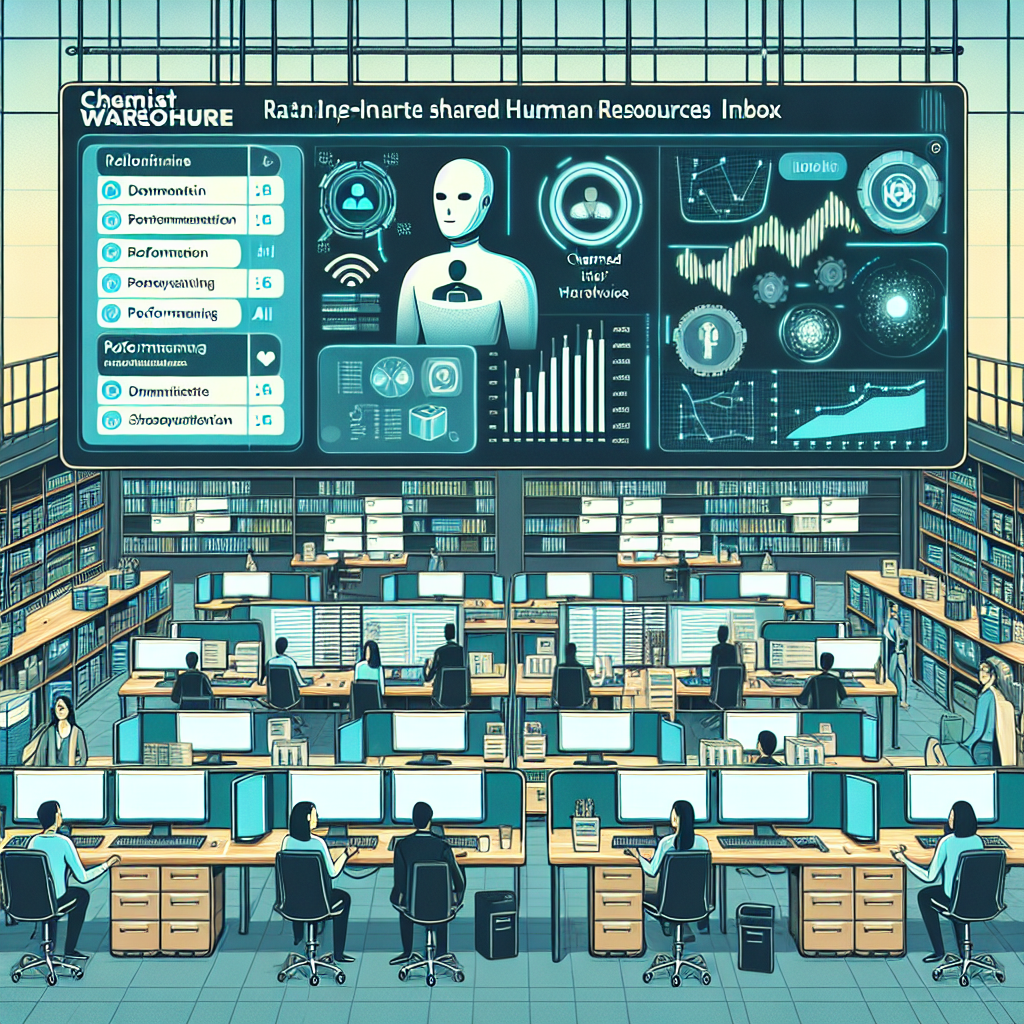
The implementation of artificial intelligence (AI) in the workplace is becoming increasingly prevalent, and Chemist Warehouse, a leading discount pharmacy chain, is setting a notable example. In early 2025, the company launched AIHRA – AI HR Advisory – on their shared inbox dedicated to human resources (HR) queries. This innovative move is poised to transform how over 30,000 employees and store owners communicate HR-related inquiries by allowing AI to assist in drafting responses that HR staff can easily review and send.
After a rigorous 10-week development phase, Chemist Warehouse successfully integrated AIHRA into its HR operations, with further improvements rolled out in fortnightly cycles. This agile approach to development has enabled AIHRA to evolve from its initial “baby AIHRA” phase to what is now termed “intern AIHRA,” reflecting an increasing sophistication as the system learns from ongoing interactions with employees. Jessi Barberio, a human resources business partner at Chemist Warehouse, noted the tangible progress made with AIHRA and emphasizes the importance of continuous iteration and learning.
One of the key advantages of AIHRA is its capacity to interface with third-party data sources, such as Fair Work Australia. This integration allows the AI to access critical information regarding industry-specific award instruments and internal policies. As a result, AIHRA is effectively designed to handle low-to-moderate-risk HR topics, which include leave requests, probation periods, informal performance discussions, and the management of inactive casual employees.
The efficiency of AIHRA is particularly noteworthy; within just 30 seconds of receiving a query, AIHRA starts drafting a response. The drafted message is then waiting for an HR advisor to fine-tune and personal opinion before being dispatched to the inquirer. Furthermore, any relevant policies or forms are automatically attached to enhance communication clarity and thoroughness.
This strategic implementation could lead to significant operational savings for Chemist Warehouse. The HR advisory team is expected to save an estimated 1,950 hours annually, a considerable time reduction given that they handle around 300 email queries weekly, which can range from investigations and grievances to complex policy interpretations. Melissa Bear, the head of the people and culture advisory at Chemist Warehouse, confirmed this operational enhancement, showcasing a clear benefit of integrating AI technology into HR processes.
Barberio acknowledged that training AIHRA was a process that required time and dedication to refine its performance and ensure the output meets business expectations. The decision to publicize this advancement illustrates the profound value being realized through the AI integration. As Chemist Warehouse adopts a systematic approach to AI, they are focusing not just on short-term gains but also on developing a scalable governance framework that will support the company as it adapts and evolves in the digital landscape.
This governance strategy aims to align high-value use cases with the broader strategic ambitions of the organization while simultaneously fostering rapid value creation across various departments. The ongoing adjustments and learnings from the AI deployment are already generating quick wins that could serve as a blueprint for future technological integrations. This long-term vision, paired with immediate operational benefits, positions Chemist Warehouse to continually evolve and remain competitive in the dynamic retail sector.
The AIHRA initiative at Chemist Warehouse is a compelling case study demonstrating how businesses can effectively leverage technology to enhance productivity, streamline communication, and ultimately deliver better service to employees. As more organizations embrace AI solutions, the successes and strategies showcased by Chemist Warehouse will undoubtedly inspire similar transformations in HR departments across various industries.