

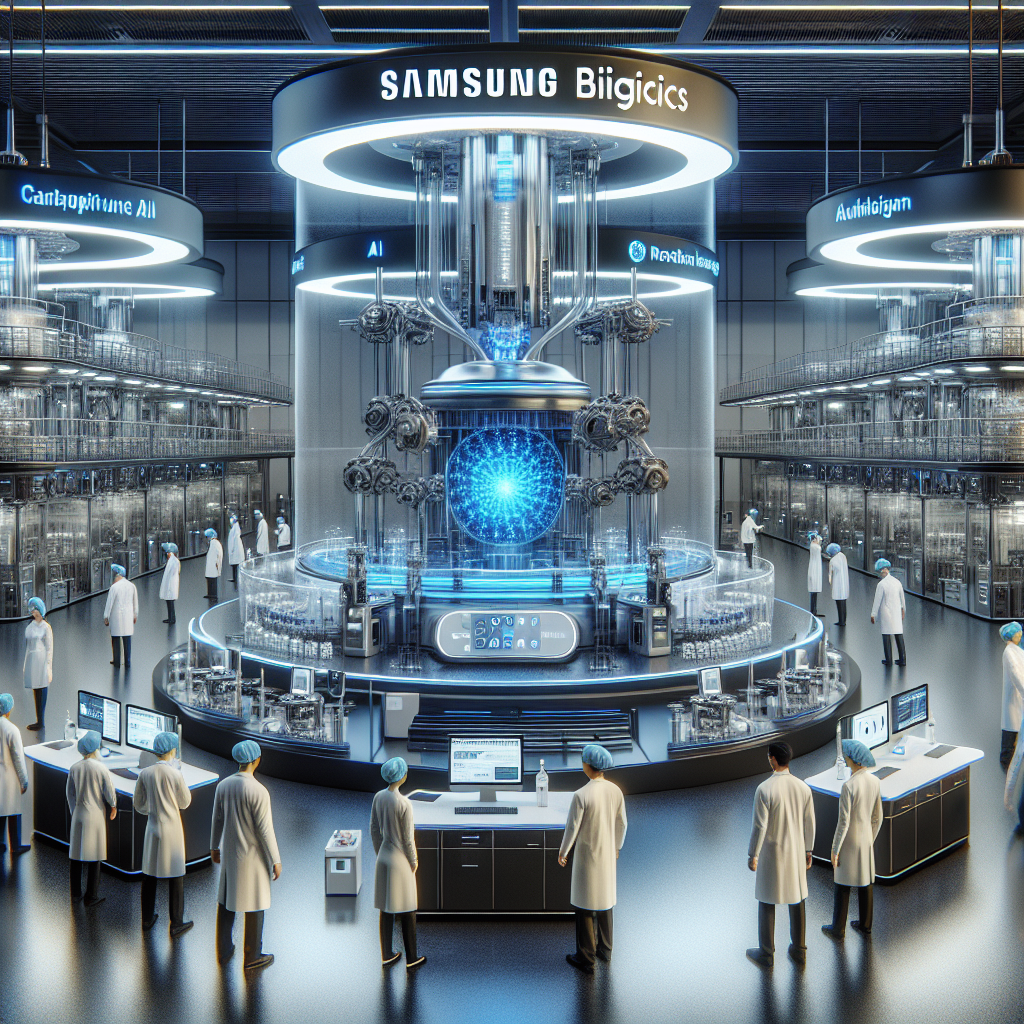
Samsung Biologics is at the forefront of integrating artificial intelligence (AI) into manufacturing processes, a move that could reshape the pharmaceutical and biotech industries. During CES 2026, CEO John Rim articulated the company’s commitment to harnessing AI technologies to drive digital transformation within its manufacturing operations. This commitment comes at a time when the global landscape is rapidly evolving, demanding innovative solutions and smarter processes.
At CES, which has shifted its focus beyond consumer electronics to encompass a wider array of advanced technologies, Rim emphasized the importance of understanding global trends in tech innovation. “Attending CES allows us to experience global trends in advanced technologies and gain insights for manufacturing innovation in the AI era,” he stated. This reflects Samsung Biologics’ proactive approach to incorporating state-of-the-art technologies that align with the industry’s demands for efficiency and precision.
Throughout the conference, Rim engaged in various sessions focusing on AI adoption in manufacturing. Notably, he attended Caterpillar’s keynote, which underscored the significance of automation and smart factory technologies. The session highlighted the evolving narrative of what it means to be a ‘manufacturer’ in the digital age, where the fusion of AI, robotics, and innovative manufacturing will dictate the future landscape.
This year’s CES placed particular emphasis on “physical AI,” a concept that encapsulates technologies allowing AI systems to interact directly with the physical world. As highlighted by Nvidia’s CEO Jensen Huang, physical AI represents a critical evolution in how technologies will enhance productivity by enabling smarter, more autonomous systems that seamlessly merge with human-operated processes. This theme resonated strongly with global firms including Siemens and Caterpillar, as they presented their digital twin and smart factory strategies, reiterating the necessity of continuous innovation.
Samsung Biologics is clearly aligning its strategic objectives with these prevailing trends. The company has made significant strides in enhancing its manufacturing execution system and quality management system, adapting to the needs of its global clientele with bespoke solutions. Their recently commissioned Plant 5 exemplifies this commitment, utilizing AI and digital twin technologies to automate key processes, optimize quality management, and boost productivity.
Moreover, Samsung Biologics employs electronic manufacturing records and autonomous mobile robots within Plant 5, ensuring data integrity and minimizing process errors—two significant challenges in pharmaceuticals and biotechnology sectors. By leveraging AI-driven solutions, Samsung is positioning itself as a leader in the quest for operational excellence, particularly in environments where precision and adherence to quality standards are paramount.
As Rim transitions from CES to the JP Morgan Healthcare Conference in San Francisco, he aims to present Samsung Biologics’ digital transformation strategy and long-term vision. This appearance signals an important step in building relationships with key industry players and investors, as the company seeks to expand its global network and reinforce its corporate credibility.
Samsung Biologics’ initiative to incorporate AI in manufacturing processes represents a significant leap towards innovation in the pharmaceutical sector. As the industry continues to face complex challenges, the strategic use of AI and automation will likely serve as crucial factors in enhancing efficiency, reducing costs, and improving overall service offerings to clients.
As businesses and industries globally seek to adopt similar strategies, Samsung Biologics stands as a symbol of progress and commitment to innovation. Its focus on AI-powered solutions not only reflects its adaptability but also highlights the potential for AI to catalyze a broader transformation across sectors. For business leaders and investors, understanding how companies like Samsung Biologics navigate this transformation will be key to leveraging emerging technologies for a competitive edge.
Leave a Reply