

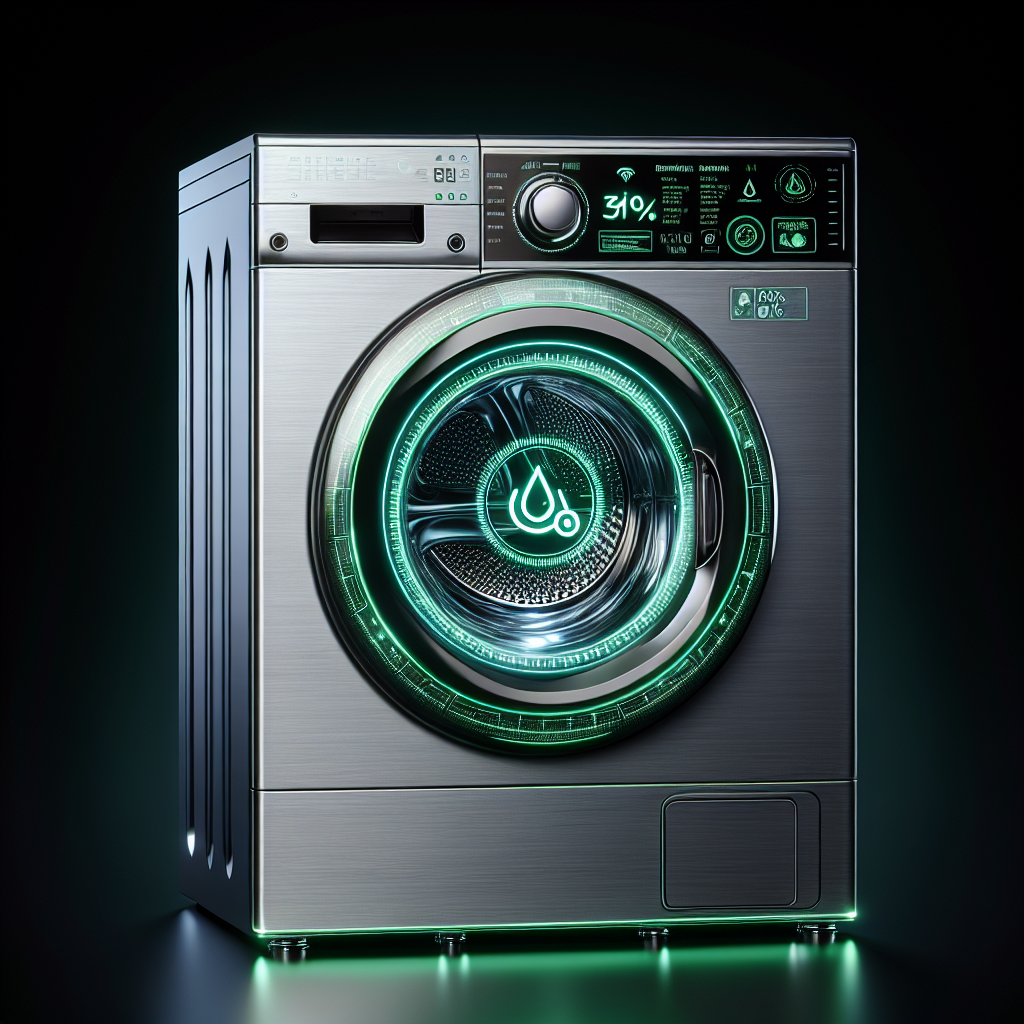
Samsung has recently unveiled its advancements in home appliance technology with a new series of AI-powered washing machines and dryers. While some may overlook the potential benefits of artificial intelligence in appliances typically associated with laundry, the results are proving to be both impactful and significant. In an age where energy consumption is at the forefront of sustainability discussions, Samsung’s AI Energy Mode is a compelling demonstration of how technology can lead to substantial reductions in energy usage.
The AI Energy Mode is a groundbreaking feature designed to optimize power consumption by intelligently managing cycles based on user habits and load sizes. According to Samsung’s findings, this innovative mode can lead to energy savings of up to 30%. This is a promising statistic, especially for environmentally conscious consumers looking for effective ways to reduce their carbon footprint while still benefiting from high-quality washing performance.
To substantiate these claims, Samsung undertook a comprehensive study involving nearly 187,000 washing machines operating in over 126 countries. The test, which spanned from July last year to June 2025, aimed to validate the energy-saving credentials of the appliances that had received Carbon Trust certification. The results were impressive: the AI Energy Mode successfully saved approximately 5.02 GWh of energy, which translates to a remarkable 30% of total energy consumption observed during the testing period.
The implications of these findings extend beyond mere statistics. The saved energy is equivalent to the electricity usage of 14,000 households in Seoul during the hot summer months—a significant impact considering the strain on energy resources during peak seasons. This capacity for large-scale energy reduction is particularly valuable in light of global attempts to tackle climate change and reduce reliance on non-renewable energy sources.
As the demand for smart home solutions grows, Samsung’s AI-driven approach stands out among its competitors. Other appliances across Samsung’s portfolio are expected to adopt this AI Energy Mode, indicating a broader shift in the appliance market toward more intelligent technologies that prioritize efficiency. This strategy not only appeals to environmentally conscious users but also meets the increasing demand for energy-efficient home appliances, positioning Samsung as a leader in the sustainable tech space.
The business implications of this technology are profound. With increasing regulations and consumer expectations centered around energy efficiency, companies in the appliance sector face growing pressure to innovate. By integrating AI into standard home appliances, Samsung not only enhances product performance but also reinforces its commitment to sustainability—a key value for many modern consumers. As a result, the company has a unique opportunity to gain a competitive edge in a crowded marketplace.
Moreover, businesses focused on the commercial distribution of such products can benefit greatly from these advancements. Retailers can leverage the concept of energy savings in their marketing strategies, appealing to consumers who are keen to invest in products that promise not only convenience but also environmental responsibility. Overall, Samsung’s AI washing machines are an excellent case study on how harnessing technology can lead to both ecological benefits and robust business opportunities.
In summary, Samsung’s latest AI washing machines with AI Energy Mode illustrate the tangible benefits of integrating advanced technology into everyday appliances. With a documented reduction of up to 30% in energy consumption, this innovation represents a significant step forward in both energy efficiency and modern living. As these appliances become more widespread, consumers can look forward to realizing both cost savings on their utility bills and a positive impact on the environment. The success of this initiative could very well inspire other appliance manufacturers to follow suit, further promoting a market-wide shift towards smarter, more eco-friendly home solutions.
Leave a Reply