

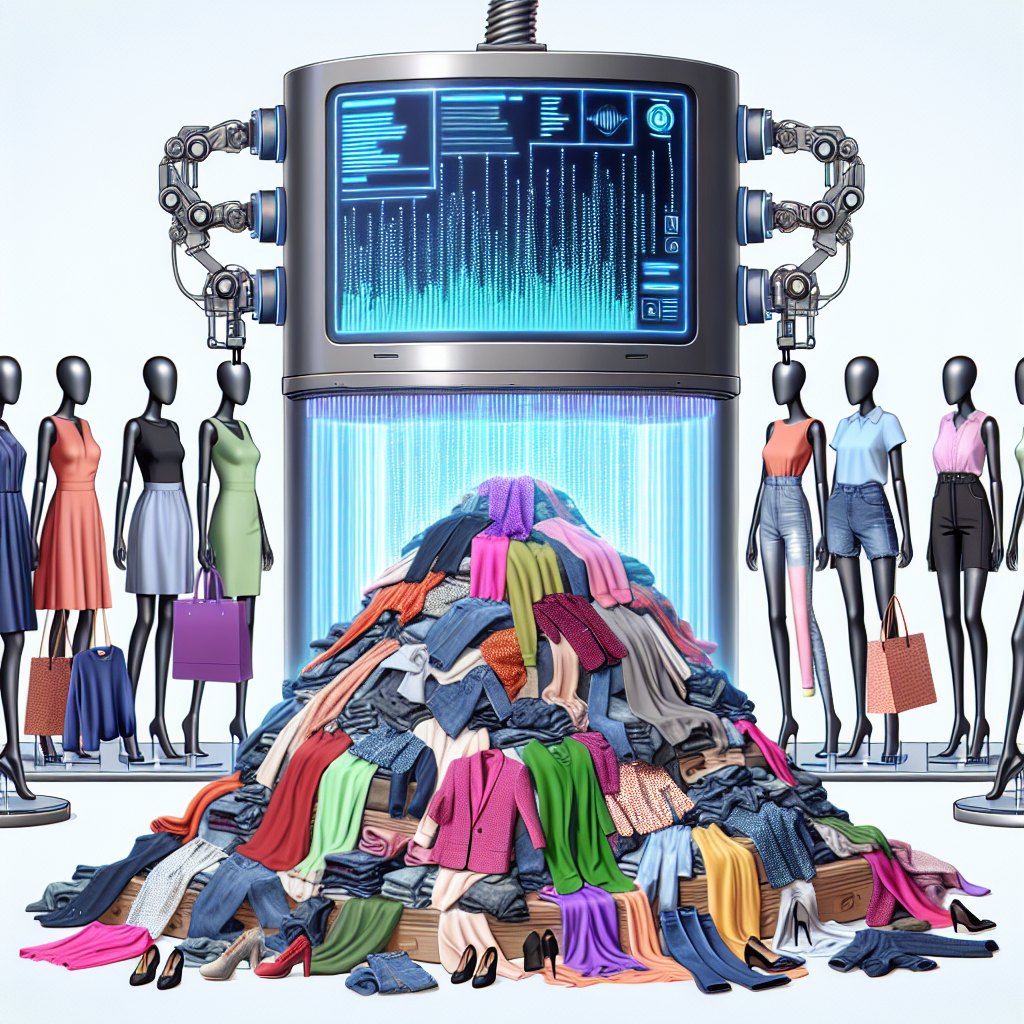
The landscape of fashion retail is witnessing a remarkable upheaval, particularly in the realm of secondhand shopping, which is rapidly evolving into a dynamic and profitable sector. With an impressive growth of 12% this year, the global secondhand market has reached a staggering $289 billion and is projected to soar to $393 billion within the next five years, according to ThredUp’s annual resale report. This surge reflects a paradigm shift where consumers prioritize thrift shopping over traditional retail, fueled by the innovative application of artificial intelligence.
This transformation is not merely a reflection of changing consumer sentiments; it is rooted in how resale platforms are utilizing AI to overcome longstanding challenges in the industry. The structural problem of traditional resale—each item being unique—presents a significant barrier. Unlike standard retail where shared SKUs and brand data align products with consumer preferences, the secondhand market lacks such uniformity. Consequently, pricing and discovery for these unique items can be both costly and arbitrary.
Enter ThredUp, which has harnessed the power of generative AI to address these complex issues. By training its AI model on extensive fashion data, ThredUp has enabled shoppers to search using visual style terminology instead of relying solely on text. This advanced search capability allows users to find products even if specific keywords do not appear in the product database, enhancing the shopping experience significantly.
Another innovative player is Beni, which has introduced Beni Lens, an AI-powered visual search tool. This technology allows users to take a photograph of a garment and receive a curated list of similar items across various resale marketplaces. Enhanced by filters for size, price, and preferred brands, Beni Lens streamlines the previously fragmented search experience, providing an all-in-one solution for secondhand shoppers.
The rise in consumer interest in secondhand items is noteworthy, particularly amongst younger generations. Research shows that 35% of consumers in the Americas are increasingly looking for used items, and Gen Z is leading the charge. This demographic has expressed readiness to transition to secondhand spending, especially if tariffs on new goods escalate prices, according to reports from EMARKETER.
In this high-stakes environment, the relationship between discovery and margins becomes crucial. As highlighted by the financial performance of ThredUp, automation is a key driver of profitability. The company’s reported gross margins of 79.5% in Q2 2025 stand in stark contrast to traditional apparel retailers, who typically struggle to exceed 30%. This stark difference is attributed to ThredUp’s strategic investment of over $400 million in supply chain automation technologies, which span item identification, measurement capture, and product photography.
ThredUp’s innovative use of reinforcement learning models allows it to efficiently manage over four million listings, facilitating the daily addition of tens of thousands of new items. Notably, this model enables the automatic reduction of prices on slower-moving inventory by closely monitoring real-time demand and revenue potentials, further enhancing the operational efficiency of the platform.
The opportunities presented by these advancements are substantial. According to ThredUp, nearly 48% of shoppers reported using AI tools throughout their secondhand shopping experiences, and 63% felt comfortable with the concept of agentic buying—empowering consumers to make informed purchasing decisions based on AI insights. This indicates a promising shift where shoppers are not only embracing secondhand items but are also becoming more proficient in leveraging technology to enhance their purchasing experiences.
The implications for business leaders and investors are clear: the integration of AI within the secondhand fashion market is new but essential. Those who adapt to these technological advancements stand to benefit significantly in a sector that is becoming increasingly prominent in today’s economy.
As we look towards the future, the secondhand market—bolstered by sophisticated AI technologies—promises not only to thrive but also to transform how consumers engage with fashion, ensuring that thrift becomes a first choice rather than a backup plan.
Leave a Reply