
-
AI News

The recent advancements in artificial intelligence and data management are reshaping various sectors, including governmental processes, technology investments, and digital literacy. A noteworthy development is the launch of the National Database on International Treaties by the Government of Vietnam’s Ministry of Foreign Affairs.
This groundbreaking initiative enables individuals and organizations to access comprehensive public information about international treaties. The platform offers flexible search functionalities, allowing users to filter treaties based on criteria such as treaty name, signatory partners, or date of signing. Furthermore, it includes a systematic guide detailing Vietnam’s international treaty signing process, complete with relevant legal documents, illustrative process diagrams, and commonly used sample clauses. This resource will likely streamline access to crucial legal information and enhance understanding of international obligations.
As AI continues to advance, significant economic implications arise. According to recent data from Bloomberg, the AI boom has contributed an astonishing half a trillion dollars to the wealth of U.S. tech barons in 2025 alone. The wealth of the top 10 founders and leaders in major technology companies surged to nearly $2.5 trillion, an increase from $1.9 trillion in just one year. This staggering growth underscores the profound impact of artificial intelligence on the tech industry and broader economic landscape.
The excitement surrounding AI isn’t limited to direct financial gains. In an unexpected cultural revival, LimeWire, a service once infamous for distributing pirated content, has resurfaced in 2025 to facilitate the sharing of controversial media, such as a recently pulled segment from “60 Minutes.” This unexpected return raises questions about digital censorship and the evolving landscape of content sharing in a rapidly changing internet environment.
For those looking to enhance their understanding of AI and its potential challenges, ZDNet highlights the value of coding education through Harvard’s free online classes. With AI increasingly integrated into various sectors, the ability to validate and understand AI-generated outputs is becoming essential. The courses mentioned focus on foundational coding skills as well as advanced Python programming, crucial for anyone looking to communicate effectively with AI tools and leverage them for practical applications.
In a significant move to bolster its infrastructure, Google’s parent company, Alphabet, has announced an agreement to acquire data center and energy company Intersect for $4.75 billion. This acquisition aims to integrate energy-efficient solutions in data center operations, tackling the notable challenge of power grid strain often caused by data-intensive processes. By combining data center development with energy plant projects, Google is positioning itself to lead in sustainable data management.
Meanwhile, nostalgia is in focus as Tom’s Hardware reflects on the early days of search engines, spotlighting AltaVista. This engine, which initially captivated users with its clean and minimal interface, lost momentum through ownership changes and the arrival of web portals. The account of AltaVista serves as a reminder of the dynamic nature of the tech industry and how quickly innovations can fade or evolve.
As the year draws to a close, FaZe Clan faces notable challenges with a significant portion of its creator roster leaving. This shift reflects broader trends within digital content creation and the challenges faced by video game and entertainment brands in maintaining their influence and connection with audiences.
In summary, the culmination of these stories highlights the transformative nature of AI technologies and their implications across various domains. From government initiatives that streamline treaty access to massive economic gains in the tech sector and a cultural resurgence of former platforms, the landscape is shifting. These developments signal opportunities for business leaders, investors, and creators to adapt and thrive in an era defined by rapid technological advancement and innovation.
-
Roblox Uses AI to Filter Billions of User Interactions in Real Time

In the rapidly evolving landscape of digital gaming platforms, Roblox has emerged as a leader by leveraging artificial intelligence (AI) to tackle one of its most significant operational challenges: moderating user-generated content in real time. With nearly 150 million daily users, a large proportion of whom are children, the responsibility of filtering harmful content such as text, voice, and behavior is more crucial than ever.
Roblox’s approach to moderation is unlike that of traditional social media platforms; it revolves around user interactivity and creativity. Users not only consume content but actively create games and social experiences, resulting in a staggering volume of interactions. Roblox reports that users generate approximately 6 billion text chat messages each day and log around 1.1 million hours of voice communication across multiple languages. Between February and December 2024, these users uploaded close to 1 trillion pieces of content—indicative of the challenges faced in maintaining a safe online environment.
The company faced scrutiny over its safety measures, notably from the state of Louisiana, which accused it of lacking adequate safety protocols. In response, Roblox has doubled down on fortifying its moderation systems with AI. This technology enables real-time prevention of breaches, blocking harmful content before it reaches the broader audience—a critical shift from traditional post-hoc moderation.
At the heart of Roblox’s moderation strategy is a sophisticated AI system that operates at the point of content creation. Text messages are analyzed as they are typed, using machine learning models that have been specifically trained to detect not only harassment and hate speech but also attempts to share personally identifiable information. This proactive stance allows for the elimination of policy violations before they become visible to other users.
A unique aspect of Roblox’s AI stack is its dedicated Personally Identifiable Information (PII) detection system, which has recently undergone infrastructure upgrades, increasing its filtering capacity fourfold. This enhancement enables the system to handle up to 370,000 requests per second during peak times. Notably, these improvements have reduced false positives by 30% while increasing automatic detection of personal data violations by 25%.
In addition to text moderation, Roblox has developed a mechanism for voice communication management. Conversations are transcribed through automated speech recognition systems specifically tuned for gaming jargon. This transformed spoken language is then swiftly analyzed by classifiers to flag policy violations in near real time. In fact, Roblox can enforce actions related to voice communication within a remarkable 15 seconds of a violation. For situations that require an escalated response, the platform boasts a median time to action of approximately 10 minutes.
The implementation of these AI-driven systems sheds light on Roblox’s persistent commitment to user safety while also providing insights into how digital platforms can effectively manage large-scale interactions. By moving toward a model that prioritizes pre-emptive moderation, Roblox not only fortifies its community but also sets a standard for other platforms with similar user-generated content challenges.
Overall, Roblox’s investments in AI optimization showcase a significant stride toward creating a safer online environment for all users. With the capability to monitor and manage billions of interactions simultaneously, the company exemplifies the role of innovative technology in safeguarding digital ecosystems, all while allowing creativity to flourish without compromising safety.
-
Zip reports $6 billion in customer savings as AI procurement gains traction

In a remarkable stride towards automation and efficiency, Zip has announced that its AI procurement platform has delivered an impressive $6 billion in customer savings to date. This significant milestone underscores the growing trend among large organizations to leverage advanced technology for streamlining their purchasing and supplier management processes.
Zip’s robust platform has seen activity across an astonishing 7 million suppliers while managing what the company describes as “hundreds of billions” in processed spend. While the company has refrained from disclosing specific revenue figures or profit margins, the reported customer savings offer a clear indicator of the platform’s impact on operational efficiency.
CEO Rujul Zaparde outlined the evolution of Zip’s offerings by stating that customer interactions have extended beyond merely streamlining intake and approvals. The platform has successfully eliminated an astounding 10 million days of procurement cycle time, emphasizing a dedicated focus on reducing friction in purchasing processes. This enhancement not only benefits the organizations utilizing the platform but also transforms how procurement tasks are approached on a broader scale.
As Zip expands its influence in the procurement sector, renowned enterprise clients have embraced its AI technology. New adopters in 2025 include high-profile organizations such as LinkedIn, PIMCO, Block, and Mars. Existing partners have also expanded their engagement, with notable names like OpenAI, Snowflake, Canva, Anthropic, AMD, and Discover increasing usage of the platform.
Among Zip’s success stories is Dollar Tree, which significantly enhanced its procurement oversight over a substantial annual non-product spend of $5 billion. The organization successfully increased its procurement oversight from a mere 13% to over 40%. Additionally, they accomplished a remarkable 70% reduction in procurement cycle times and identified potential savings amounting to $100 million. These results illustrate how Zip’s technology can foster substantial improvements in efficiency and cost-effectiveness.
Zip’s AI procurement platform stands out due to its sophisticated automation capabilities that streamline various routine tasks within the procurement cycle. Notably, the platform automates functions including routing requests to approvers based on historical trends, verifying invoices against contractual agreements, suggesting pricing benchmarks and negotiation points, and even providing a cross-system AI assistant for procurement data management.
In 2025 alone, the platform reported a grand total of 26 million approvals completed, along with an impressive 10 million AI-generated insights delivered to its users. This level of engagement highlights the platform’s effectiveness in addressing procurement challenges and supporting teams in navigating complex decision-making processes.
This recent update serves as a clear indication that interest in AI for indirect spend management continues to grow. As many procurement teams grapple with the challenges of fragmented processes and stringent compliance requirements, there is a noticeable shift towards adopting automation solutions that not only shorten cycle times but also standardize crucial decision-making practices.
Zip has successfully positioned itself within the market by providing cutting-edge procurement automation software to a diverse array of organizations, including industry players such as AMD, Anthropic, Coinbase, Discover, Dollar Tree, HP, Instacart, Invesco, Lyft, Northwestern Mutual, Prudential, Reddit, Sephora, and Snowflake. As more companies turn their focus towards efficiency and effectiveness, Zip’s solutions are poised to play a central role in reshaping how procurement functions.
As business leaders and strategists navigate the complexities of procurement and supplier management, the insights derived from Zip’s experience and advancements signal a bright future for the industry. Emphasizing automation, reduced cycle times, and tangible cost savings, Zip’s AI procurement platform stands as a testament to the transformative power of technology in business processes.
-
How We Turned Around SaaStr’s Traffic in 12 Months by Going All-In on AI. From a -19% Decline to a +47% Growth.

In today’s fast-paced digital landscape, even well-established platforms can face significant challenges regarding user engagement and traffic. The story of how SaaStr achieved a remarkable turnaround from a -19% decline to a +47% growth in traffic over the span of only 12 months highlights the transformative potential of artificial intelligence in business operations.
At the start of the year 2025, SaaStr was experiencing a slow but steady erosion of its reader base. Despite a solid foundation, the combination of AI enhancing search traffic, social media algorithms deprioritizing organic links, and general fragmentation of user attention was impacting their overall traffic. By May 2025, the platform found itself in the precarious position of being down -19% year-over-year, a trend reminiscent of many traditional B2B companies facing digital disruption.
Faced with the grim reality of declining traffic, the SaaStr team deliberated their next steps. They recognized the need for a bold strategy—one that would not just tweak existing maneuvers but redefine their approach towards engagement and growth. The decision was crystal clear: go all-in on AI. This decision was solidified at the SaaStr Annual + AI Summit in May 2025. The team decided to embrace AI agents as both a core content theme and as integral tools to improve their own operations.
The core thesis was simple yet ambitious: If AI was destined to reshape how entrepreneurs build and scale their companies, SaaStr should become the forefront platform providing such insights and tools. Rather than being mere commentators on AI trends, the SaaStr team resolved to develop AI-driven functionalities within its own ecosystem.
To actualize this vision, they didn’t remain as passive participants; they actively deployed over 20 AI agents to support various functions within their revenue and operations teams. This hands-on experiment allowed SaaStr to truly understand and leverage AI tools from the inside, producing real insights and tangible outcomes.
As a result of these initiatives, SaaStr.ai was launched within weeks of the Annual event. However, the response went far beyond merely increasing blog posts about AI. The SaaStr team engineered innovative tools for their audience that directly addressed pressing needs in the startup community. The standout among these was a Startup Valuation Calculator that saw nearly 25,000 views—indicating a sustained interest from users eager for valuable resources.
In addition to the valuation tool, the SaaStr team launched an AI Agents Directory, allowing founders to explore viable AI agents employed in real-world B2B scenarios. They introduced an AI VC Matching Tool, connecting founders with investors looking to fund AI-driven initiatives. They also developed a Pitch Deck Analyzer that provides immediate feedback to founders, and an AI Mentor that supplies answers powered by the vast array of SaaStr’s existing content.
This array of tools served numerous purposes. Primarily, they attracted founders back to the site, offering practical resources that became indispensable for startup management in an AI-driven world. More importantly, these tools encouraged users to share their experiences, generating organic reach that had become increasingly difficult to foster.
SaaStr’s success can also be attributed to their commitment to “eating their own dog food”. By implementing over 20 AI agents within their operations, they provided real-world applications and learning experiences that other businesses could replicate. The AI Revenue Team, for instance, consists of 3 AI SDRs managing ticket inquiries, sponsor outreach, and sales support, while 2 AI BDRs focus on qualifying leads and nurturing prospective clients.
This hands-on deployment not only enhanced SaaStr’s operational efficiency but strengthened their credibility in the industry. They weren’t just theorizing about AI; they were living it. This unique experience allowed them to share authentic insights and foster a community centered around AI-driven growth.
In conclusion, SaaStr’s remarkable turnaround showcases the immense potential of AI as a driver of business growth and innovation. By fully embracing AI tools and embedding them into their operations, they transformed a concerning decline into flourishing success in just a year, setting a benchmark for businesses aiming to harness the power of AI.
-
Using AI to better assess cyclone damage

The Indian Ocean region has faced a series of severe cyclonic storms in quick succession, with significant impacts on human life and infrastructure across nations such as India, Sri Lanka, and East Asia. These disasters, which occurred in October and November of this year, underscore the urgent need for effective damage assessment methodologies to facilitate swift recovery efforts in affected areas.
Traditionally, assessing cyclone damage relies on aerial imagery acquired from satellites and drones. However, interpreting this imagery presents considerable challenges. The variations in conditions such as lighting, terrain, and building materials complicate the damage assessment process—making it inconsistent across different regions and cyclone events. While Artificial Intelligence (AI) has been incorporated to assist in expediting these assessments, the common issue of modeling performance when transitioning from one disaster to another remains problematic. For instance, an AI model trained on data from Cyclone Montha in Andhra Pradesh may not perform effectively when tasked with evaluating damage from a cyclone in Sri Lanka. This phenomenon, known as the ‘domain gap,’ highlights the need for more adaptable AI frameworks.
Researchers from the Indian Institute of Technology in Bombay (IIT-Bombay) have taken significant strides in addressing the domain gap issue with a novel AI architecture known as SpADANet—short for Spatially Aware Domain Adaptation Network. This cutting-edge model is engineered to dynamically adapt across various storm scenarios and geographical contexts, even when faced with limited human-annotated data from the new areas of devastation.
Unlike traditional AI models that may consider the domain gap purely through a statistical lens, SpADANet employs a spatial context-driven approach. By focusing on the layout and interrelationship of buildings and damage zones within a captured image, the AI is equipped to analyze damage patterns holistically. This technique allows for damage assessment that transcends standard visual features like color or shape; SpADANet gains insight from the image’s spatial context, enhancing its overall accuracy.
The innovative technology behind SpADANet is discussed in a recent publication in the IEEE Geoscience and Remote Sensing Letters, notably revealing an impressive improvement of more than 5 percent in damage classification accuracy over existing state-of-the-art methods. Furthermore, SpADANet is designed to function efficiently on modest computing devices, including tablets and smartphones—tools that are pivotal in post-disaster contexts where advanced computing resources are scarce.
Prof. Surya Durbha, who spearheaded the research, explains that SpADANet undergoes a self-supervised learning process using unlabelled images sourced from the relevant regional domain (like those from previous hurricanes). By doing so, the AI gains a base understanding of general visual patterns, which trains it to distinguish between damaged and undamaged structures. By the time SpADANet encounters labelled images from new disasters, it possesses a refined understanding of how to interpret the data effectively.
To further enhance its performance, SpADANet integrates a novel spatial module called Bilateral Local Moran’s I, which is adept at capturing damage distribution across neighboring areas. This feature optimizes the AI’s ability to recognize clusters of damage efficiently.
The model was extensively evaluated against satellite images from significant hurricanes in the USA, including Harvey (2017), Matthew (2016), and Michael (2018). Intriguingly, even with only a fraction of labeled images—merely 10 percent—from a new disaster area, SpADANet significantly surpassed traditional methodologies such as DANN, MDD, and CORAL-based models.
It’s worth noting that while SpADANet presents crucial advancements in cyclone damage assessment, IIT-Bombay emphasizes that its innovation is distinct from another similar model known as SPADANet, created by a Japanese research team earlier in the year. This distinction showcases the originality and advancements being made in the field of AI-assisted damage assessment.
In summary, SpADANet represents a transformative approach to efficiently assessing damage following cyclonic events, thus proving invaluable to businesses and government agencies tasked with disaster recovery and infrastructure rebuilding efforts. With its focus on adaptability and practical deployment, this innovation stands out as a significant step forward in leveraging AI to mitigate the impact of natural disasters.
-
How AI Is Reshaping Pricing Strategies in Japan’s Retail Industry

In an era where inflation is becoming a significant concern, the retail industry in Japan is undergoing a transformational shift. This change is largely driven by an innovative AI-powered system designed to optimize discount timing and levels, significantly impacting pricing strategies across the sector.
Developed by Harmonia, a startup spearheaded by CEO Daiki Matsumura, the technology aims to assist food retailers struggling with razor-thin profit margins that hover around just 1.5 percent. The system’s fundamental goal is twofold: to enhance earnings for retailers and to tackle the issue of food waste by allowing for more accurate and timely price adjustments.
In October 2025, this noteworthy technology caught the eye of Toshiba Tec, a major player in point-of-sale solutions, which ultimately led to Harmonia’s acquisition. This move raised intriguing questions regarding Matsumura’s decision to sell the startup instead of pursuing a public offering. Matsumura affirmed that the choice was rooted in a desire for scalability and significant impact. By collaborating with an established industry leader, they could roll out the technology more swiftly and affect pricing standards across Japan’s retail landscape.
The AI system utilizes advanced algorithms to analyze vast datasets, examining variables such as demand fluctuations, inventory levels, and even the time of day to suggest optimal pricing strategies. Such an approach allows food retailers to not only attract customers but also maintain profitability—an area often fraught with traditional pricing methods relying heavily on instinct and experience.
Interestingly, this technology is not limited to food retailers alone; its application has been observed in various sectors, including hospitality and transportation. For instance, one bus operator implemented the system and reported an increase in revenue by several percentage points, showcasing its broader implications beyond food retail.
During a recent stroll through Ginza’s vibrant shopping scene, Matsumura illustrated how current pricing strategies already influence consumer behavior. He pointed to a food shop that priced takeout items lower than dine-in options, effectively enticing customers to sample their offerings. For example, spring rolls were priced at 250 yen for an in-store experience but offered at 150 yen for takeout, a deliberate strategy designed to attract first-time customers.
Matsumura emphasized that these pricing decisions are carefully crafted, not whimsical. The intent is to draw customers into stores, foster familiarity with the brand, and eventually drive them towards higher-value purchases. The AI system seeks to formalize this strategy by utilizing data intelligence to dictate pricing fluctuations throughout the day.
As consumer behavior shifts from deflationary to inflationary periods, understanding and managing pricing becomes increasingly imperative. Matsumura expresses optimism that by automating these critical pricing decisions, retailers can navigate the heightened competition of the market. More importantly, this approach stands to reduce waste and enhance efficiency throughout the entire food distribution chain.
In conclusion, as AI-driven pricing mechanisms gain traction in Japan, this initiative could signify a pivotal moment for the retail industry. By addressing one of its core challenges—effective pricing at the right time—the sector could not only survive but thrive in a rapidly changing economic environment. As this technology evolves, stakeholders in Japan’s retail landscape will likely find themselves at an exciting intersection of innovation and tradition.
-
Why Traditional Marketing Fails for AI Products (And What Actually Works)
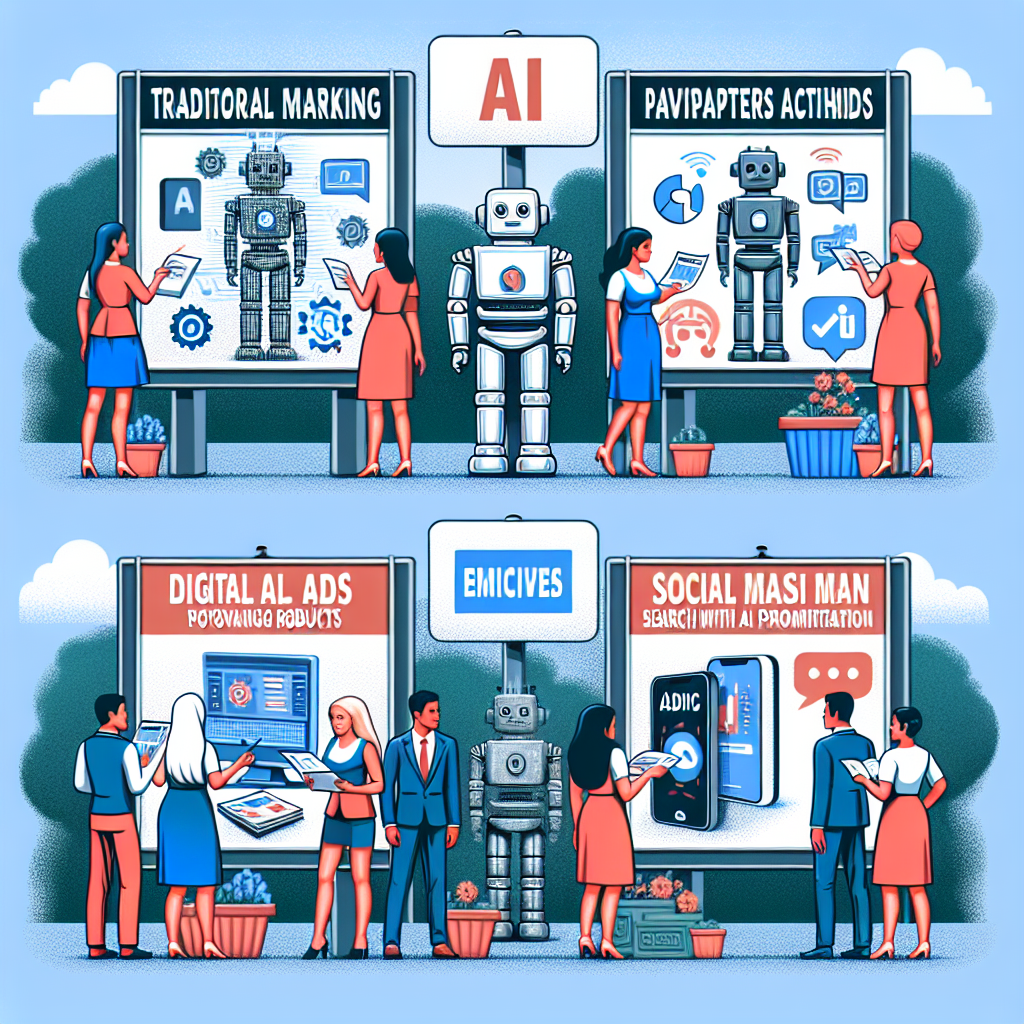
The rapid growth of the AI industry surpasses any previous technological advancement, but surprisingly, many AI companies face significant challenges in attracting users to their innovative products. The issue, however, is not the quality of the technology itself; rather, it lies in the marketing strategies currently employed.
Traditional advertising methods that have proven effective for consumer applications, Software as a Service (SaaS) tools, and e-commerce platforms fall flat in the realm of AI products. Common approaches such as banner ads often go unnoticed, social media campaigns do not yield desired conversions, and search engine advertising becomes costly with little return on investment.
For entrepreneurs and companies developing AI products, the experience can feel like tossing money into a void—many find themselves in the same predicament. This highlights a critical reality: the rules of marketing have evolved, leaving a considerable gap between AI innovations and effective promotional strategies.
The Core Problem: Traditional Ads Don’t Reach AI Users
A fundamental mismatch exists when it comes to the behavior of AI users compared to typical internet users. Traditional marketing approaches presume that users are actively browsing the web in search of solutions. However, AI users engage in a drastically different manner—they converse, ask questions, and delve into ideas through dialogue.
Your prospective customers are currently engaged in countless discussions with advanced AI interfaces like ChatGPT, Claude, and Gemini, as well as with a multitude of independent AI chatbots. Unfortunately, traditional advertising channels fail to penetrate these conversations. Your banner ad won’t pop up in a ChatGPT dialogue, nor will your Google ad reach someone who requests suggestions from an AI assistant. Conventional social media campaigns fall flat when they interrupt engaging discussions between users and their AI tools.
This creates a sizable disconnect: your ideal customers are actively searching for solutions, but they are doing so in environments where your advertisements have no presence.
Why Traditional Marketing Channels Miss the Mark
The assumption underlying traditional marketing strategies is that users navigate the internet in somewhat predictable patterns. They visit websites, scroll through social media feeds, search for keywords, and click on links. All major advertising platforms—such as Google Ads, Facebook Ads, and display networks—are designed around these behaviors.
However, AI users have shattered this conventional user journey. They now invest significant time interacting with conversational interfaces, obtaining recommendations from AI rather than from search engines, and discovering new tools through AI-driven suggestions rather than through passive ads. This shift has transformed the user journey:
- Traditional User Journey: Google search → Website → Ad click → Conversion
- AI User Journey: AI conversation → Direct question → Immediate recommendation → Conversion
The discrepancies are profound, with traditional marketing requiring multiple touchpoints for conversion compared to the single conversation point that AI users experience. This also results in higher acquisition costs for traditional advertising versus the more efficient spending opportunities available through properly targeted AI interactions.
High Costs, Low Returns
Implementing traditional advertising strategies for AI products comes at a higher cost than is often justified due to various factors. The primary concern is competition; numerous AI companies are vying for the same keywords on platforms like Google Ads. Popular terms such as “AI writing tool” or “chatbot platform” can command prices ranging from $10 to $50 per click, and a significant fraction of these interactions may not convert, as users are merely in the research phase and not ready to make purchases.
In addition, poor targeting compounds the challenges experienced by AI marketers. The inability to reach potential customers through effective channels leaves traditional marketing efforts falling short in terms of engagement and return on investment.
In summary, the AI landscape presents unique challenges for marketers accustomed to conventional strategies. The transition from traditional marketing methods to innovative approaches that resonate with AI users is not just advisable—it is essential for success in this increasingly competitive field.
-
A Single AI Traffic Camera Issued Over 1,000 Fines In Just Four Days | Carscoops

In a groundbreaking and somewhat controversial move, Greece has deployed AI-powered traffic cameras in several central Athens locations, dramatically altering the landscape of traffic enforcement. Within just four days of operation, these cameras recorded a staggering 2,500 violations, igniting a conversation about the efficacy and implications of using artificial intelligence in this capacity. The pilot project, conducted across eight different zones, serves as a promising yet provocative reminder of how technology can efficiently address human errancy.
The rapid compilation of infractions showcases the current state of driving habits among many individuals. While many may assume that traffic laws are universally adhered to, the evidence reflected by these AI cameras tells a distinct story. The sheer volume of violations in a short timespan raises questions not only about individual compliance but also about the broader societal approach to traffic enforcement.
What do these AI cameras have the capability to detect? Beyond the obvious infractions like speeding and running red lights, the technology is designed to catch a wide range of violations. This includes instances of drivers neglecting to wear seatbelts, engaging with devices while driving, or taking advantage of emergency lanes unlawfully. Such capabilities showcase a comprehensive approach to traffic monitoring that traditional policing often struggles to maintain effectively.
When an infraction is detected, the AI camera captures an encrypted video and a timestamped still image, ensuring the integrity of the evidence presented. Importantly, offenders do not encounter a police officer on the roadside. Instead, notification is delivered digitally—through SMS, email, or government portals—enabling immediate payment of fines. This modernized approach introduces an element of efficiency highly beneficial to both the authorities and drivers, although it also raises questions about the erosion of personal interaction in law enforcement.
One particular camera stationed on Syngrou Avenue, a major thoroughfare connecting Athens to the port of Piraeus, became the focal point of this pilot, recording over 1,000 violations alone—a staggering figure that accounted for nearly half of all violations logged during the pilot period. Other monitored locations also revealed troubling statistics, with 480 instances of red lights being ignored at one intersection and another 285 caught in a similar act nearby.
Traffic violations come with hefty penalties. Not wearing a seatbelt or using a phone while driving can incur a fine of €350 (approximately $410), while speeding violations could range anywhere from €150 to €750 ($180 to $880), depending on the severity of the offense. Given these numbers, it is projected that a single AI camera could potentially generate up to €750,000 ($880,000) in fines within just three days. Such revenue potential sparks debate over whether the system serves as an effective deterrent or merely highlights systemic dysfunctions in compliance.
The transition from a pilot project to potential citywide surveillance reflects a growing trend wherein municipalities leverage technology to bolster their enforcement capabilities drastically. As AI cameras proliferate, they risk altering public perceptions not only about driving but also about privacy and surveillance in urban spaces. There exists a delicate balance between enforcing laws for public safety and the implication of living under constant surveillance.
This initiative, while demonstrating the technological potential of AI in real-world applications, inevitably brings discussions about accountability and ethics in law enforcement to the forefront. The implications of relying heavily on automation for such a significant aspect of public safety is an evolving conversation, as technologies like AI continue to reshape our everyday experiences.
The deployment of AI traffic cameras in Athens is just the beginning. As the data accumulates and the system evolves, other cities may follow Greece’s lead, potentially ushering in a new era of traffic management designed to combat road safety violations efficiently. The future of traffic law enforcement may very well lie in the hands of technology—but it comes accompanied by the need for robust discussions on legal, ethical, and societal impacts.
-
Agentic AI Takes the Wheel in Travel Planning and Booking

The travel industry is undergoing a significant transformation as artificial intelligence (AI) increasingly takes on the role of managing itineraries and executing bookings. This evolution from discovery to decision-making is spearheaded by AI agents that provide a seamless and efficient travel planning experience. According to recent data from PYMNTS Intelligence, nearly 25% of consumers now express comfort in allowing AI to handle their travel arrangements, demonstrating a noteworthy shift in consumer trust.
This change is paramount in the travel commerce sector, which is inherently high-stakes and multi-faceted. Travelers must coordinate numerous elements such as flights, accommodations, ground transportation, and activities, all of which come with varying degrees of flexibility and significant costs. The rising comfort with AI assistance prompts travel platforms to adapt by deploying AI agents capable of planning itineraries, executing bookings, and managing trips across various suppliers in real time.
Historically, AI in travel began with a focus on customer service, where chatbots aided in answering questions and offering recommendations. However, we have now entered a new phase where AI systems are designed to act autonomously, taking on greater accountability in the travel planning process.
According to an article from CNBC, AI travel agents are evolving beyond their previous role as mere assistants. They now autonomously handle intricate tasks such as planning, booking, and disruption management without the need for direct user interaction. This marks a paradigm shift from reactive support tools to continuous decision-making systems that enhance the travel experience.
For instance, Expedia has introduced an AI-powered service agent to streamline interactions involving booking changes, cancellations, and customer support issues. The design of this agent allows it to resolve complex problems that previously necessitated numerous handoffs across different stages of traveler engagement—search, service, and checkout. This results in an integrated and frictionless experience, particularly at the critical moments when travelers are most likely to abandon transactions or seek assistance.
Another notable example is Trip.com’s TripGenie, which extends the capabilities of AI in travel planning and booking. This agent goes beyond presenting search results; instead, it creates entire itineraries encompassing flights, hotels, and activities. It also adapts recommendations in real-time, completing bookings within the same workflow. TripGenie’s approach shifts the cognitive load from users to the system, simplifying the planning process for travelers and allowing them to focus on enjoying their trips.
Moreover, delegation through devices like Amazon’s Alexa is becoming increasingly popular. With the introduction of Alexa Plus, users can now utilize voice commands to handle travel bookings seamlessly. The contextual awareness of Alexa allows for a more cohesive user experience, as it carries context across different stages of planning, booking, and modifications. This reduces the need for repeated inputs from travelers, further solidifying the role of AI agents in enhancing travel efficiency.
The implications for the travel industry are profound. As consumer comfort with AI travel agents continues to grow, businesses will need to invest in developing and enhancing these technologies. The shift towards agent-led travel commerce not only streamlines user experiences but also opens the doors for greater customer satisfaction and loyalty.
The transition towards autonomous AI agents managing travel logistics signifies a critical juncture for businesses in the travel sector. While challenges remain in terms of regulation and consumer acceptance, the ongoing advancements in AI technology promise to reshape how travel is planned and booked, creating opportunities for innovation and improved customer service.
In conclusion, the future of travel planning is rapidly evolving thanks to the emergence of agentic AI. With AI systems taking a central role in managing travel arrangements, stakeholders in the industry must adapt to harness the potential of this technology, ensuring that they stay competitive in a landscape that is becoming increasingly automated and sophisticated.
-
Show HN: An AI-generated daily quiz app I built on my bike

With the rapid advancements in artificial intelligence, each new application or improvement holds the potential to transform how we engage with various aspects of life. One particularly interesting development is an innovative AI-powered daily quiz app named DailyQuiz, which exemplifies the fusion of technology with learning and entertainment.
DailyQuiz is designed to challenge users daily with quizzes across diverse topics, making knowledge testing an engaging and interactive experience. The concept, conceived by an enthusiastic developer who actually built this app while on his bike, demonstrates not only a passion for coding but also a desire to create educational and entertaining tools that leverage AI technology.
The beauty of DailyQuiz lies in its AI-generated content. Users can expect quizzes that evolve and adapt based on various parameters, including difficulty level, preferred topics, and past performance. This not only keeps the quizzes fresh and exciting but also ensures that users can continually learn and grow their knowledge base. Research has shown that consistent engagement with learning materials can significantly enhance retention and understanding, making DailyQuiz a valuable tool for learners of all stages.
Besides the technical ingenuity of the app itself, it also showcases several important trends within the realm of AI and education technology. As the demands for personalized learning experiences rise, applications that utilize AI for dynamic content generation are becoming increasingly relevant. DailyQuiz caters to this trend by employing sophisticated algorithms to create tailored quizzes that align with individual learning journeys.
This capacity for personalization can be a game-changer for various stakeholders. For educators, such applications can serve as supplementary teaching tools, providing students with customized assessments and making learning more engaging. Businesses that seek to improve employee training and development could also find value in AI-driven quiz applications like DailyQuiz, which can help facilitate continuous learning and skill enhancement.
Another noteworthy aspect of DailyQuiz is its focus on tracking user progress. This feature is not merely a convenience; it serves an essential function in promoting accountability and motivation among learners. By allowing users to see their progress over time, the app encourages regular engagement and helps users set and achieve personal goals. This kind of feedback loop is fundamental in educational settings and particularly effective in self-directed learning scenarios.
As with any technology platform, the success of DailyQuiz will largely depend on its implementation and user experience. One key area where this app may excel is its cross-platform availability. Users are increasingly looking for solutions that can integrate seamlessly into their busy lives, regardless of the devices they use. Offering DailyQuiz as a mobile application provides flexibility, enabling users to engage with quizzes whenever and wherever they choose.
While DailyQuiz already presents a compelling package, the potential for future enhancements is vast. Incorporating social features could encourage competition and collaboration among users, increasing excitement and engagement. Allowing users to challenge friends or join group quizzes could foster a sense of community while also enhancing the learning experience.
In summary, DailyQuiz stands out as a promising application at the intersection of AI technology and education. By challenging users with tailored quizzes, tracking progress, and presenting a flexible learning experience, this app holds significant potential for individuals looking to expand their knowledge in an engaging way. As the world increasingly turns to AI solutions for various needs, DailyQuiz exemplifies how innovation can lead to meaningful advancements in learning and personal development.