
-
Samsung’s AI washing machines can reduce your energy consumption by 30%

Samsung has recently unveiled its advancements in home appliance technology with a new series of AI-powered washing machines and dryers. While some may overlook the potential benefits of artificial intelligence in appliances typically associated with laundry, the results are proving to be both impactful and significant. In an age where energy consumption is at the forefront of sustainability discussions, Samsung’s AI Energy Mode is a compelling demonstration of how technology can lead to substantial reductions in energy usage.
The AI Energy Mode is a groundbreaking feature designed to optimize power consumption by intelligently managing cycles based on user habits and load sizes. According to Samsung’s findings, this innovative mode can lead to energy savings of up to 30%. This is a promising statistic, especially for environmentally conscious consumers looking for effective ways to reduce their carbon footprint while still benefiting from high-quality washing performance.
To substantiate these claims, Samsung undertook a comprehensive study involving nearly 187,000 washing machines operating in over 126 countries. The test, which spanned from July last year to June 2025, aimed to validate the energy-saving credentials of the appliances that had received Carbon Trust certification. The results were impressive: the AI Energy Mode successfully saved approximately 5.02 GWh of energy, which translates to a remarkable 30% of total energy consumption observed during the testing period.
The implications of these findings extend beyond mere statistics. The saved energy is equivalent to the electricity usage of 14,000 households in Seoul during the hot summer months—a significant impact considering the strain on energy resources during peak seasons. This capacity for large-scale energy reduction is particularly valuable in light of global attempts to tackle climate change and reduce reliance on non-renewable energy sources.
As the demand for smart home solutions grows, Samsung’s AI-driven approach stands out among its competitors. Other appliances across Samsung’s portfolio are expected to adopt this AI Energy Mode, indicating a broader shift in the appliance market toward more intelligent technologies that prioritize efficiency. This strategy not only appeals to environmentally conscious users but also meets the increasing demand for energy-efficient home appliances, positioning Samsung as a leader in the sustainable tech space.
The business implications of this technology are profound. With increasing regulations and consumer expectations centered around energy efficiency, companies in the appliance sector face growing pressure to innovate. By integrating AI into standard home appliances, Samsung not only enhances product performance but also reinforces its commitment to sustainability—a key value for many modern consumers. As a result, the company has a unique opportunity to gain a competitive edge in a crowded marketplace.
Moreover, businesses focused on the commercial distribution of such products can benefit greatly from these advancements. Retailers can leverage the concept of energy savings in their marketing strategies, appealing to consumers who are keen to invest in products that promise not only convenience but also environmental responsibility. Overall, Samsung’s AI washing machines are an excellent case study on how harnessing technology can lead to both ecological benefits and robust business opportunities.
In summary, Samsung’s latest AI washing machines with AI Energy Mode illustrate the tangible benefits of integrating advanced technology into everyday appliances. With a documented reduction of up to 30% in energy consumption, this innovation represents a significant step forward in both energy efficiency and modern living. As these appliances become more widespread, consumers can look forward to realizing both cost savings on their utility bills and a positive impact on the environment. The success of this initiative could very well inspire other appliance manufacturers to follow suit, further promoting a market-wide shift towards smarter, more eco-friendly home solutions.
-
China’s smaller manufacturers look to catch the automation wave
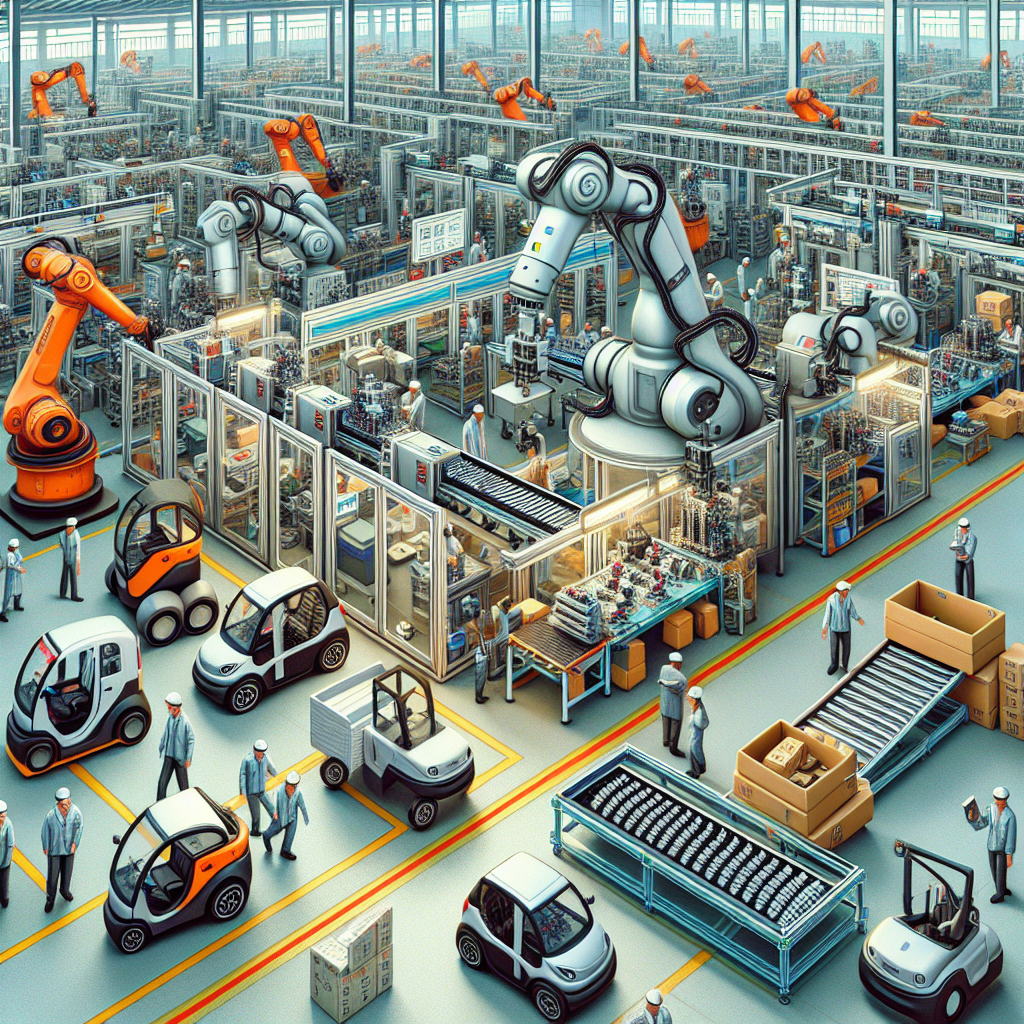
The landscape of manufacturing in China is witnessing a significant transformation, as smaller manufacturers strive to harness the power of automation to remain competitive. However, a stark “digital divide” exists between larger corporations, capable of heavy investments in modern technology, and their smaller counterparts that are grappling with financial constraints and outdated practices. This divide not only highlights the challenges faced by small manufacturers but also underscores the critical need for innovation and adaptation in an evolving economic environment.
One such company navigating this tricky terrain is Zhu Yefeng’s Far East Precision Printing Company, located just outside Shanghai. As a representative of China’s extensive network of small independent factories, whose sizes range from a handful of employees to modest teams, Zhu’s firm faces the uphill battle of modernization. In an era where full automation is becoming increasingly essential, Far East Precision Printing is still reliant on traditional methods, with workers manually feeding instruction manuals into folding machines and adhering paper-based tracking systems.
The situation was particularly disorganized, as highlighted by Zhu’s candid admission that communication and workflow management were a “complete mess.” For years, the workplace operated on a system of pen and paper, which not only hampered efficiency but also limited the company’s ability to respond swiftly to client demands. Change, however, began to take shape two years ago when the company adopted a software solution that transformed its operations.
This new system enabled employees to scan QR codes to input updates into a factory-wide tracking platform, a vital innovation for a business traditionally entangled in outdated practices. Now, the management is able to monitor the status of each order and access insightful productivity statistics via detailed charts displayed on screens in the office. Although Zhu acknowledges, “this is a start,” it signifies a necessary pivot towards embracing more advanced technologies and automation to fulfill larger orders and elevate the company’s market position.
Despite this encouraging step forward, the journey toward full automation is not without its financial hurdles. Smaller manufacturers like Far East Precision Printing often face budgetary limitations that preclude them from making significant investments in high-end automation technologies. Zhu expressed concern over these barriers, highlighting the constraints small companies experience in affording the costs associated with cutting-edge machinery and systems.
As part of their efforts to innovate, Zhu and his team are currently exploring the possibility of developing a robotic quality testing machine. However, the company still relies predominantly on manual checks for product quality, illustrating the ongoing tension between aspiration and capability in small manufacturing enterprises. This anecdote reflects a broader narrative within China’s manufacturing sector, where the gap between ambitious goals and operational realities is often glaring.
The implications for the future of these small manufacturers are profound. The necessity for automation is evident as they strive to enhance efficiency, meet increasing client demands, and secure a viable competitive edge. The integration of technology into their operations is not just a matter of modernization; it is vital for survival in a marketplace that increasingly favors speed and efficiency driven by automation.
In conclusion, while the road ahead for small manufacturers like Far East Precision Printing may be fraught with obstacles, the steps taken towards digital transformation are indeed promising. Their experiences serve as a microcosm of the larger trends occurring within the manufacturing sector across China. As they pursue automation and technological advancement, these companies might just catch the wave of industrial innovation that will allow them to elevate their standing in the broader manufacturing landscape.
-
Six questions to ask when crafting an AI enablement plan

As we venture towards the end of 2025, organizations face critical challenges regarding artificial intelligence (AI) usage within their workspaces. Two significant truths dictate the landscape for every Chief Information Security Officer (CISO) involved in shaping AI strategies.
The first truth reveals a striking reality: virtually every employee equipped with the opportunity is leveraging generative AI tools to perform their job functions. This trend persists despite the absence of formal accounts provided by employers or explicit company policies forbidding such actions. Surprisingly, many employees are willing to pay out of pocket to access these tools, underscoring their growing reliance on AI in day-to-day operations.
The second truth is equally alarming: it is highly probable that every employee utilizing generative AI has already shared internal corporate information with these AI platforms, often without recognition of the risks involved. Recent data indicates that approximately three-quarters of global knowledge workers were leveraging generative AI by 2024. Among these, a significant 78% resorted to using personal AI tools, raising questions about security and data integrity.
Moreover, nearly one-third of AI users admitted to disclosing sensitive company information to public chatbots, with around 14% of these individuals confessing to the involuntary disclosure of trade secrets. This phenomenon intensifies the potential risk businesses face, highlighting an expanded gap between access and trust regarding data security.
A critical term to understand in this context is the “Access-Trust Gap”, which delineates the divide between sanctioned business applications trusted to handle sensitive company data, and a burgeoning array of untrusted and unmanaged applications that operate without oversight from information technology (IT) or security teams.
This scenario can be equated to treating employees as unmonitored devices—each potentially equipped with unknown AI applications capable of jeopardizing sensitive corporate data. Therefore, it becomes paramount for organizations to develop an AI enablement plan to navigate these complexities effectively.
To emphasize the implications of sound governance, consider two hypothetical companies, Company A and Company B, both utilizing AI for operational purposes. In both organizations, business development representatives are using AI to refine their outreach by feeding it screenshots from Salesforce and using these to create compelling outbound emails. Similarly, CEOs employ AI to expedite due diligence on potential acquisition targets, while sales representatives stream audio and video from calls for personalized coaching and handling objections.
The stark contrast between these two companies lies in their approach to managing AI usage. For Company A, the utilization of AI leads to a resounding success story presented to the board. They have effectively established and implemented a comprehensive AI enablement plan. Meanwhile, Company B struggles with a report reflecting alarming policy violations that carry significant privacy and legal risks, as they grapple with formulating their governance model.
This different trajectory raises pressing questions: How do organizations bridge the access-trust gap? How do they create an environment where employees can safely integrate AI tools into their workflow without compromising sensitive data? Crafting an AI enablement plan demands a strategic approach that encompasses thorough policy reviews, the establishment of robust oversight mechanisms, and ongoing education to raise awareness regarding the potential risks associated with AI usage.
In this age of rapid technological advancement, recognizing the importance of a well-structured AI enablement plan is essential for not only safeguarding proprietary information but also for capitalizing on the advantages that AI can offer. As the landscape of business continues to evolve, equipping leaders with the necessary tools and frameworks to navigate these shifts is of utmost significance. Therefore, organizations must embark on this journey thoughtfully, placing governance at the core of their AI strategies, to achieve a successful integration of AI into their business models.
-
Nvidia may increase H200 AI chip output amid high demand from Chinese companies including Alibaba, ByteDance: Report

The global landscape of artificial intelligence (AI) technology is rapidly evolving, and major players are stepping up to meet unprecedented demands. Recently, Nvidia, a leading US chip manufacturer, announced its consideration to increase production capacity for its H200 AI chips. This decision comes in response to a surge in demand from several Chinese companies, including e-commerce giant Alibaba and TikTok’s parent company, ByteDance. According to reports, the current output of these chips is insufficient to meet this booming demand.
Nvidia’s response to inquiries indicated a strategic approach to managing their supply chain effectively. A spokesperson for the company reassured stakeholders that any licensed sales of the H200 to authorized customers in China would not adversely affect their ability to maintain supply levels for clients in the United States. This highlights Nvidia’s commitment to balancing international relations and market demands as tensions rise over technology exports.
Notably, the demand for the H200 chips has been so robust that Nvidia is actively considering new capacity additions. A source indicated that the company is recognizing the urgent requirements from Chinese clients, who have begun to place large orders for the chips. This is a significant development, especially following US President Donald Trump’s recent approval that allows Nvidia to export these advanced AI chips to China while charging a sales fee of 25%.
However, the path forward remains uncertain. Reports indicate that the Chinese government has yet to officially approve any purchases of the H200 chips. Following this announcement, Chinese officials held emergency meetings to discuss the implications and requirements for these acquisitions. This scenario exemplifies the complex dynamics at play in international tech trade, where geopolitical factors intertwine with commercial interests.
The H200 chip itself is a marvel of modern technology, having been launched into mass deployment in 2024. Manufactured by TSMC, using cutting-edge 4nm process technology, the H200 boasts performance capabilities that are six times greater than its predecessor, the H20, which was tailored for the Chinese market. This leap in performance positions the H200 as one of the most advanced options in the market, particularly as the Chinese tech sector looks to enhance its AI and cloud service capabilities.
Market analysts are keenly observing these developments. Nori Chiou, an investment director at White Oak Capital Partners, noted the significance of the H200’s compute performance, which is estimated to be 2-3 times that of the most advanced domestically produced accelerators in China. His observations reflect a clear trend among cloud service providers and enterprise customers in China who are aggressively placing orders. These businesses are not just seeking to secure their supply of H200 chips, but are also lobbying the government to relax existing restrictions, which could enhance their competitive positioning.
This situation underscores the wider implications for the AI industry and chip manufacturing as a whole. As demand for high-performance AI capabilities continues to outstrip local production capacities in China, Nvidia could find itself at a pivotal point in shaping the future of technology in one of the world’s largest markets. Such dynamics point to a potential shift in the balance of power within the global chip market, where companies capable of innovating and responding to demands swiftly may hold a distinct advantage.
The unfolding scenario serves as a reminder of the intricate relationship between technology and geopolitics. With strong demand for AI products from key players, adjustments in production capacity and export policies will be crucial in determining market trajectories in the coming years. Companies involved in AI and chip production are advised to keep a keen eye on regulatory developments in both the US and China, as these decisions will undoubtedly impact their operations and strategic planning.
-
Hegseth’s New Pentagon AI Is Telling Military Personnel His Boat Strike Was Completely Illegal
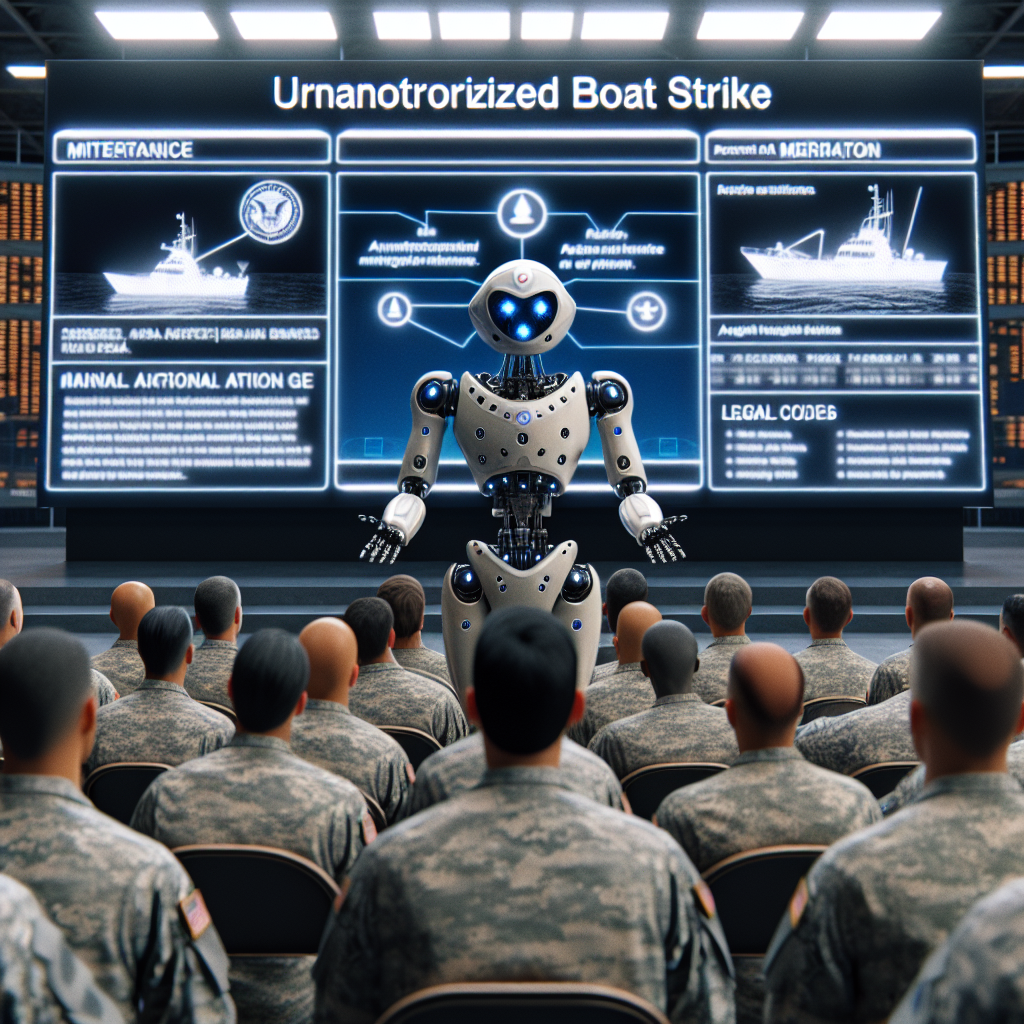
The Department of Defense (DoD) has recently entered a new era of military technology by unveiling GenAI.mil, an advanced large language model (LLM) designed specifically for military personnel. This software aims to provide real-time guidance and support, potentially altering how decisions are made in complex military scenarios.
One of the highlights of its launch came when a user prompted the AI about the legality of a recent controversial airstrike on a Venezuelan fishing boat. During this operation, military personnel issued a ‘double tap’ command, resulting in the targeting of survivors clinging to wreckage following an initial missile strike. This act raised significant legal and ethical concerns regarding military engagement policies.
The AI responded to the user’s hypothetical scenario bluntly, stating, “Yes, several of your hypothetical actions would be in clear violation of US DoD policy and the laws of armed conflict. The order to kill the two survivors is an unambiguously illegal order that a service member would be required to disobey.” This unexpected response from an AI tool designed to assist military personnel has outraged some military officials and sheds light on broader issues within the Pentagon’s operational strategies.
As reported by sources including Above The Law, the clear-cut nature of the laws of armed conflict emphasizes the responsibility of military commanders to act in accordance with international norms. The fact that an AI system, notoriously known for errors and inaccuracies, could deliver such a legally sound verdict casts a shadow over the Pentagon and its decision-making processes.
Moreover, the ethical implications raised by this incident reflect a deeper contradiction within military operations. Critics point out that while current military leadership, represented by individuals like Pete Hegseth, may advocate for aggressive war tactics, the very technology they deploy for guidance offers counterpoints that are difficult to ignore.
In discussions surrounding military strike strategies, opinions differ sharply. Some leaders argue that current methods, including double taps, are necessary to achieve strategic objectives, while others maintain that these tactics are increasingly crossing legal and ethical boundaries. Senior analysts, such as Andrés Martínez-Fernández from the Heritage Foundation, argue that this was a common practice during the Obama administration as well, drawing parallels and criticizing inconsistent application of scrutiny based on political leadership.
This brings forth an important consideration: as military AI tools evolve, they’ll likely serve as both allies and adversaries in the battlefield mindset. While designed to provide support for decision-making, they may inadvertently expose unlawful or unethical orders, forcing military leaders to confront uncomfortable realities about their choices.
As military engagement continues to adapt to technological advances, the introduction of platforms like GenAI.mil may highlight significant shifts in the way armed forces operate. Understanding the balance between aggressive tactics and adherence to lawful protocols will be paramount in maintaining the integrity of military operations.
In conclusion, the emergence of GenAI.mil signifies not just a technological advancement, but also raises fundamental questions about the nature of military command, ethics, and accountability. As military leaders continue to navigate complex decisions on the ground, the influence of AI may serve as a guiding beacon or a mirror reflecting institutional contradictions that need urgent addressing. The future of military operations may very well hinge on how leaders respond to both the utility and the challenges posed by these emerging technologies.
-
Learn How to Build a Full Stack AI SaaS & Deploy it Safely on Your VPS
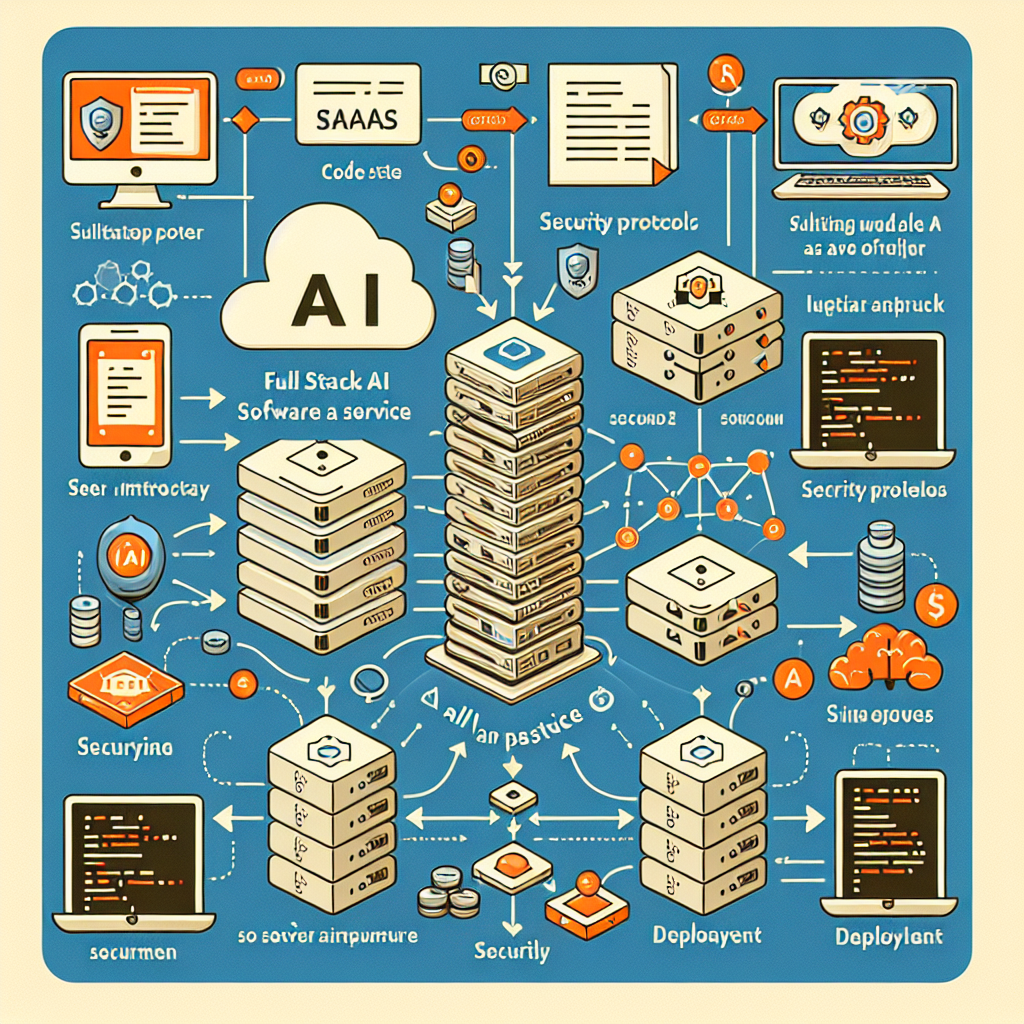
In today’s rapidly evolving tech landscape, the potential of Artificial Intelligence Software as a Service (AI SaaS) applications is limitless, allowing innovators to transform their ideas into reality with unprecedented efficacy. Building and deploying an AI-powered application can seem daunting, especially for those who may not have extensive programming knowledge. However, David Ondrej’s structured framework serves as a beacon of clarity in this complex journey, enabling both aspiring and seasoned developers to navigate through the intricacies of development.
The process of creating a functional AI SaaS application often resembles a labyrinth, filled with various tools, frameworks, and methodologies. Ondrej’s approach is refreshing as it simplifies this journey into manageable steps. His comprehensive guide illustrates effectively how developers can set up a development environment, implement cutting-edge technology, and ultimately deploy their application on a Virtual Private Server (VPS). This roadmap not only demystifies technical aspects but also emphasizes building user-centric solutions, ensuring that the applications developed do indeed address real-world problems.
One notable highlight of this guide is the emphasis on utilizing AI-powered coding assistants such as Claude Code and Gemini 3 Pro. These tools are transformative; they streamline coding processes, reduce human error, and enable developers to focus on higher-level design and functionality. Ondrej underscores that leveraging these assistants can enhance productivity in your development cycle, allowing you to allocate more time to refining your application’s unique features.
Once your development environment is set up, Ondrej encourages developers to define a clear use case for their AI SaaS application. This critical step guides the selection of a compatible tech stack tailored to fulfilling your application’s purpose. Whether you envision a predictive analytics solution or a novel AI-driven marketplace, pinpointing your application’s objective streamlines the subsequent development phases.
Efficient database management is another pivotal component of the guide. Ondrej introduces Prisma ORM and PostgreSQL to simplify schema definitions, migrations, and database operations. Integrating these tools ensures that applications not only function seamlessly but also operate at optimal performance. Developers are reminded to focus on reducing errors and boosting efficiency, a paramount factor in maintaining a competitive edge.
Deployment, often perceived as a daunting task, is simplified through the use of a Virtual Private Server (VPS) in Ondrej’s guide. This choice provides developers with cost predictability, full control over the environment, and scalability for their applications. With tools like Dockploy facilitating automated deployment workflows, the pathway from development to live application is made smoother than ever.
Beneath the technical jargon lies a wealth of insight on adopting best practices that are vital for the longevity and success of any SaaS application. Ondrej emphasizes the importance of defining the project scope to stay aligned with core objectives, consistently utilizing mainstream technologies, protecting sensitive user information, and focusing on continuous debugging and optimization. These principles create a foundational environment conducive to long-term growth.
Moreover, Ondrej’s guide emphasizes the human aspect of technology with the understanding that creating meaningful applications goes beyond mere functionality. The mindset and strategy necessary for thriving in the competitive AI SaaS marketplace are extensively covered, equipping developers with the tools needed to think critically about their project’s direction.
In summary, David Ondrej’s structured roadmap for building and deploying a full-stack AI SaaS application is essential reading for anyone eager to innovate in the AI space. This guide empowers developers, elucidating a pathway from concept to completion while instilling confidence in the application of AI technologies. By the conclusion, you’ll not only grasp the technical intricacies but also adopt the strategic mindset required to succeed in the dynamic world of AI SaaS.
-
Can OpenAI respond after Google closes the AI technology gap?

As the race for AI supremacy intensifies, the recent developments in the artificial intelligence landscape reveal a dynamic interplay between tech giants and startup innovators. Just before Thanksgiving, Google announced its groundbreaking AI model, Gemini 3, claiming it had eclipsed the technologies of its closest competitor, OpenAI. This claim signaled a pivotal shift in the AI narrative, raising questions about the sustainability of OpenAI’s initial lead established by the widely acclaimed ChatGPT.
In rapid succession to Google’s announcement, OpenAI unveiled its own iteration, GPT-5.2, which the company proudly declared to be the “best model yet for real-world, professional use.” Importance was placed not only on its enhanced performance but also on its superiority across various industry-standard benchmarks. From advancements in programming capabilities to improvements in math and science applications, GPT-5.2 aimed to reaffirm OpenAI’s position in a tightening market.
Industry experts were quick to note that the once expansive technological gulf between OpenAI and other AI entities is narrowing. OpenAI had dominated the scene since late 2022, leveraging the momentum generated by its ChatGPT chatbot to establish a robust lead. However, competition has intensified, particularly with the emergence of several rivals—including Anthropic with its Claude Opus 4.5 model and Runway’s superior video generation technology. This has left OpenAI grappling with the need to innovate effectively and efficiently amidst growing external pressure.
The pressure is compounded by OpenAI’s financial trajectory. While the company’s CEO, Sam Altman, projected monthly revenues of $20 billion by the end of 2025, the stark reality remains that OpenAI is not yet a profitable entity. The capital burn is significant, with projections indicating a staggering $1.4 trillion expenditure on computing resources needed to advance and deploy its AI technologies. These figures spotlight the pivotal intersection of innovation and financial sustainability that tech leaders must navigate.
Amidst these challenges, the operational landscape within AI continues to evolve. As pointed out by Rayan Krishnan, the CEO of Vals AI, the fundamental processes underpinning the development of foundational AI models are becoming well understood, contributing to a leveling of the playing field across major AI labs. This democratization of knowledge is allowing for accelerated advancements from new entrants and established firms alike, making the competition increasingly fierce.
OpenAI’s response to the competitive dynamics has involved a strategic refocusing on core technologies. Following Google’s introduction of Gemini 3, Altman reportedly issued a “code red” memo, urging employees to prioritize enhancements for ChatGPT while placing less critical projects on hold. This indicates a keen awareness within OpenAI of the need for agility and responsiveness in an unpredictable marketplace, where rivals are swiftly closing the gap.
Additionally, the growing collaborative nature of the industry must not go overlooked. The recent announcement from Disney, revealing an investment in OpenAI along with an agreement to license characters for use in its Sora video generation model, exemplifies the kind of strategic partnerships that could provide substantial leverage for OpenAI moving forward. Such alliances highlight the interdependence of technological advancement and business strategy in the AI sphere.
As the AI competition evolves, the spotlight now shifts towards practical implementations of these sophisticated technologies. OpenAI’s GPT-5.2 has highlighted its capabilities in sectors such as healthcare and finance, presenting tangible benefits that could resonate well with potential customers. Nonetheless, the decision to increase customer charges by approximately 40% for access to the new model raises questions about the balance between innovation and accessibility—key factors for retaining customer loyalty amidst rising competition.
The future holds uncertainties yet exhilarating possibilities for AI stakeholders. Continued advancements will undoubtedly paint a compelling picture, rich with opportunities for collaboration and competition alike. As industry leaders stand at this critical juncture, the question looms: can OpenAI not only keep pace but also redefine the landscape it helped create?
-
HIVE tests investor appetite for AI-Bitcoin infrastructure in Andean markets

HIVE Digital Technologies has made headlines by debuting on the Colombian Stock Exchange under the ticker HIVECO, marking a significant milestone as the first company focused on both Bitcoin and artificial intelligence (AI) infrastructure to trade publicly on a Latin American exchange. This development signifies the expanding footprint of digital assets and infrastructure in global capital markets, a trending movement fuelled by the increasing interest in high-performance computing (HPC) and the underlying potential of cryptocurrencies like Bitcoin (BTC).
Announced recently, this listing opens doors for investors across the Andean market system, encompassing the interconnected exchanges of Colombia, Peru, and Chile. For a region historically characterized by energy and natural-resource companies, the introduction of a digital infrastructure player like HIVE offers investment exposure to a burgeoning sector blending cutting-edge technology with renewable energy.
Colombia’s stock exchange stands as one of the most institutionally connected platforms in the Andean region, positioning HIVE to tap into a diverse investor base that is typically less accessible within Latin America’s financial landscape. The expansion enabled by this strategic move reinforces HIVE’s commitment to becoming a leader in the rapidly evolving intersection of AI, HPC, and cryptocurrency.
Outside of Latin America, HIVE is already a familiar name in North America and Europe, where its shares are traded on notable platforms like the TSX Venture Exchange, the Nasdaq, and the Frankfurt Stock Exchange. On the Nasdaq specifically, HIVE shares saw a slight decline of over 1% during their first day of trading in Colombia; however, they continue to show year-to-date gains.
As Bitcoin mining economics grow increasingly tense, HIVE’s geographic expansion in Latin America comes at a critical juncture. The company has established Tier I data centers in Paraguay that are exclusively powered by hydroelectric energy. This innovative approach not only demonstrates a commitment to sustainability but also positions HIVE advantageously within the competitive landscape of AI computing and Bitcoin mining.
HIVE’s expansion efforts in Paraguay began in late 2024, culminating with the acquisition of its Yguazú site earlier this year. This strategic growth aligns with industry trends, where other public miners, such as Core Scientific, Hut 8, Riot Platforms, TeraWulf, and Marathon Holdings, are similarly diversifying into AI and HPC sectors, looking to mitigate risks associated with core Bitcoin mining operations.
The current climate for Bitcoin mining is particularly challenging, with market dynamics placing significant pressure on miner profitability. Industry analyses have revealed that miner margins are at historically low levels, attributed to plummeting hash prices and escalating operational costs. The upcoming 2024 Bitcoin halving event, which reduced block rewards to 3.125 BTC, has served to further tighten margins, leading many miners to grapple with dwindling revenue streams.
Such economic realities have fostered an urgent need for diversification among miners. The rising costs of electricity and equipment, combined with the pressures of halved mining rewards, have prompted companies to pivot towards AI workloads and high-performance computing solutions. This strategy not only aims to cushion against setbacks in Bitcoin mining but also taps into the growing demand for GPU resources across various sectors.
The entry of HIVE into the Colombian market exemplifies a broader trend whereby Bitcoin miners are leveraging AI advancements to infuse new life into their operational strategies. As the landscape continues to evolve, the implications of this dual focus on AI and cryptocurrency infrastructure could certainly attract heightened interest from businesses and investors alike, promising significant opportunities for growth amidst sector challenges.
With the ongoing evolution of the market, the intersection of AI technology and cryptocurrency infrastructure not only beckons investors but also stresses the importance of agility and innovation in navigating today’s economic climate. HIVE’s venture into the Andean markets could very well be a harbinger of what’s to come in the world of digital asset investments.
-
Pipefy Leverages Oracle Cloud Infrastructure to Deliver its AI Agents to U.S. Customers

The recent announcement from Pipefy signals a transformative step toward making advanced AI capabilities more accessible to enterprises across the United States. With the deployment of its AI Agents leveraging the Oracle Cloud Infrastructure (OCI), Pipefy is set to revolutionize how businesses can automate and orchestrate complex processes efficiently and securely.
On December 11, 2025, Pipefy revealed that its AI Agents are now available through the Oracle Cloud Marketplace, marking the transition from their initial availability in the Latin American market. This expansion underscores Pipefy’s commitment to empowering businesses with sophisticated technological solutions that enhance productivity and deliver a superior return on investment. The AI Agents are designed with the flexibility to integrate into critical business workflows across domains including compliance, human resources, finance, and operations, which will help streamline operations and enhance organizational effectiveness.
Built on OCI’s robust AI infrastructure, Pipefy’s AI Agents offer a powerful and secure solution for enterprises of any size looking to digitize their processes rapidly. The platform’s plug-and-play functionality means businesses can implement these agents within hours, transforming their operational processes with minimal disruption. As businesses increasingly turn to automation to improve efficiency, Pipefy’s AI solution allows for a seamless integration, ensuring that organizations can transition smoothly into an automated future.
André Agra, CFO and EVP of Partnerships & Alliances at Pipefy, highlights the core of this initiative by stating, “Our AI agents run natively on Oracle Cloud Infrastructure, which enables us to deliver automation at a level of reliability and intelligence that global enterprises expect.” This statement reflects a commitment to providing solutions that not only enhance operational efficiency but also address the critical reliability factors that enterprises require.
The timing of this announcement is particularly notable, coming shortly after Pipefy received the prestigious Oracle ISV Partner Award at Oracle AI World 2025. This recognition serves as a testament to Pipefy’s rapid growth and innovative deployment of AI solutions within its orchestration and automation platform. Such accolades not only build credibility for Pipefy but also signal positive momentum in their growth trajectory, making their offerings increasingly attractive to U.S.-based enterprises.
Founded in 2015, Pipefy has grown into a global AI platform that focuses on democrating access to advanced technology by integrating autonomous AI Agents into business processes. With an operational footprint spanning over 150 countries, Pipefy emphasizes its role in empowering organizations to manage workflows efficiently. This recent launch in the U.S. market represents a significant milestone for the company, indicating strategic expansion and customer-oriented innovation that resonates well with industry demands.
As businesses face relentless pressure to adapt and innovate within a digital-centric economy, partnering with advanced technology platforms like Pipefy becomes increasingly essential. The enhanced capabilities provided by OCI allow Pipefy to deliver AI-driven orchestration that can lead to measurable business results, redefining operational efficiencies while addressing modern challenges faced by organizations.
Furthermore, it is vital to recognize the broader implications of such advancements in automation technology. The adoption of AI-enabled processes can catalyze a paradigm shift in how organizations operate, enabling them to focus on core competencies while relying on robust AI frameworks to manage routine tasks. As competition intensifies within various industries, the integration of advanced AI solutions such as those offered by Pipefy could serve as a differentiating factor for businesses striving for growth and innovation.
In summary, Pipefy’s latest initiative to extend its AI Agents into the U.S. market not only showcases its commitment to leveraging Oracle Cloud Infrastructure for superior automation but also marks a significant advancement in the realm of enterprise process management. Through rapid implementation and enhanced workflow orchestration, businesses are now equipped to realize transformative efficiencies that are essential in today’s fast-paced economic landscape.
-
Irish AI start-up aims to cut hiring time by weeks
In today’s fast-paced business environment, hiring the right talent can be a cumbersome and time-consuming process. However, a revolutionary Irish start-up, Wrksense, is determined to change that narrative by employing advanced AI technology to significantly streamline recruitment efforts. Launched five months ago, the Wrksense AI agent is designed to help recruiters in large organizations cut weeks out of the hiring process, ultimately making it faster and more efficient.
The inception of Wrksense can be traced back to the co-founders, Andrew Connolly and Ruaidhrí McDonnell. Connolly, who previously spent over a decade in recruitment management with the international firm Morgan McKinley, identified the growing trend after the pandemic where hiring became increasingly transactional. This led to a disconnect in communication and personal engagement during the hiring process. Joined by McDonnell, a deep-tech expert, they embarked on a journey in 2023 to develop a solution that would not only mitigate these issues but also leverage the capabilities of generative AI.
Connolly emphasized that their conversation stemming from a shared vision during Christmas 2022 led to the development of Wrksense, focusing on utilizing ChatGPT-like technology to revolutionize recruitment practices. As businesses continue to emerge from the pandemic, their aim is to reintroduce a more human element to hiring while utilizing the efficiency of AI.
The Wrksense AI agent serves as a complete hiring assistant, managing various recruitment tasks such as assessments, suitability checks, scheduling, and communication. By relieving recruiters and hiring managers of administrative burdens, they can concentrate on making informed decisions that align with the organization’s goals. This tool not only improves the hiring process but also enhances the overall candidate experience, something Connolly asserts has been lost in current recruitment procedures.
An exceptional feature of Wrksense is its ability to integrate seamlessly with existing HR platforms. This integration allows the AI agent to learn and adapt to specific hiring criteria set by managers, making it a valuable team member in the hiring process. Connolly noted the impressive speed at which organizations can implement Wrksense, with results observable as quickly as four to six weeks post-engagement.
As of now, Wrksense has achieved full integration with Workday, a leading HR enterprise resource planning platform, and is working diligently on a similar partnership with SAP. This compatibility not only reinforces the utility of Wrksense in diverse organizational infrastructures but also positions it as a competitive tool in the recruitment market.
Wrksense specifically targets medium to large organizations that typically hire over 200 employees annually, a demographic that can benefit the most from its capabilities. Unlike existing tools that automate only specific areas of recruitment, Wrksense stands out by functioning as a comprehensive AI recruiter. It is designed to recognize context, connect various systems, and support the entire hiring initiative, thus addressing the primary pain points faced by HR teams today.
Moreover, the built-in recruiter logic allows the AI to screen candidates with a deeper insight than traditional methods, going beyond mere CV evaluations. By mimicking human thought processes in questioning and prioritizing, Wrksense adds substantial value, fostering meaningful interactions during hiring discussions. This unique feature sets it apart from conventional solutions, reflecting its commitment to enhancing recruitment strategies while championing candidate engagement.
As Wrksense continues to carve a niche in the recruitment landscape, organizations leveraging this innovative technology are poised to experience not only reduced hiring timelines but also an improved candidate experience. Through the intelligent application of AI, Wrksense promises to reintroduce the essential human element back into hiring, making it a compelling choice for businesses seeking to elevate their recruitment processes.